Commercial Roofing Contractor serves Grand Junction and the wider Western Slope from a staffed office on North Avenue. For more than 20 years we have installed, repaired, and replaced commercial and residential roofs across the Grand Valley, and we handle hail and wind insurance claims from documentation through final restoration.
Grand Junction Office
Phone
Office Hours
Monday to Friday, 8:00 AM to 5:00 PM
Saturday and Sunday: Closed
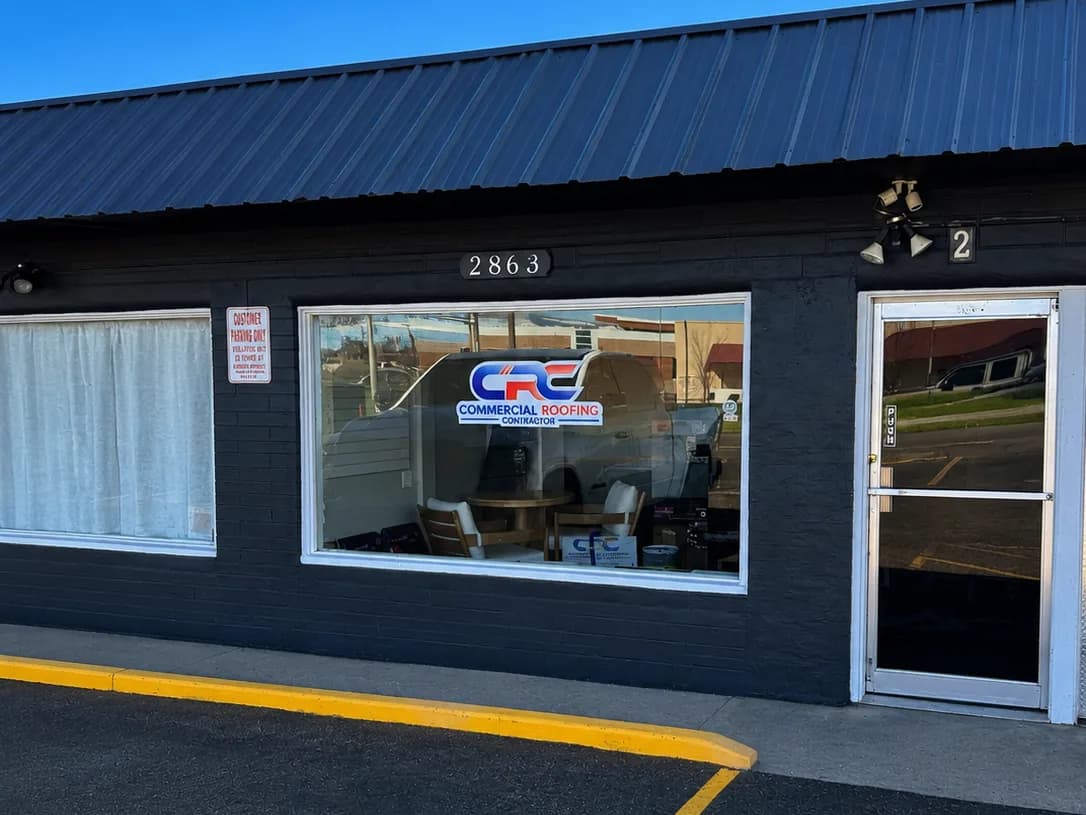
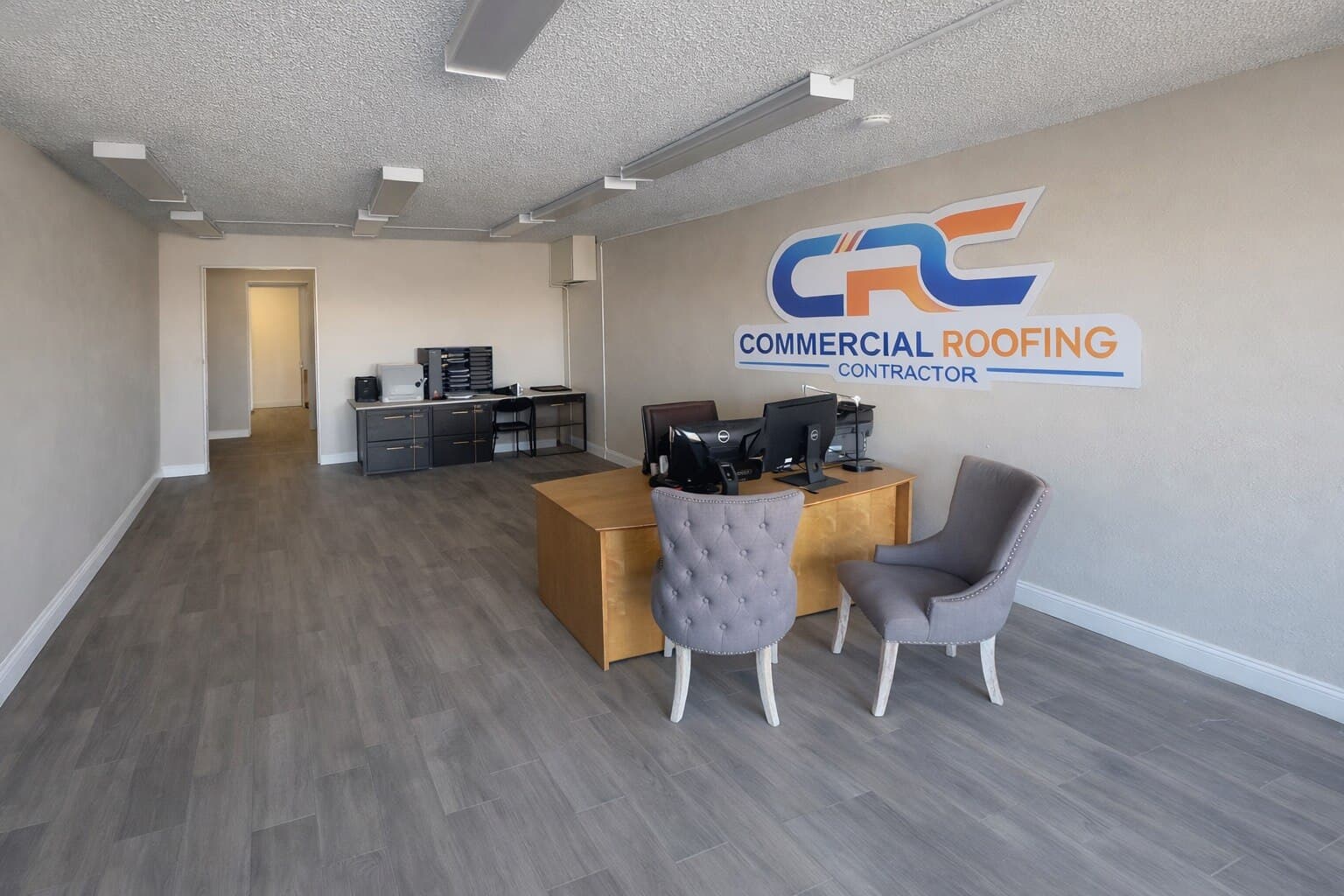
We are not a Front Range company that drives over the divide after a storm. The office on North Avenue is staffed, the crews dispatch from here, and the estimator who inspects your roof is the one who will be on it. On the Western Slope that is worth saying plainly, because the distance from Denver is exactly what lets out-of-area outfits sell a season's work here and be unreachable when a detail fails two winters later.
Areas We Serve From Grand Junction
From our Grand Junction office we provide commercial and residential roofing across Western Slope, including:
Those are the Grand Junction cities with a page of their own. We serve more towns than we have written up, so if you do not see yours, browse every Colorado and Nebraska Panhandle city we cover or call the office and ask.
Roofing Services From Our Grand Junction Office
- Commercial roofing (TPO, EPDM, metal, and coatings).
- Residential roofing (asphalt shingle, metal, and tile).
- Storm and insurance claim support (hail and wind damage documentation and adjuster coordination).
- TPO roofing (heat-welded single-ply membrane for low-slope commercial roofs).
- Commercial roof repair & replacement (targeted repairs through full replacements, in every season, not just after a storm).
- Residential roof repair & replacement (targeted repairs through full replacements, in every season, not just after a storm).
Our Recent Roofing Projects Near Grand Junction
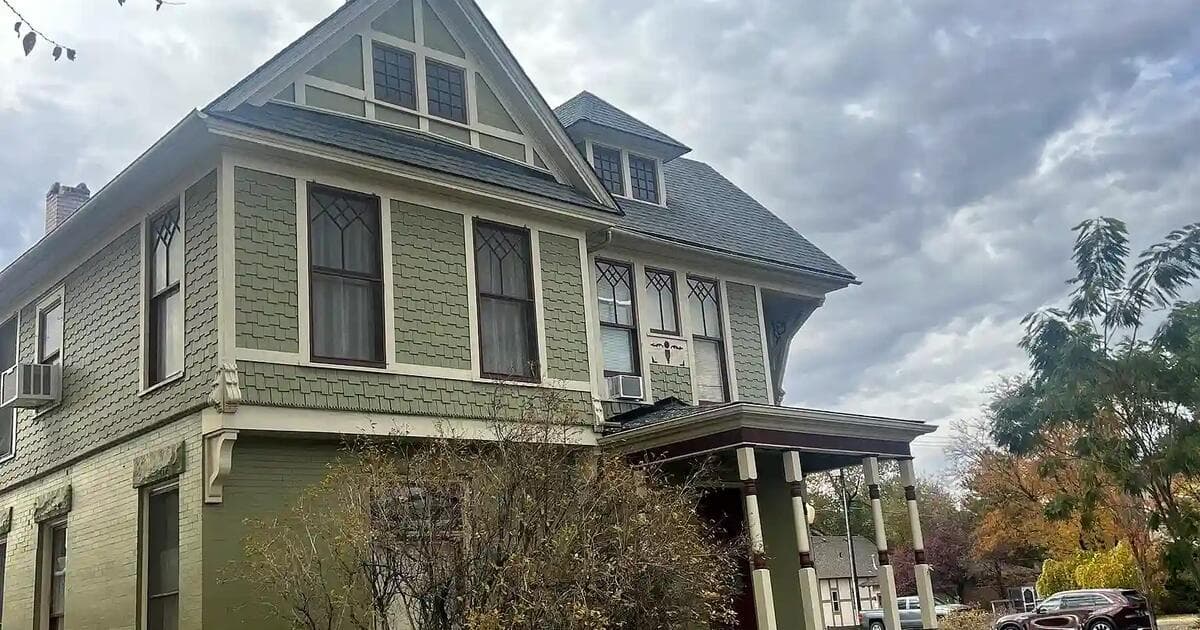
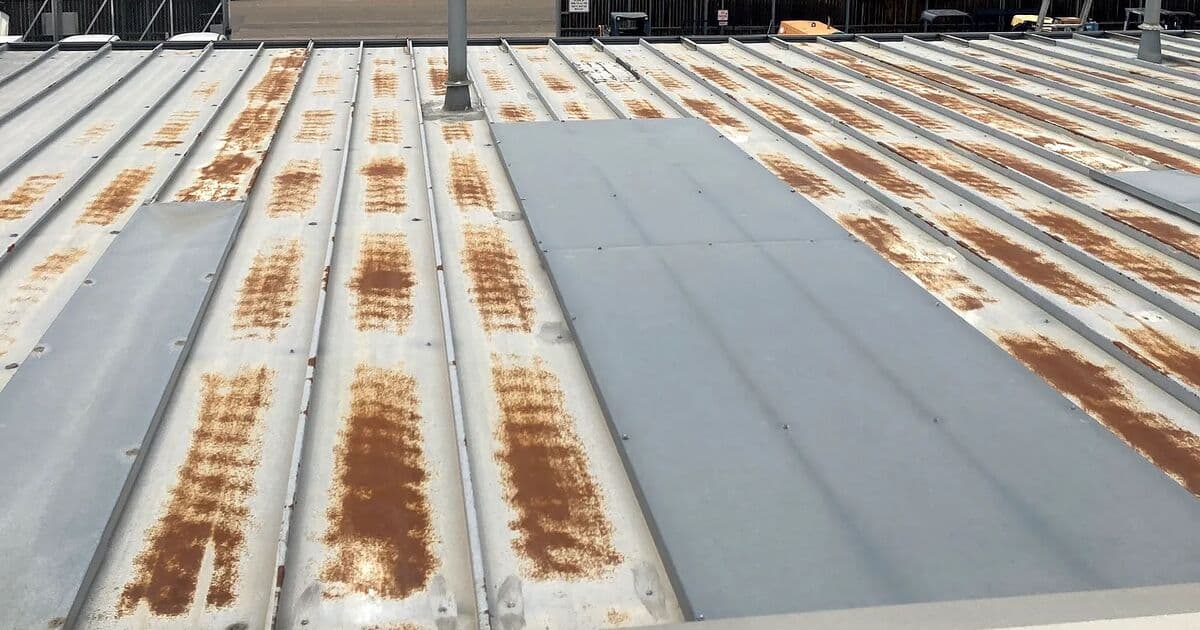
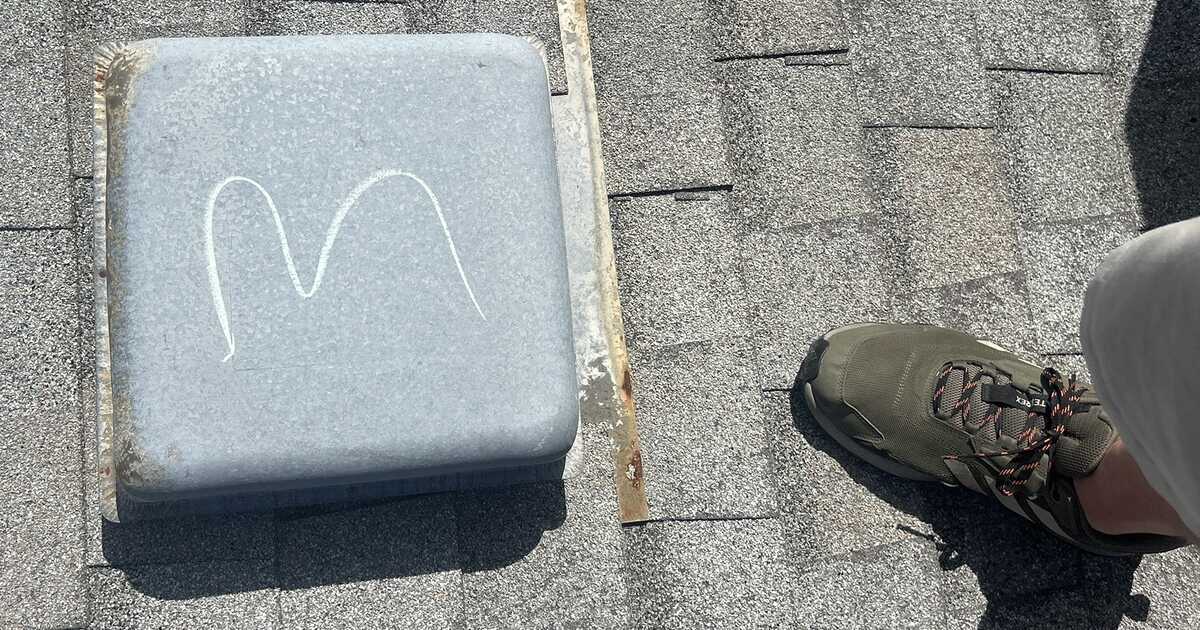
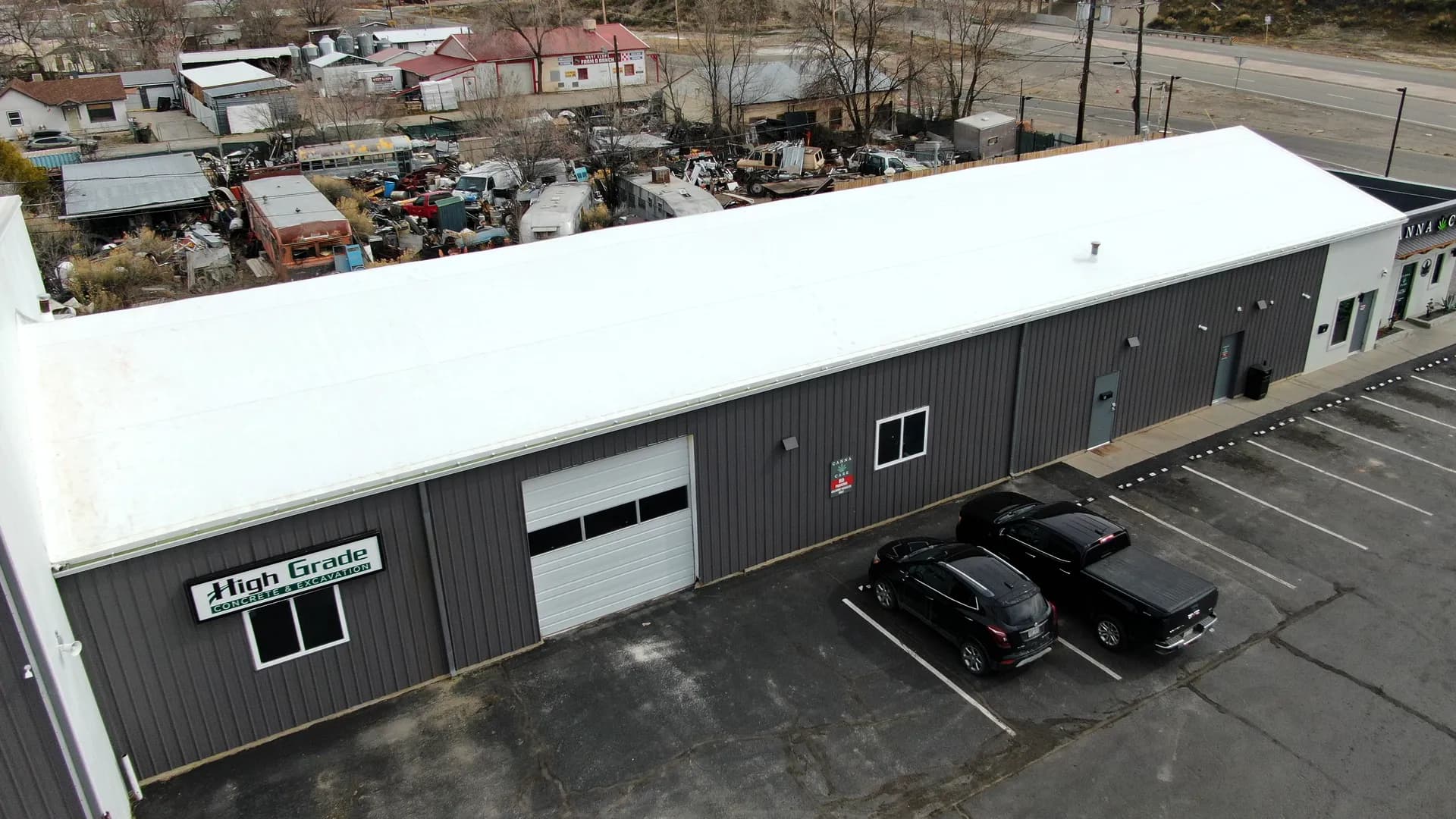
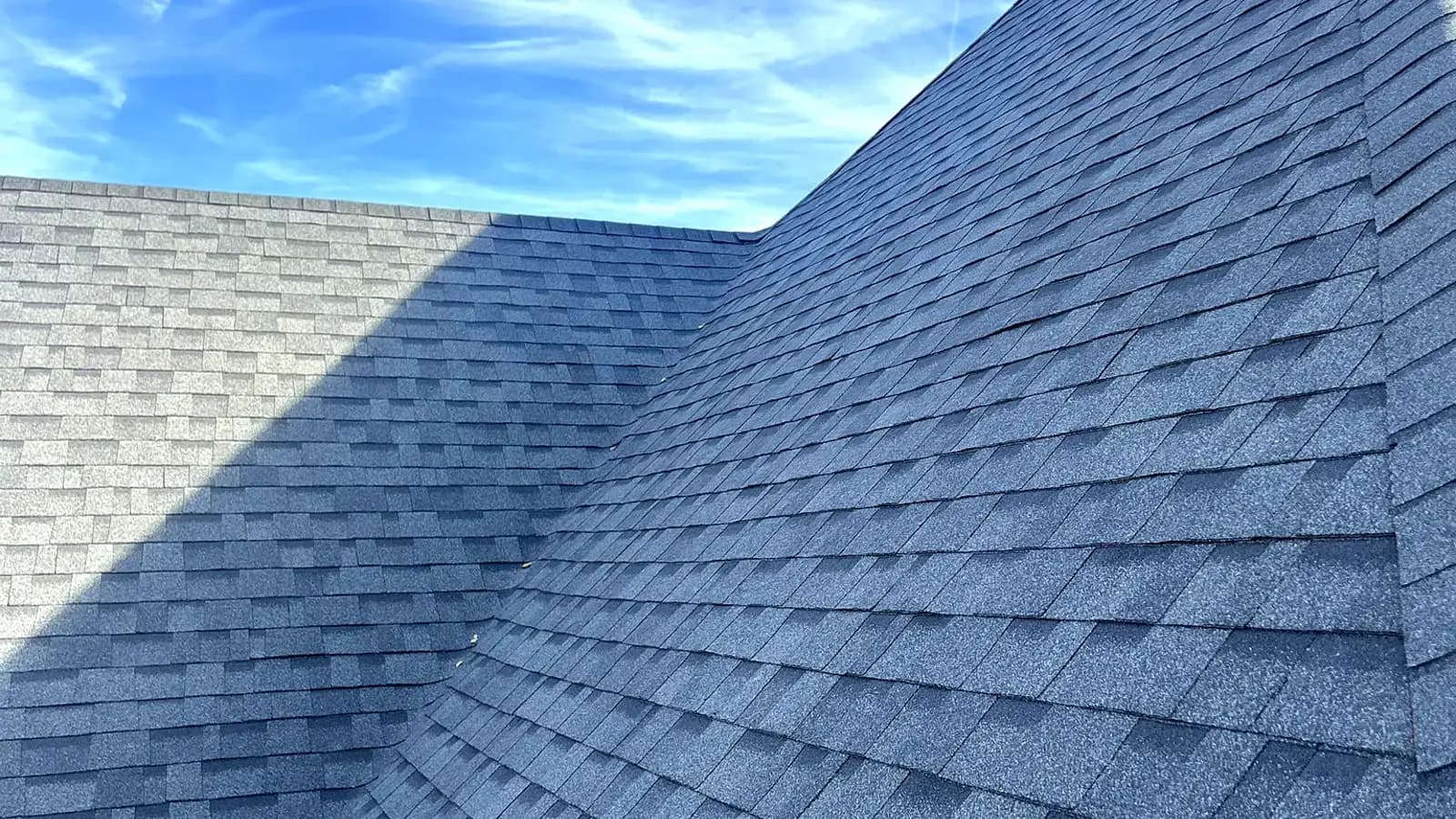
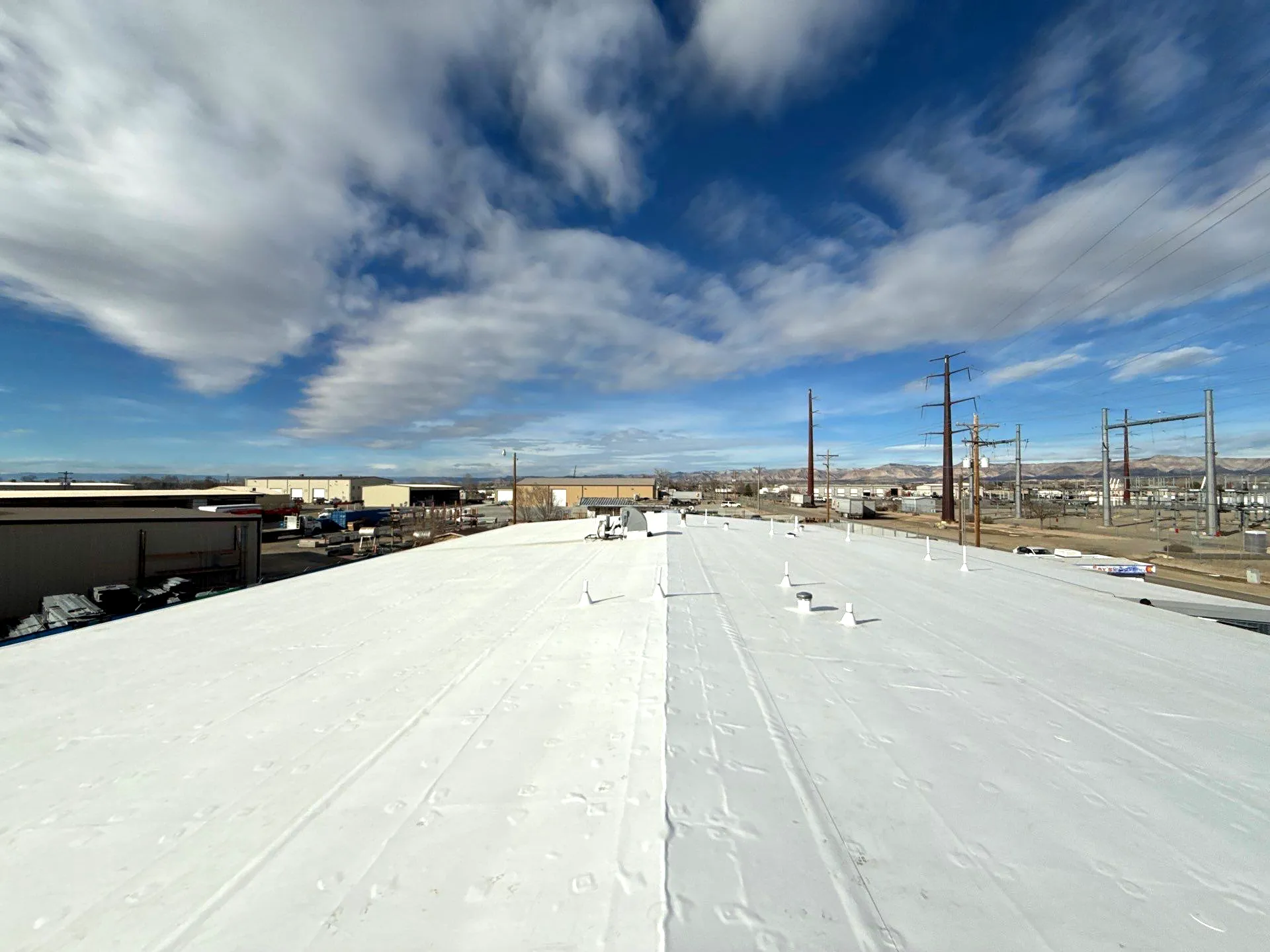
Real completed CRC projects across the Western Slope, with photos, roof systems, and warranties. Every one is a documented job, not a stock photo.
Roofing Built for the Grand Valley Climate
Grand Junction anchors the Grand Valley of Mesa County on Colorado's Western Slope, a high-desert basin at roughly 4,600 feet ringed by the Colorado National Monument, the Book Cliffs, and the Grand Mesa. The intense high-altitude UV, low humidity, and wide day-to-night temperature swings dry out and crack aging membranes, pipe boots, and flashings years before the rest of the roof gives out, and Western Slope hail, while less frequent than the Front Range, is far from harmless. We roof it all, from the downtown and North Avenue commercial corridors to homes from the Redlands to Orchard Mesa, and on commercial reroofs we bring insulation up to current Mesa County energy-code R-values.
Roofing Codes and Permits in Grand Junction
Roofing work in Grand Junction is permitted and inspected by the Mesa County Building Department (970-244-1636). Colorado has no statewide roofing code, so requirements are set jurisdiction by jurisdiction and genuinely differ between neighbouring towns. The details below are taken from the Mesa County Building Department's published requirements.
Worth knowing in Grand Junction: Mesa County permits and inspects roofing for the City of Grand Junction as well as Palisade, De Beque, Collbran, and the unincorporated county, so one code set covers most of the Grand Valley. Fruita is the exception and runs its own building division. A permit is always required when two or more layers are on the roof, when the roofing material changes, and on all commercial projects. Mid-roof inspection is required at 10 to 40 percent complete. Notably, an OSB or plywood overlay on existing solid wood sheathing is NOT required here, and the county warns it adds weight that many older roofs were not framed for. That is the opposite of what Lakewood requires on the Front Range.
Commercial roofing code in Grand Junction
| Requirement | Requirement in Grand Junction |
|---|---|
| Adopted code | 2024 International Building Code |
| Energy code | 2021 International Energy Conservation Code |
| When a damaged roof must be replaced | Over 1 square (100 square feet) of damage on a slope requires that slope to be replaced. Damage of 1 square or less may be repaired where the rest of that slope is in good condition and compatible roofing material is available, and a very large slope may exceed 1 square in total as long as the damage is spread out and no single area exceeds 1 square. Replacement is required regardless of area any time the roof already has two or more layers, where the roof is beyond its life or in poor condition, where the decking has been water-soaked, or where damage under 1 square is deemed non-repairable. |
| Ice barrier | Not required along eaves in areas of the county designated at 30 psf snow loads. This is snow-load dependent rather than a flat exemption, so the answer depends on where the building sits. |
Residential roofing code in Grand Junction
| Requirement | Requirement in Grand Junction |
|---|---|
| Adopted code | 2024 International Residential Code |
| Energy code | 2021 International Energy Conservation Code |
| When a damaged roof must be replaced | Over 1 square (100 square feet) of damage on a slope requires that slope to be replaced. Damage of 1 square or less may be repaired where the rest of that slope is in good condition and compatible roofing material is available, and a very large slope may exceed 1 square in total as long as the damage is spread out and no single area exceeds 1 square. Replacement is required regardless of area any time the roof already has two or more layers, where the roof is beyond its life or in poor condition, where the decking has been water-soaked, or where damage under 1 square is deemed non-repairable. |
| Ice barrier | Not required along eaves in areas of the county designated at 30 psf snow loads. This is snow-load dependent rather than a flat exemption, so the answer depends on where the building sits. |
This is a summary to help you plan, not a compliance determination. The Mesa County Building Department is the authority on what your specific roof requires, and we always confirm current requirements with them before we scope a job. Several Colorado jurisdictions changed their adopted codes during 2026, so we re-verify against each department's own published codes rather than working from memory. Source: Mesa County Community Development, Mesa County Reroof Policy (9.2025), the Mesa County Building Inspection Division administrative policy Roof Repair versus Replacement (9/9/2025), and the Mesa County Adopted Codes and Regulations page (read the source document, read the repair-versus-replacement policy). Last verified August 2026.
Wildfire code: what changes on a reroof
The 2025 Colorado Wildfire Resiliency Code applies inside mapped wildland-urban interface areas. Each jurisdiction declares and maps those areas itself and publishes the map, so whether a specific address falls inside one is checked against the local map. Where it applies, the rule that matters most on a reroof is the 25 percent threshold: where an existing roof is replaced, or 25 percent or more of the roof surface area is replaced, the entire roof covering must be brought up to the new-construction wildfire standard, unless the existing covering already complies.
The new-construction standard means roofs must have a covering or assembly classified Class A when tested to ASTM E108 or UL 790. Where the covering profile leaves a space above the deck, that space must resist flames and embers by noncombustible firestopping, an ASTM D3909 cap sheet over the combustible deck, or a listed Class A assembly. That last requirement catches tile and metal profiles, not just shingles, so it reaches commercial work as well as homes. We check the Grand Junction map before quoting, because it changes the scope rather than just the material.
For the full picture on storm-driven replacement, see our storm damage and insurance claim guidance.
That boundary is worth drawing precisely, because it is not the county line. Fruita runs its own building division and adopts codes by its own ordinance, so none of the requirements above apply automatically inside the Fruita city limits.
Three things in the Mesa County policy catch out crews who learned the trade on the Front Range. First, a permit is always required once two or more layers are on the roof, when the material changes (shingles to metal, for example), and on every commercial project, so a straightforward-looking reroof often still needs one. Second, the mid-roof inspection has to happen between 10 and 40 percent complete, with drip edge, valley flashings, attachment method, and underlayment all visible; miss that window and the roof gets opened back up.
Third, and most consequential: Mesa County does not require an OSB or plywood overlay on existing solid wood sheathing, and its policy explicitly warns that adding one puts weight on a structure that often was not framed for it. Lakewood, on the Front Range, requires exactly that overlay. Two Colorado jurisdictions, directly opposite guidance on the same detail. A crew carrying Front Range habits west over-builds the deck and charges you for it; a crew going the other way fails inspection.
When a Damaged Roof Has to Be Replaced in Mesa County
Mesa County put this in writing in September 2025, and it settles the question most Grand Valley owners actually call about after a storm. Until then the department worked to an unwritten rule, and the volume of enquiries pushed it to publish one. The line it drew is one square, which is 100 square feet. Damage of a square or less on a slope can be repaired, provided the rest of that slope is in good condition and compatible material is available. Cross a square on that slope and the whole slope has to be replaced. On a very large slope the total may exceed a square, as long as the damage is spread out and no single area crosses the threshold on its own.
Four further conditions require replacement no matter how small the damaged area is, and the one that catches people out is layers. Two or more layers on the roof means replacement, not a repair. That is a stronger rule than the permit trigger above, which only says a second layer means you need a permit. Replacement is also required where the roof is beyond its life or in poor condition, where the decking has been water-soaked, and where damage under a square simply is not repairable.
Two practical notes from the same policy, and they point the same direction. Mesa County will not review photographs for code compliance, and it will not get involved once a roof has already been repaired or replaced. Where a roof is genuinely borderline the department may send an inspector out, staff permitting, for an additional inspection fee paid before the visit. So the time to establish what a roof needs is before anyone works on it, which is why we document a Grand Valley roof in full at the inspection rather than after the fact.
The Western Slope Towns We Cover From Grand Junction
The Grand Valley is the core of this office's work, but the Western Slope service area runs well beyond it, and the roofs change as you go. Up the Colorado River corridor, Rifle and Glenwood Springs sit higher and wetter than Grand Junction, so snow load and ice damming drive detailing decisions that barely register in the valley floor. Glenwood in particular has steep-pitch roofs in tight canyon lots where access, not the roof itself, sets the schedule.
South over the Uncompahgre Plateau, Delta and Montrose are agricultural towns with a mix of low-slope commercial on the main corridors and older residential stock. Montrose is worth calling out for a permitting reason: it is its own jurisdiction, which is unusual on this side of the state, and it runs an older code cycle than Mesa County. Roofing inside the Montrose city limits is permitted by the city's own Building Services department, so the Mesa County policy above does not apply there.
What the Grand Valley Climate Does to a Roof
The failure pattern here is different from the Front Range, and it is worth understanding because it changes what to inspect. Hail is the headline risk in Denver. In the Grand Valley the dominant force is ultraviolet exposure combined with an enormous daily temperature swing. A high-desert roof at 4,600 feet can move through a forty-degree range in a single day, every day, for years.
That cycling is what ends most roofs here, and it ends them at the details rather than in the field. Pipe boots crack. Sealant at penetrations shrinks and pulls away. Membrane seams that were sound at installation work loose. The field of the roof frequently still looks serviceable when the details have already failed, which is why a Grand Valley roof can leak with fifteen apparently good years left in it, and why we inspect penetrations and terminations first rather than walking the field looking for obvious damage.
Low humidity compounds it. Asphalt shingles lose their volatile oils faster in dry air at altitude and go brittle early, so a shingle roof that would comfortably reach its warranty term at sea level commonly does not here. On commercial work the same conditions favour systems that tolerate movement: a properly detailed TPO membrane with heat-welded seams handles the cycling better than an adhesive-dependent assembly, and on metal buildings a roof coating often buys another decade without a tear-off.
What Western Slope Customers Say
Verified Google reviews from Western Slope customers.

3 months ago
CRC went above and beyond to help us with a previously denied insurance claim. Thanks to their expertise, the insurance company approved a full TPO roof replacement for two buildings in Denver. Tom, Chris, and their team replaced 25,000 sq. ft. of TPO and ISO in less than two weeks, which was an impressive turnaround for such a large project. Even with our busy warehouse and loading docks, they kept disruption to a minimum. Professional, efficient, and reliable. I highly recommend CRC for any commercial roofing project!

5 months ago
My roof looks great and the whole experience/process was amazing! Couldn’t be happier about the result and the clean up was amazing

a month ago
Commercial Roof Replacement – TPO “Commercial Roofing Contractors replaced the TPO roof on our commercial building in Grand Junction and did an excellent job from start to finish. They explained the different roofing options, kept us updated throughout the project, and worked around our business hours to minimize disruption. The crew was professional, the property was kept clean, and the new roof looks great. I would definitely recommend them to any Grand Junction business needing a commercial roof replacement.”
Frequently Asked Questions
What areas does the Grand Junction office serve?
Our Grand Junction office serves Grand Junction and the Western Slope, including Grand Junction, Fruita, Clifton, Palisade, Loma, Orchard Mesa, Delta, Rifle, Glenwood Springs, Montrose. We handle both commercial and residential roofing year-round.
Is Commercial Roofing Contractor local to the Western Slope?
Yes. We operate a staffed office in Grand Junction and have served the Western Slope for over 20 years. We are an established local roofing contractor, not a storm chaser that disappears after the work.
Do you only show up after a storm?
No. We provide year-round service across the Western Slope, including inspections, repairs, replacements, and insurance claims in every season.
Do you handle hail and storm damage on the Western Slope?
Yes. We respond to hail and storm damage across the Western Slope year-round. Colorado sees damaging storms in different areas and seasons every year, so if you suspect storm damage we provide free inspections to document it and help you start an insurance claim.
Does Mesa County require a full roof replacement after hail damage?
Not always, and since September 2025 the threshold is published rather than a matter of opinion. Mesa County allows a repair where the damage on a slope is one square (100 square feet) or less and the rest of that slope is in good condition with compatible material available. Over one square on a slope, that slope has to be replaced. Replacement is also required any time the roof already carries two or more layers, where the roof is beyond its life or in poor condition, where the decking has been water-soaked, or where damage under one square is not repairable. This is Mesa County's policy and it covers Grand Junction, Palisade, De Beque, Collbran and the unincorporated county. Fruita and Montrose are separate jurisdictions and decide it themselves.
Does the Grand Junction office handle both commercial and residential roofing?
Yes. We install and repair commercial systems (TPO, EPDM, metal, and coatings) and residential systems (asphalt shingle, metal, and tile) across the Western Slope.
Read the roofing questions we answer across every market we serve. Grouped by topic: commercial and residential decisions, cost, insurance claims, storm response, warranties, and financing.