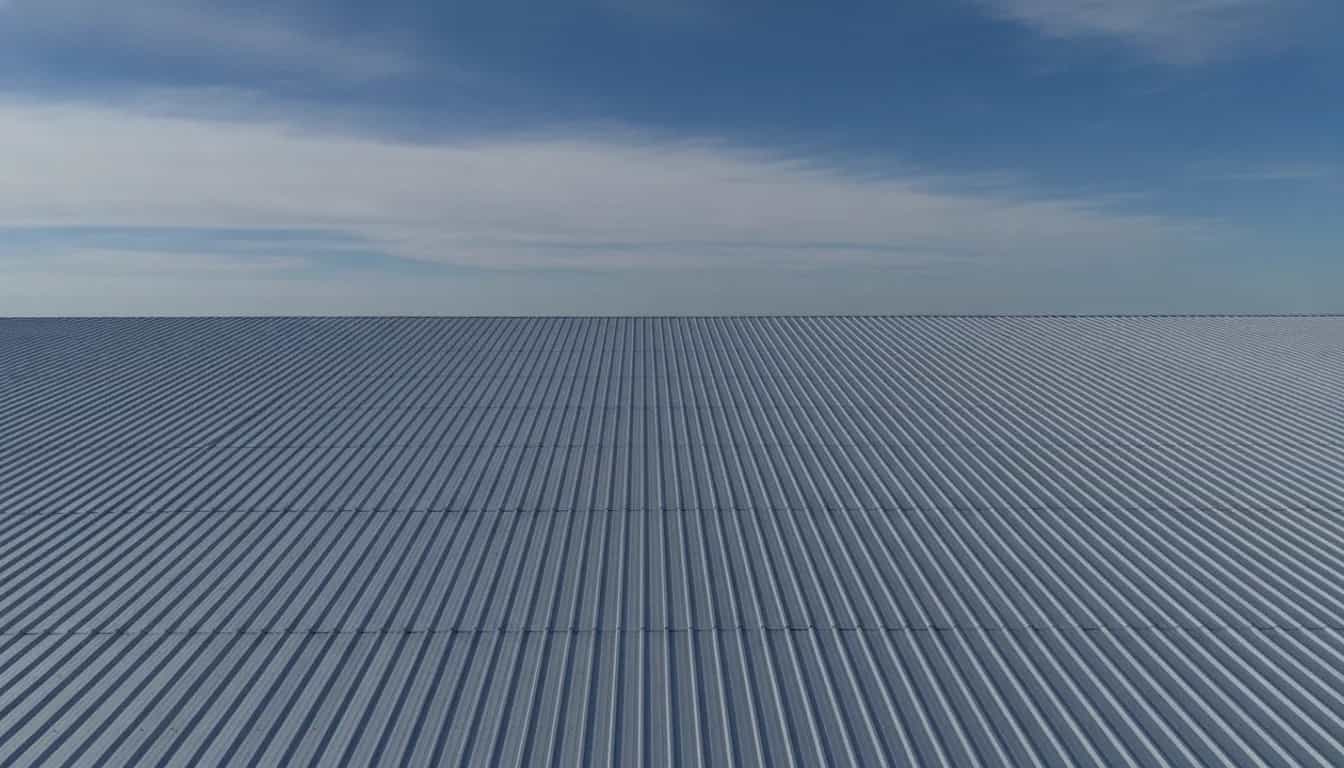
Commercial metal roofing comes in two main profiles: standing seam, with raised interlocking seams and no exposed fasteners, and exposed-fastener (corrugated or R-panel), a simpler, lower-cost system common on older and mid-size commercial buildings. Both dent rather than puncture under hail, and a weathered but structurally sound metal roof, standing seam or exposed-fastener, can often be restored with a coating instead of replaced. We install, repair, and restore both systems from our Denver, Grand Junction, and Scottsbluff offices.
Commercial Roofing Contractor installs, repairs, and restores metal roof systems on office buildings, warehouses, and industrial facilities across Colorado and the Nebraska Panhandle. Our Denver, Grand Junction, and Scottsbluff crews work with both standing seam and exposed-fastener metal panels built for the Front Range, the Western Slope, and the Nebraska Panhandle.
What Standing Seam Metal Roofing Is
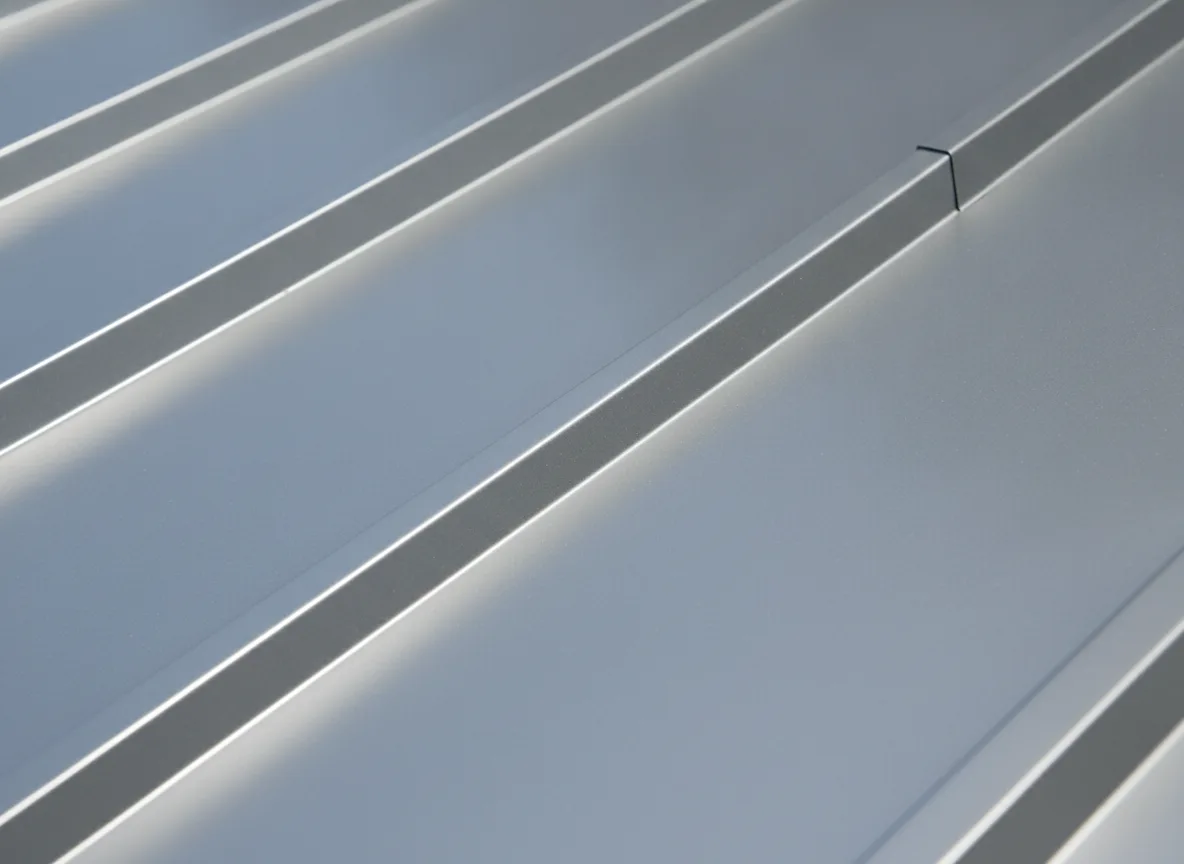
Standing seam is the dominant profile on newer commercial construction. Raised, interlocking vertical seams join adjacent panels without exposed fasteners across the panel field. That hidden-fastener design is what gives standing seam its long service life: the fasteners that eventually loosen or back out on exposed-fastener panels are simply not a factor across most of the roof.
Exposed-Fastener (Corrugated) Metal Roofing
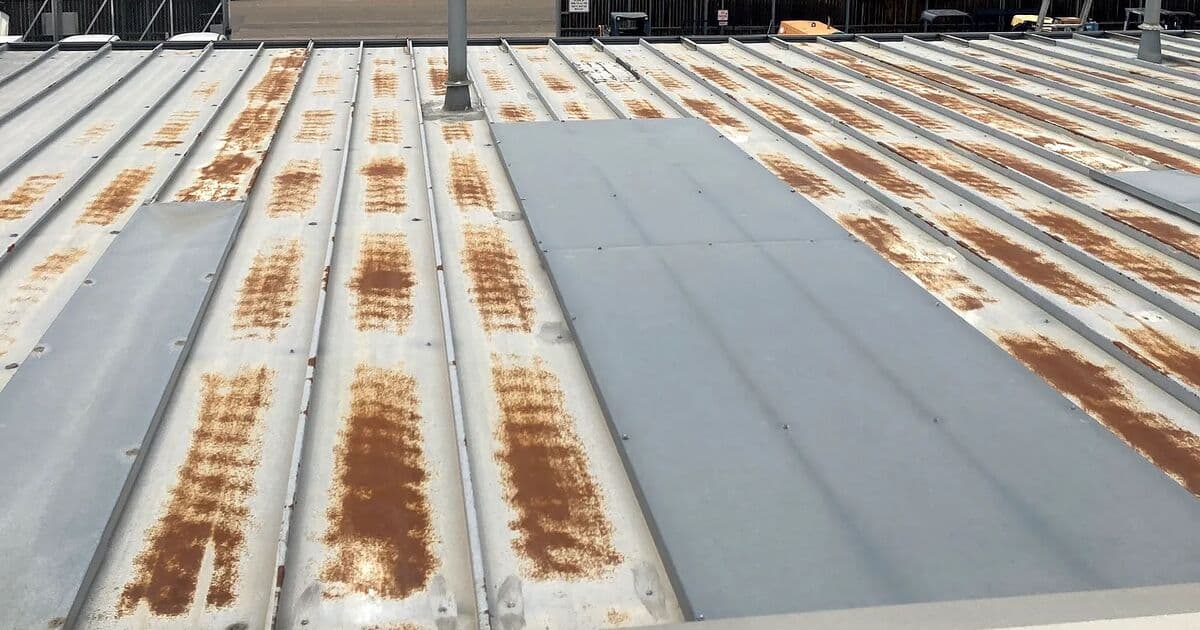
Exposed-fastener metal roofing, sometimes called corrugated or R-panel, is the other common commercial metal profile. Panels are fastened directly through the face with exposed screws, which costs less upfront and installs faster than standing seam, and is common on older warehouses, industrial buildings, and mid-size commercial properties across Colorado and western Nebraska. The tradeoff is maintenance: those exposed fasteners loosen, back out, and corrode over time, and that is where an exposed-fastener roof actually leaks and rusts, at the fastener points and panel seams rather than in the open field.
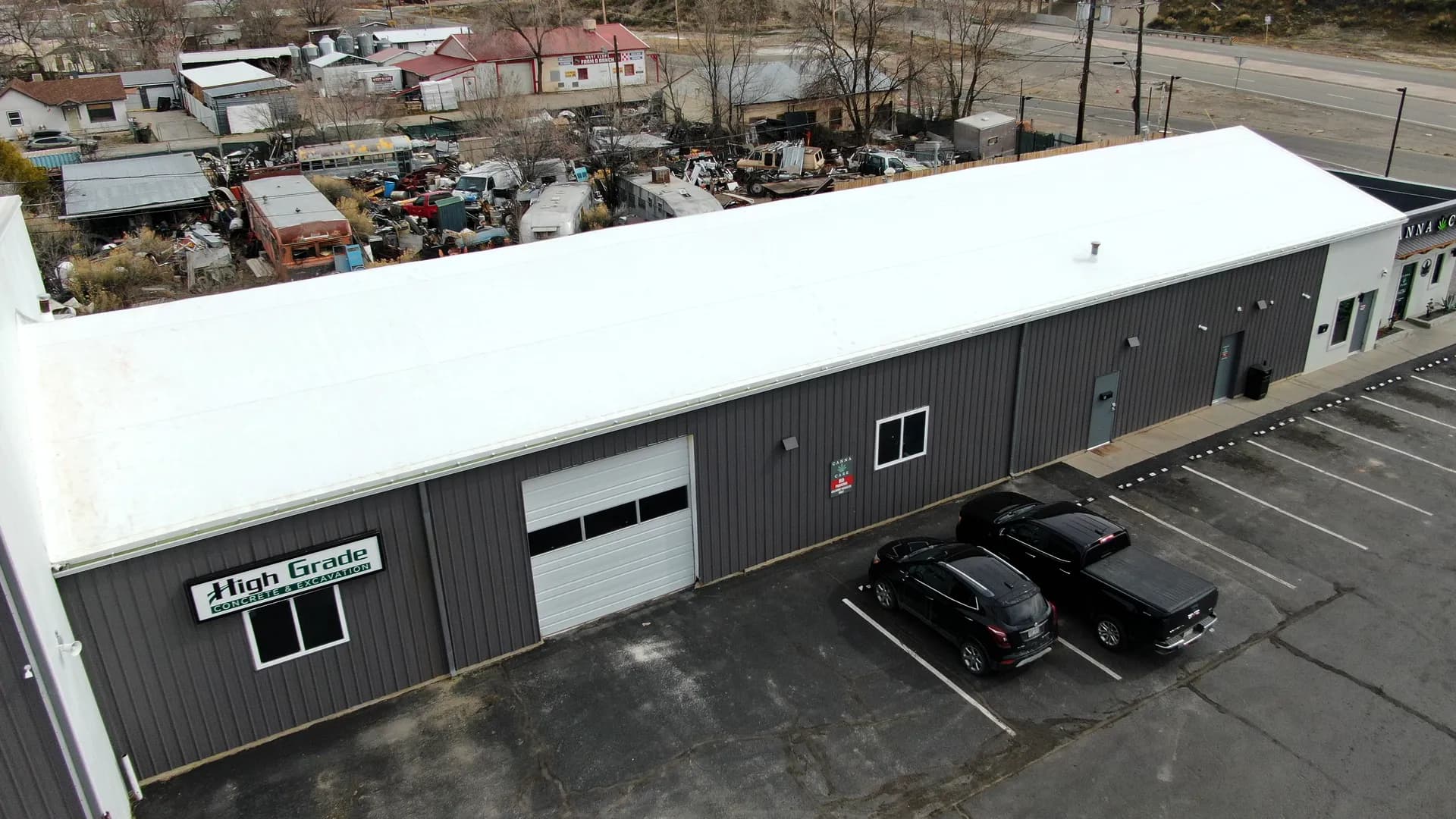
That is also what makes exposed-fastener roofs strong restoration candidates. We recently restored a rusted, exposed-fastener metal roof in Denver with an American WeatherStar coating system: the fasteners were resealed, the seams detailed, and the whole roof coated into one seamless, reflective white surface rather than being torn off. See that Denver restoration project for the full before-and-after.
Gauges and Panel Types We Install
We install standing seam metal roofing commonly specified in 24-gauge or 26-gauge steel, with 24-gauge offering more rigidity and hail resistance for a modest cost premium. Aluminum panels are also available where corrosion resistance is the priority. We confirm the right gauge and metal type for your building and hail exposure during a free inspection.
How Metal Roofing Performs in Colorado Conditions
Hail
Metal roofs handle hail differently than membrane or shingle roofs: they dent rather than puncture in most impacts. That is a functional advantage, but dents on lower-gauge panels can be a cosmetic and insurance consideration. A heavier 24-gauge panel resists denting better than 26-gauge, and we inspect and document any hail impact for your insurance claim.
Snow load and high-altitude UV
Metal's slick surface sheds snow efficiently, reducing accumulated load compared to other roof types, an advantage in Colorado's high country and heavy-snow winters. At elevation, UV degrades painted finishes faster than sea-level specifications suggest, so we specify coatings and finishes rated for Colorado's sun exposure.
Metal
Standing Seam Metal Panel
Interlocking vertical seams hide the fasteners out of the field, the panels carry a 40 to 60 year typical service life, and they come in 24 and 26-gauge steel or aluminum.
Restoration vs Replacement
If your metal roof, standing seam or exposed-fastener, is weathered, rusted, or leaking at seams and fasteners but still structurally sound, a fluid-applied coating restoration can renew it for a fraction of the cost of a full replacement. When the panels themselves have failed structurally, a full metal roof replacement is the right call instead, and we will tell you honestly which situation you are in.
Commercial Metal Roofing in Scottsbluff and the Nebraska Panhandle
Metal is the dominant commercial roof in the Panhandle simply because so much of the building stock is agricultural: equipment storage, shops, and processing buildings that were put up with exposed-fastener panels. Those roofs almost never fail in the panel. They fail at the fastener, where decades of thermal expansion work the screw against an oversized hole and the neoprene washer hardens and stops sealing.
That makes the honest first question whether a re-screw and seam treatment buys another decade rather than whether to tear off. Where the panels are sound, ametal roof coating is frequently the better economic answer. Where they are not, standing seam removes the exposed penetration entirely. Our Scottsbluff office handles metal roofs across Gering, Terrytown, Mitchell, Minatare, Morrill, Bayard, and Bridgeport.
Our Metal Roofing Installation Process
- Free inspection. We assess the existing roof, deck, and structure, and confirm whether restoration, repair, or full replacement fits your building.
- Panel and gauge selection. We specify the gauge, profile, and finish matched to your hail exposure, snow load, and budget.
- Structural prep and underlayment. The deck and structure are prepared and a high-temperature underlayment is installed beneath the panels.
- Panel installation. Standing seam panels are installed with concealed fasteners and mechanically seamed for a weathertight field.
- Flashing, trim, and inspection. Ridge caps, valleys, and penetrations are detailed and the finished roof is inspected and warrantied.
Frequently Asked Questions About Metal Roofing
What is standing seam metal roofing?
Standing seam is the dominant commercial metal roof profile: raised, interlocking vertical seams join adjacent panels without exposed fasteners on the panel field. That hidden-fastener design is what gives standing seam its long service life, because the fasteners that eventually loosen or back out on exposed-fastener panels are not a factor across the field of the roof.
Standing seam or exposed fastener metal roofing?
Standing seam costs more upfront but lasts significantly longer because it has no exposed field fasteners to loosen, back out, or leak over time. Exposed-fastener (corrugated or R-panel) systems cost less initially but need fastener maintenance over the roof's life and generally carry a shorter service life. We help you weigh the upfront cost against the total cost of ownership for your building.
What gauge metal roofing should I choose?
Commercial standing seam is commonly specified in 24-gauge or 26-gauge steel, with 24-gauge offering more rigidity and hail resistance for a modest cost premium. Aluminum panels are also available where corrosion resistance is the priority. We confirm the right gauge and metal type for your building and hail exposure during a free inspection.
How does hail affect a metal roof?
Metal roofs handle hail differently than membrane or shingle roofs: they dent rather than puncture in most impacts, which is a functional advantage but can be a cosmetic and insurance consideration on lower-gauge panels. A heavier 24-gauge panel resists denting better than 26-gauge. We inspect for hail damage and document any dents that affect your insurance claim.
Can a metal roof be restored instead of replaced?
Often, yes. If the panels are structurally sound but rusted, chalking, or leaking at seams and fasteners, a fluid-applied coating restoration can renew the roof for a fraction of the cost of a full replacement. See our roof coatings page for how that process works, including a real Denver metal roof we restored this way.
How long does a commercial metal roof last?
A properly installed standing seam metal roof commonly lasts 40 to 60 years, well beyond the service life of membrane or asphalt systems, though coatings and finishes need periodic maintenance to hold up in Colorado's high-altitude UV.
What does commercial metal roofing cost in Colorado?
Standing seam metal roofing typically costs more upfront than single-ply membrane systems, with published ranges commonly running $8 to $16 or more per square foot depending on gauge, panel profile, and insulation package. The longer service life often offsets the higher upfront cost over the life of the building. A site visit tightens that range considerably. Denver metro: (720) 893-7663. Western Slope: (970) 877-7663. Nebraska Panhandle: (308) 536-7663.
See all roofing FAQs. Grouped by topic: commercial and residential decisions, cost, insurance claims, storm response, warranties, and financing.
Related Resources
CRC Serving You From Three Offices
Available from all three offices: Denver, Grand Junction, and Scottsbluff, plus surrounding service areas.
Denver Office
Denver Metro and Front Range
(720) 893-7663
Grand Junction Office
Western Slope
(970) 877-7663
Scottsbluff Office
Nebraska Panhandle
(308) 536-7663