
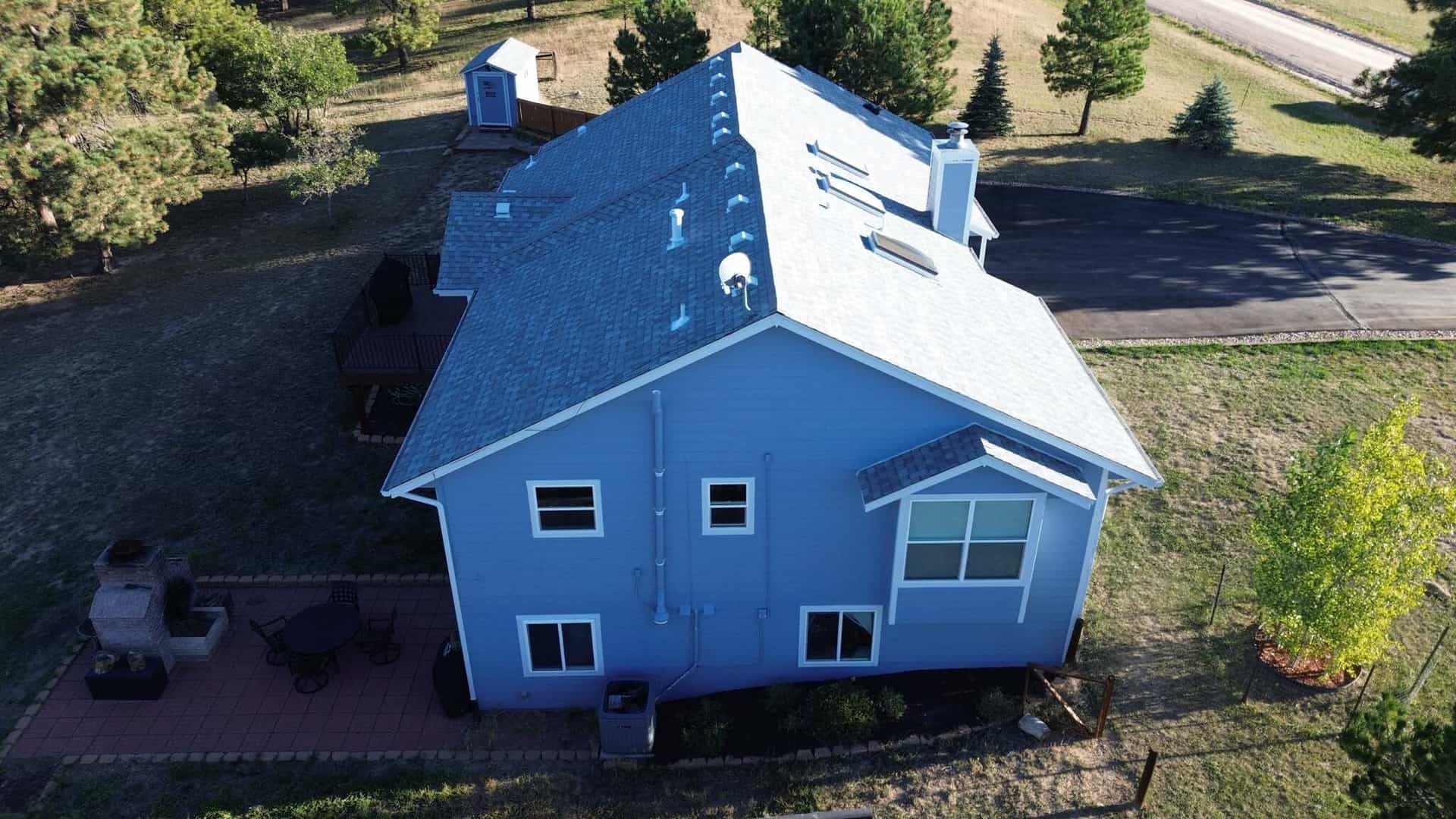
Hail damage is often invisible from the ground, so the surest early sign is dented soft metals, gutters, downspouts, vents, and AC fins. Most Colorado policies require a claim within one year of the storm, and a single hail claim generally does not raise your individual premium. Our inspection is free, we document the damage fully, and we manage the insurance claim end to end from our Denver, Grand Junction, and Scottsbluff offices.
Commercial Roofing Contractor helps homeowners across Colorado and the Nebraska Panhandle respond to hail and wind damage the right way: inspect promptly, document thoroughly, and let the insurance claim, not guesswork, drive the repair or replacement. We bring commercial-grade documentation discipline to every residential storm claim, from our Denver, Grand Junction, and Scottsbluff offices.
Colorado's Hail Belt
The Front Range sits in the heart of North America's most active hail region, sometimes called Hail Alley, where the Denver, Colorado Springs, and Greeley corridor regularly leads the country in hail reports and insured hail losses. The season runs roughly April through September, peaking in the summer months. If you own a home anywhere along the Front Range, hail is not a question of if but when, and staying ahead of the damage protects both your roof and your ability to claim it.
What Hail Damage Looks Like
The reason so much hail damage goes unclaimed is that it rarely announces itself with an immediate leak. On the shingles, hail leaves bruises, soft spots where the impact fractured the mat, and knocks loose the protective granules, exposing the asphalt to UV and shortening the roof's life. From the ground, none of that is visible. The most reliable early evidence is collateral damage on soft metals: dents in gutters, downspouts, roof vents, flashings, window screens, and the fins of your air conditioner. Adjusters look for exactly these, and if your soft metals are dented, your roof almost certainly took hits too.
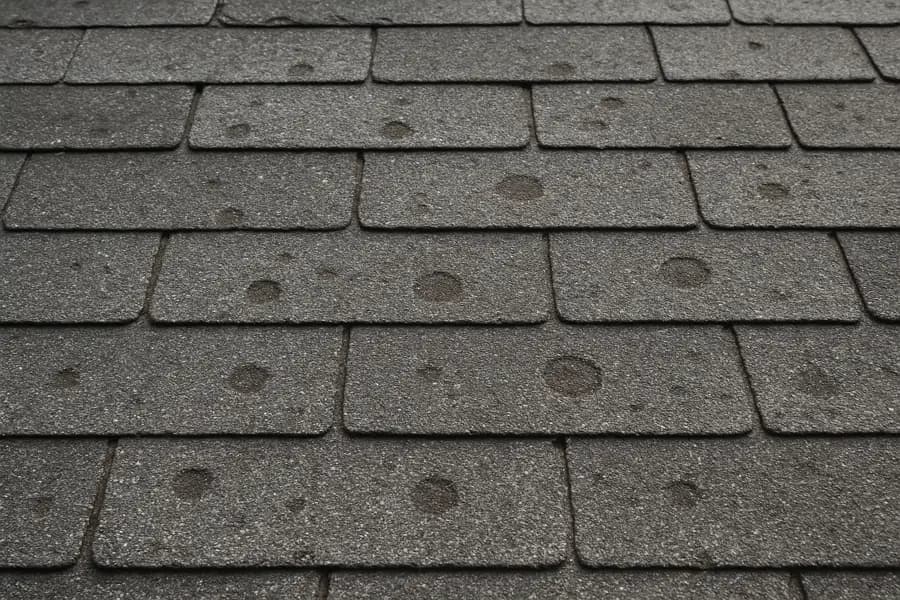
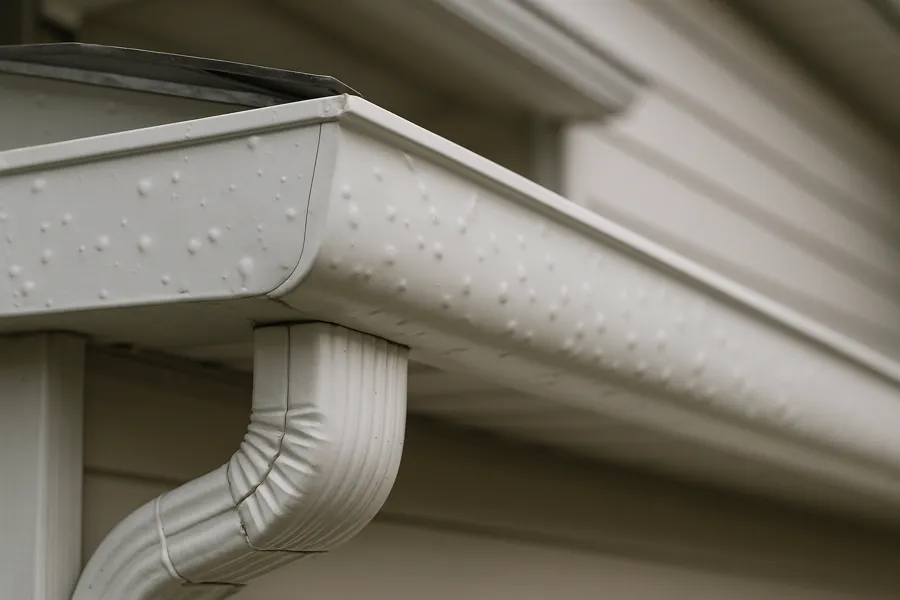
Illustrative examples of what hail damage looks like, not photos of a specific CRC project.
What to Do After a Hailstorm
- Do not wait for a leak. By the time hail damage leaks, the shingle life has already been spent and you may be past your filing deadline.
- Note the storm date. Insurance claims are tied to a specific date of loss; we can help identify it from local storm records.
- Get a free inspection. We document the roof and soft-metal collateral with photos and determine whether you have a viable, claimable loss.
- File before your deadline. Most Colorado policies require filing within one year of the storm, so prompt action protects your claim.
Wind Damage
The same storms that bring hail bring damaging wind. Wind lifts and tears shingles, breaks seals, blows off ridge caps, and drives rain under the roofing. Wind damage is claimable on the same basis as hail, and we document both together so a single claim captures the full scope of the storm's impact.
Insurance Claims and Documentation
Documentation is what separates a complete claim from a short one. We photograph the damage, meet your adjuster on the roof, and file supplements when the initial scope misses code-required items. Our full insurance claims support walks you from first inspection through final depreciation recovery, so the claim reflects what your roof actually needs.
Rebuild Stronger With Class 4
A hail claim is the ideal moment to upgrade. Replacing with Class 4 impact-resistant shingles sharply reduces future hail damage and often earns a homeowners insurance discount, so the next storm is far less likely to put you back in the claims process. See our roof replacement page for how the rebuild works.
Storm and Hail Damage in Scottsbluff and the Nebraska Panhandle
The Panhandle sits in the same high-plains hail corridor as eastern Colorado, and a single supercell tracking up the North Platte valley can work Scottsbluff, Gering, and Terrytown in one evening. What differs is the aftermath: it is a smaller market, so out-of-state storm crews arrive fast, knock doors for a week, and are gone before the first leak shows up. A local office that is still here in three years is worth more than a fast quote.
We inspect from our Scottsbluff office across Gering, Terrytown, Mitchell, Minatare, Morrill, Bayard, and Bridgeport, and we document what we find whether or not it becomes a claim. Nebraska claim handling is not identical to Colorado's, so the Nebraska Panhandle claims guide covers the parts that actually differ. We do not promise an approval or an amount; we document the damage and work the claim with your adjuster.
Emergency Response
If a storm has left you with an active leak or exposed roof, we provide emergency tarping to protect your home right away, then handle the permanent repair or replacement through your claim.
Frequently Asked Questions About Storm & Hail Damage
How do I know if my roof has hail damage?
Hail damage is often invisible from the ground, which is why so much of it goes unclaimed. The clearest signs are bruising and granule loss on the shingles, but the most useful early tell is collateral damage on soft metals: dents in gutters, downspouts, vents, flashings, and the fins of your air conditioner. If those show hail dents, your roof was almost certainly hit too. A free professional inspection confirms whether the damage is functional and claimable.
How long do I have to file a hail damage claim in Colorado?
Most Colorado homeowners policies require claims to be filed within one year of the date of loss, and some carriers are stricter. Because damage is easy to miss and deadlines are firm, the safest move after a significant hailstorm is to get inspected promptly rather than waiting for a leak. We can help identify the storm date and get your claim documented in time.
Will filing a hail claim raise my premium?
Hail and other weather events are classified as non-preventable acts of nature, so a single hail claim typically does not raise your individual premium the way an at-fault claim can. Premiums across a region can rise after a major storm regardless of whether you file, so choosing not to file a legitimate claim usually means paying for a rate change without getting the roof it was meant to cover. Confirm specifics with your carrier.
Do I have to pay my full deductible?
On an approved claim, you are responsible for your policy deductible and insurance covers the balance of the approved scope. Be cautious of any contractor who offers to waive, absorb, or rebate your deductible, which is illegal in Colorado and can jeopardize your claim. We handle claims honestly and to code. Denver metro: (720) 893-7663. Western Slope: (970) 877-7663. Nebraska Panhandle: (308) 536-7663.
Does hail damage always mean a full roof replacement?
Not always. Light or isolated hail may only call for a repair, while widespread bruising and granule loss across the roof generally supports a full replacement. The adjuster and the documented test-square results drive that determination. Our inspection documents the extent of damage accurately so the claim reflects what the roof actually needs, neither over nor under scope.
Do you meet with my insurance adjuster?
Yes. We meet your adjuster on the roof, walk the documented damage together, and advocate for a complete and correct scope. When the initial approval misses code-required items or damage, we file supplements with supporting documentation. This is the single biggest reason claims come in complete rather than short.
See all roofing FAQs. Grouped by topic: commercial and residential decisions, cost, insurance claims, storm response, warranties, and financing.
Related Resources

CRC Serving You From Three Offices
Available from all three offices: Denver, Grand Junction, and Scottsbluff, plus surrounding service areas.
Denver Office
Denver Metro and Front Range
(720) 893-7663
Grand Junction Office
Western Slope
(970) 877-7663
Scottsbluff Office
Nebraska Panhandle
(308) 536-7663