
Residential Roofing
Winter Roof Leaks in Denver, Grand Junction and Scottsbluff: Tarping, Repairs and Inspections
By James Rhoades, Vice President of Sales · Reviewed by the CRC team · November 14, 2026
- Residential Roofing
- Roof Leak
- Roof Repair
- Emergency Tarping
- Winter
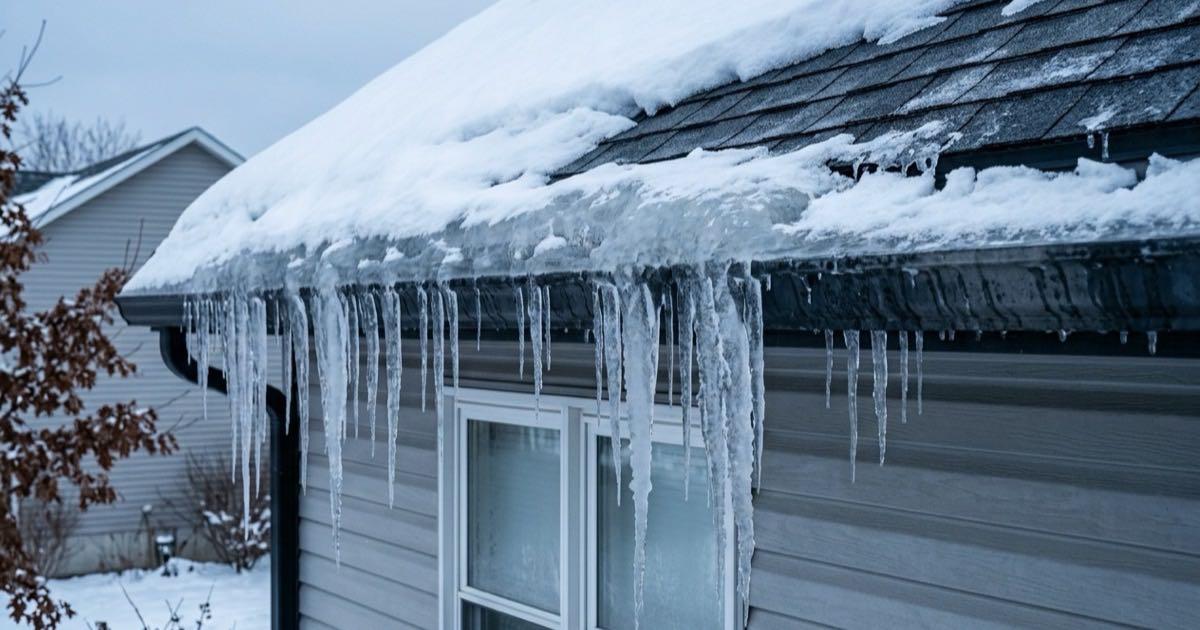
Short answer: Roofs leak in winter because snow melts slowly into openings a quick rain runs past, melt water refreezes at cold eaves into ice dams, and nights below freezing work cracks open in flashing and pipe boots. If water is coming in, stay off the roof, catch the water, protect your belongings, take photos, and call for an emergency tarp. The tarp stops the damage until a permanent repair can be made, and an inspection now finds the weak spots before the next snow does.
Winter is when small roof problems turn into ceiling stains. A cracked seal that dripped a little in a summer storm sits under melting snow for days in January. Here is why winter leaks happen, how winter looks at each of our offices, and what to do when water comes in.
Why Roofs Leak in Winter
Snow melts slowly into openings rain runs past
Rain runs off a pitched roof in minutes. Snow sits on it for days and melts a little at a time, so water keeps reaching any opening: the rubber collar around a plumbing vent, the flashing at a chimney or wall, a nail that has backed out, or a shingle that wind has lifted. A cracked pipe boot that never leaked in a thunderstorm can leak all week under a snowbank.
Ice dams at the eaves
An ice dam is a ridge of ice at the edge of the roof that stops melting snow from draining off, as the University of Minnesota Extension describes it. Heat escaping from the attic warms the upper roof above freezing while the overhang stays below it, so snow melts high and refreezes low. The National Weather Service's Grand Rapids office puts the cause as heavy snow that “melts during the day and then refreezes when temperatures drop overnight.” The water held behind the dam backs up under the shingles and into the house. Better attic ventilation and insulation are the long-term fix.
Freeze-thaw opens up small cracks
Every night below freezing followed by a sunny day expands and shrinks the roof. Sealant dries and splits, flashing works loose, and an older roof of asphalt shingles loses its grip at the edges. Water that gets into a crack and freezes widens it further.
What Winter Looks Like at Each of Our Offices
Our three offices see three different winters. The figures below are the 1991 to 2020 Climate Normals from NOAA's National Centers for Environmental Information unless noted.
| Office | Average snow per year | Snowiest months | Average first freeze | Nights at or below 32°F |
|---|---|---|---|---|
| Denver | About 47 to 49 inches | March, then February and November | Early October | About 156 |
| Grand Junction | 17.7 inches | December and January | Mid October | About 137 |
| Scottsbluff | 42.5 inches | December, February and March | Early October | About 174 |
Denver and the Front Range
Denver's snow is heavy and it comes late: March is the snowiest month in both the recent normals and the record back to 1882, according to the National Weather Service in Boulder, which puts the long-term average at 56.6 inches a season. The other Front Range habit is the fast melt. Colorado State University's CIRA notes that with a chinook wind “a foot of snow may disappear in a few hours.” That is a lot of water on a roof at once, and when the temperature drops again at night, it is exactly the melt-and-refreeze pattern that builds ice dams. Our Denver office covers the metro and the Front Range.
Grand Junction and the Western Slope
The Grand Valley gets far less snow, 17.7 inches in an average year, most of it in December and January. Less snow does not mean a roof gets a pass. It still goes through about 137 nights a year at or below freezing, and the dry, sunny climate is hard on sealants and rubber. A winter leak here is most likely to start at an opening the freeze-thaw cycle has already made, then lets in rain or wet snow. The higher towns around the valley carry much more snow, so a roof in the mountains behaves more like one on the Front Range. Our Grand Junction office covers the Western Slope.
Scottsbluff and the Nebraska Panhandle
Scottsbluff gets 42.5 inches of snow in an average year and the most freezing nights of our three offices, about 174 a year at or below freezing and the earliest average first freeze, in the first week of October. As we explain in why Scottsbluff roofs fail, ice dams are less of a problem here than people expect. The bigger winter risk is freeze-thaw damage to flashing, sealant and older shingles, followed by snow or rain finding the gap. Our Scottsbluff office covers the Panhandle.
What to Do When Water Comes In
- Stay off the roof. A snowy or icy roof is a fall risk even for someone used to ladders, and chipping at ice or shoveling to the shingles can tear them.
- Catch the water and protect your things. Put down buckets and towels, move furniture and electronics, and keep people away from a ceiling that is sagging. If water is near a light fixture or outlet, turn off that circuit at the breaker.
- Take photos. Photograph the stain, the drip, any damage outside you can see from the ground, and the date. Photos help with any insurance claim later.
- Call for an emergency tarp. We offer 24/7 emergency tarping from all three offices.
How Emergency Roof Tarping Works
An emergency tarp is a heavy, waterproof cover secured over the damaged part of the roof and past it, so water runs over the tarp instead of into the opening. It is temporary on purpose. Its job is to stop the damage inside the house today, so the permanent repair can be done properly rather than in a hurry.
Tarping also matters for insurance. Most homeowners policies ask you to take reasonable steps to protect the property from further damage after a loss, usually in a section titled something like Duties After Loss. A tarp, documented with photos, is the standard way to do that.
Winter Roof Repairs
Most roof repairs can be done in winter on a dry day: replacing a pipe boot, resealing or replacing flashing, and replacing a run of damaged shingles. Some sealants and shingle adhesives need a minimum temperature, set by the manufacturer, to bond properly, so part of a repair may wait for a warmer window while the tarp holds. When a leak turns out to be one failure among many on an old roof, we will tell you so and show you the photos. Our residential roof repair page covers the repairs we do, and our signs you need a new roof guide covers when repair is no longer enough.
Why a Winter Roof Inspection Is Worth It
The best time to find a winter leak is before the snow does. An inspection checks the places winter leaks start: pipe boots, flashing at chimneys and walls, the shingles along the eaves and ridge, the gutters, and the attic, where ventilation and insulation decide whether ice dams form. We offer free inspections, with same-day and next-day visits across the Denver metro, Grand Junction and the Nebraska Panhandle for most repair requests, and active leaks are prioritized at every office. If a fall storm left storm damage behind, an inspection now documents it before snow covers it.
Own or manage a commercial building? Flat roofs leak in winter for different reasons, from frozen drains to snow loads, and we cover those in commercial roof leaks in winter.
Winter Roof Leak FAQs
Why is my roof leaking only when it snows?
Snow sits on a roof for days and melts slowly, so water reaches openings that a quick rain runs past: a cracked pipe boot, lifted flashing, or a gap at a chimney. Warm attic air can also melt snow from underneath, and the water refreezes at the cold eave into an ice dam that backs melt water up under the shingles.
Can a roof be repaired in winter?
Usually, yes. Many repairs, such as replacing a pipe boot or a run of damaged shingles, can be done on a dry day in winter. Some products need a minimum temperature to seal or cure, set by the manufacturer, so part of a repair may wait for a warmer window. An emergency tarp holds the roof until then.
What is emergency roof tarping?
A heavy tarp secured over the damaged part of the roof to stop water coming in until a permanent repair can be made. It is a temporary measure. It protects the inside of the home, and most homeowners policies expect you to take reasonable steps like this to prevent further damage after a loss.
Should I get on the roof to clear snow or find the leak?
No. A snowy or icy roof is a serious fall risk, and chipping at ice or shoveling down to the shingles can tear them and make the leak worse. Catch the water inside, protect your belongings, take photos, and call a roofer.
Do Scottsbluff roofs get ice dams?
Less often than in Denver. Scottsbluff gets about 42 inches of snow a year but its leaks more often come from freeze-thaw damage, with about 174 nights a year at or below freezing, the most of our three offices. Ice dams need snow to sit on the roof long enough to melt and refreeze at the eave.
When should I get a roof inspection before winter?
Before the first hard freeze if you can. On average that comes in early October in Denver and Scottsbluff and mid October in Grand Junction. If that has passed, an inspection in winter still finds cracked boots, lifted shingles and damaged flashing before the next snow melts into them.
Related Resources
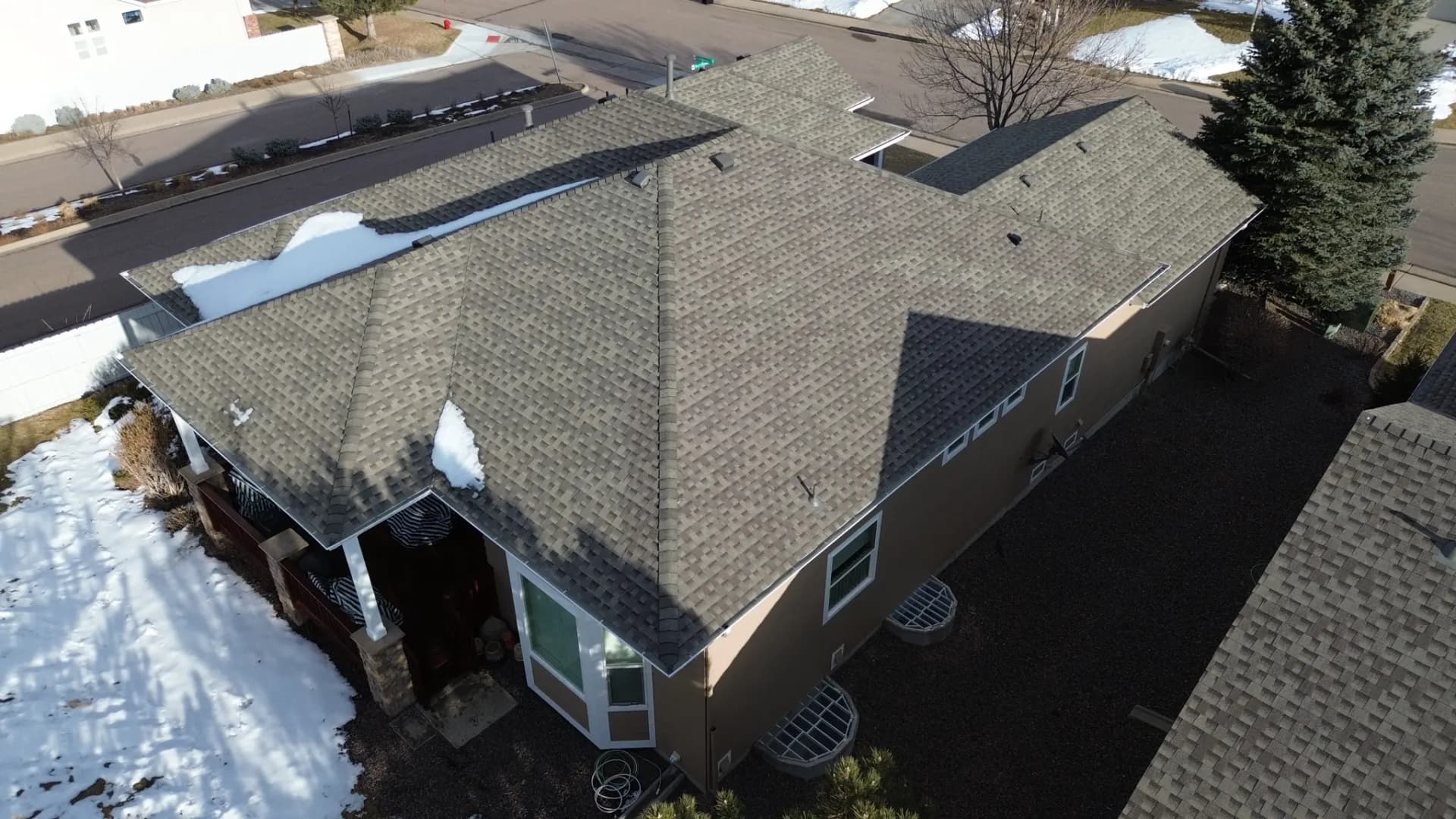 ProjectCastle Pines, CO
Class 4 Shingle Roof & Storm Restoration in Castle Pines, CO
View project →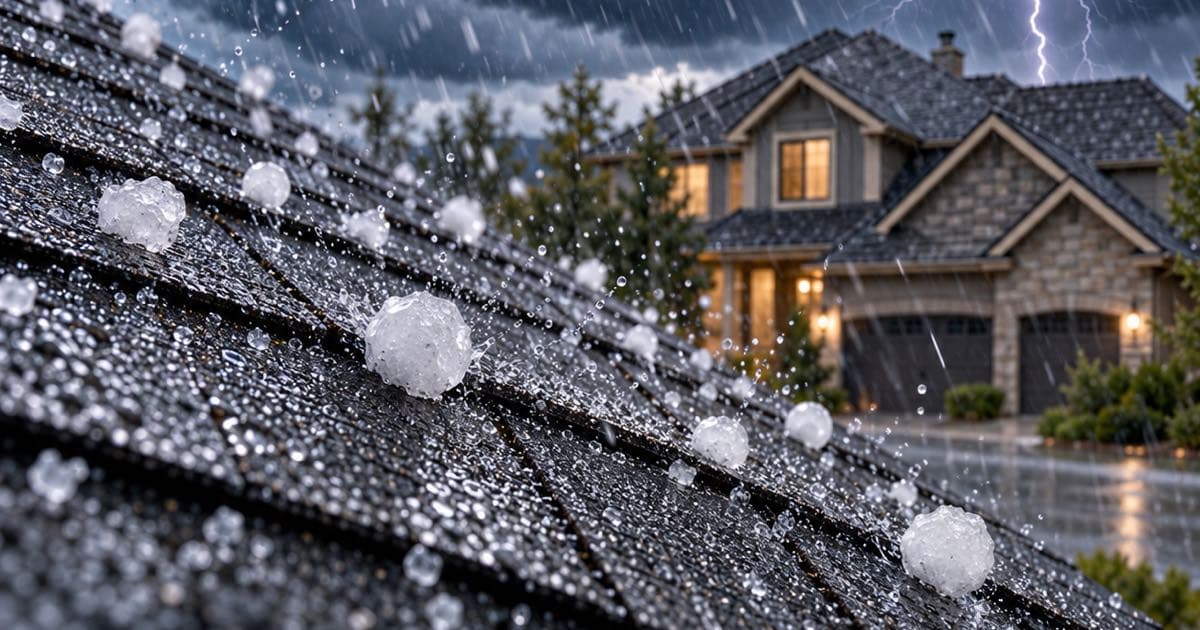 BlogResidential Roofing
TAMKO HailGuard Shingles and MasterShield Warranties: Roofing Protection in Colorado and Nebraska
Read more →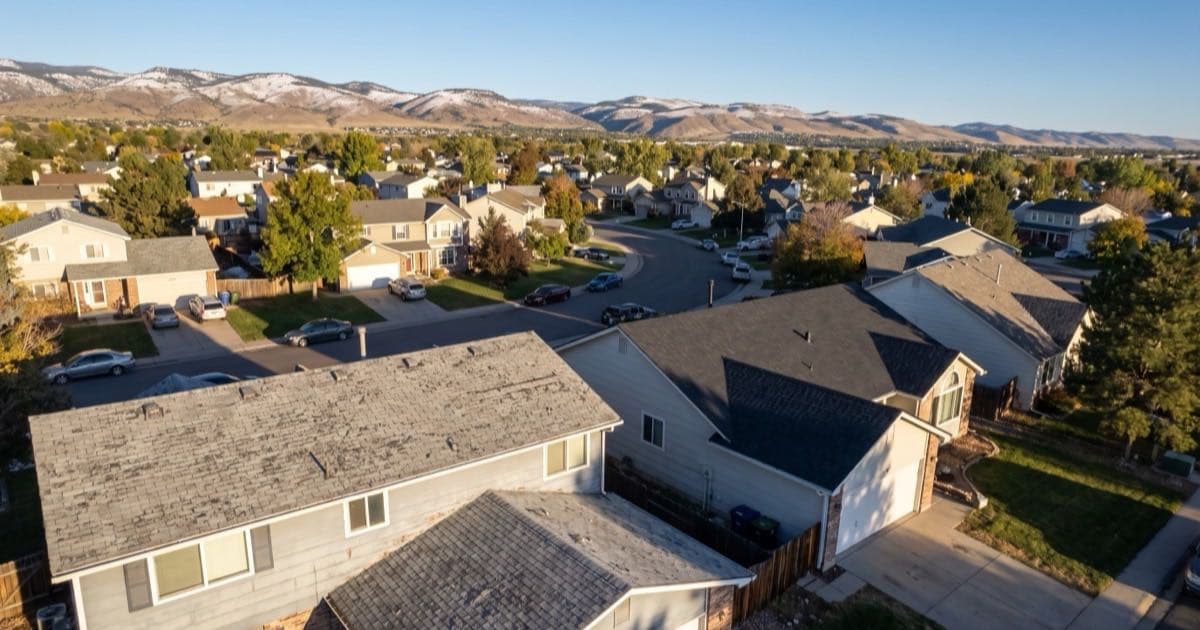 BlogResidential Roofing
How Long Does a Roof Last in Colorado?
Read more →
Talk to the team nearest you: our Denver office for the Front Range, our Grand Junction office for the Western Slope, or our Scottsbluff office for the Nebraska Panhandle.