
Residential Roofing
7 Signs You Need a New Roof in Colorado
By Chris Sanchez, Commercial Roofing Contractor · July 10, 2026
- Roof Replacement
- Roof Repair
- Homeowner Guide
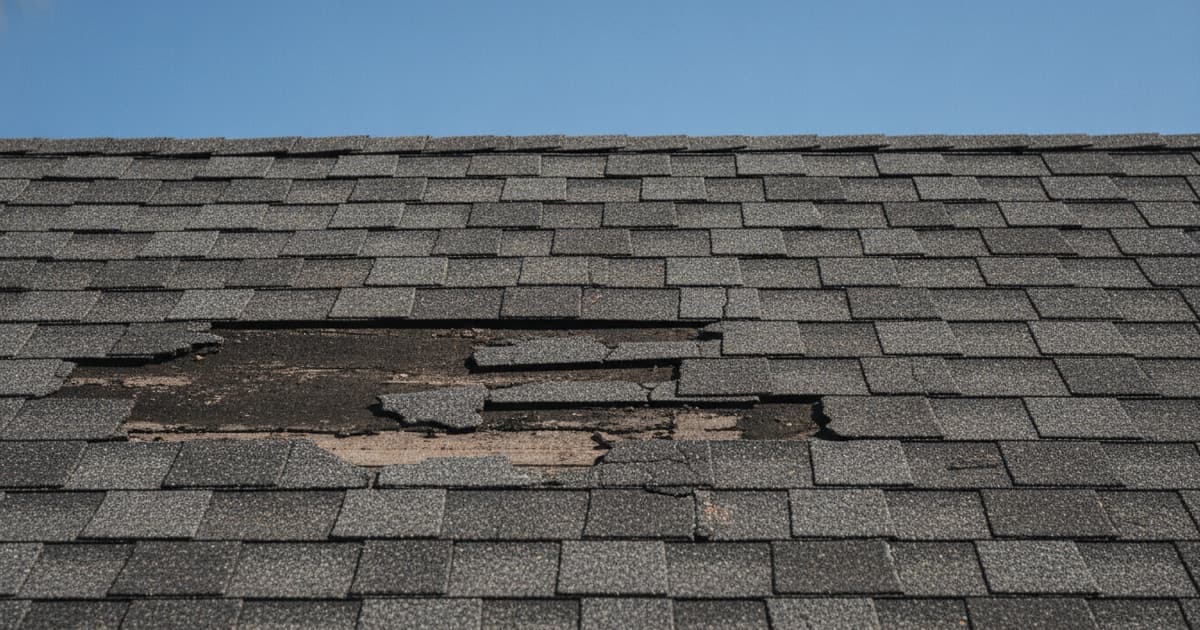
Short answer: The clearest signs a Colorado roof needs replacing are curling or missing shingles, heavy granule loss, daylight or moisture in the attic, repeat leaks, sagging, and age past 20 years. One sign on its own may only need a repair. Several at once, or any structural sign, usually means it is time to replace rather than keep patching.
Colorado is hard on roofs. Intense high-altitude UV, big temperature swings, freeze-thaw cycles, and frequent hail all age a roof faster than a milder climate would. Catching the warning signs early lets you plan a replacement on your terms instead of scrambling after a leak floods a ceiling. Here are seven signs to watch for, flagged by how urgently they need attention.
Curling, Cupping, or Buckling Shingles
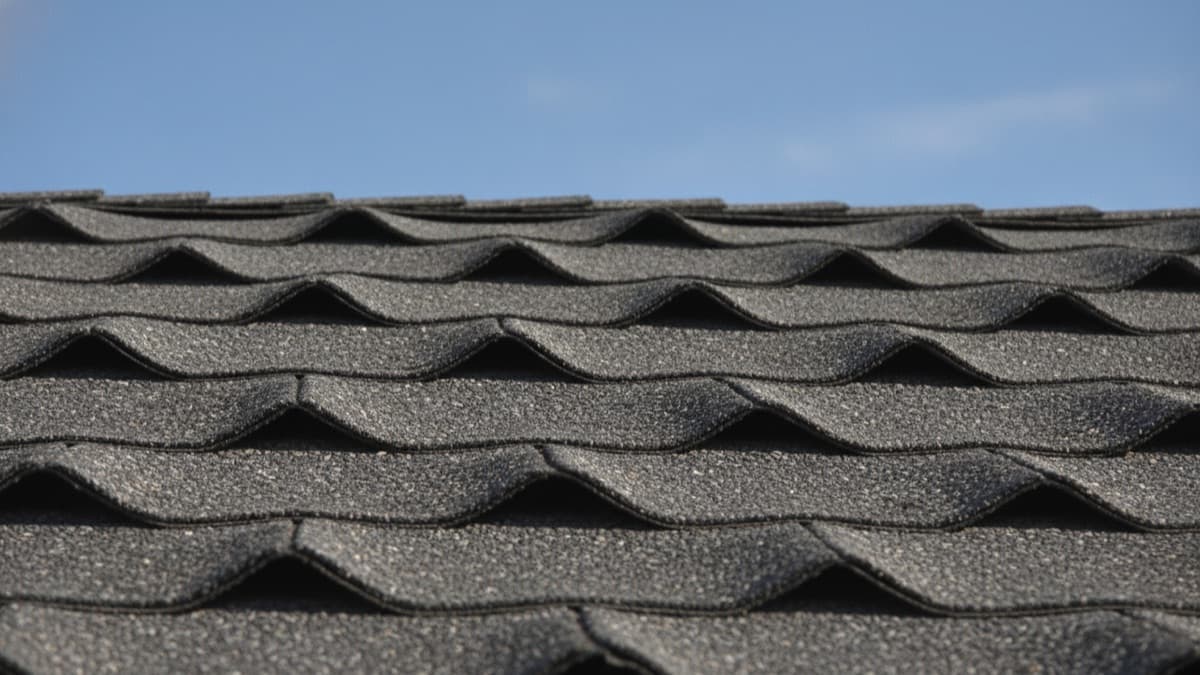
When shingles curl at the edges, cup in the middle, or buckle in waves, the material has dried out and lost its flexibility, usually from years of UV and heat cycling. Curled shingles let wind and water underneath and are far more likely to blow off in the next storm. Widespread curling across the roof is an age-and-wear signal, not a spot repair.
Heavy Granule Loss and Bald Spots
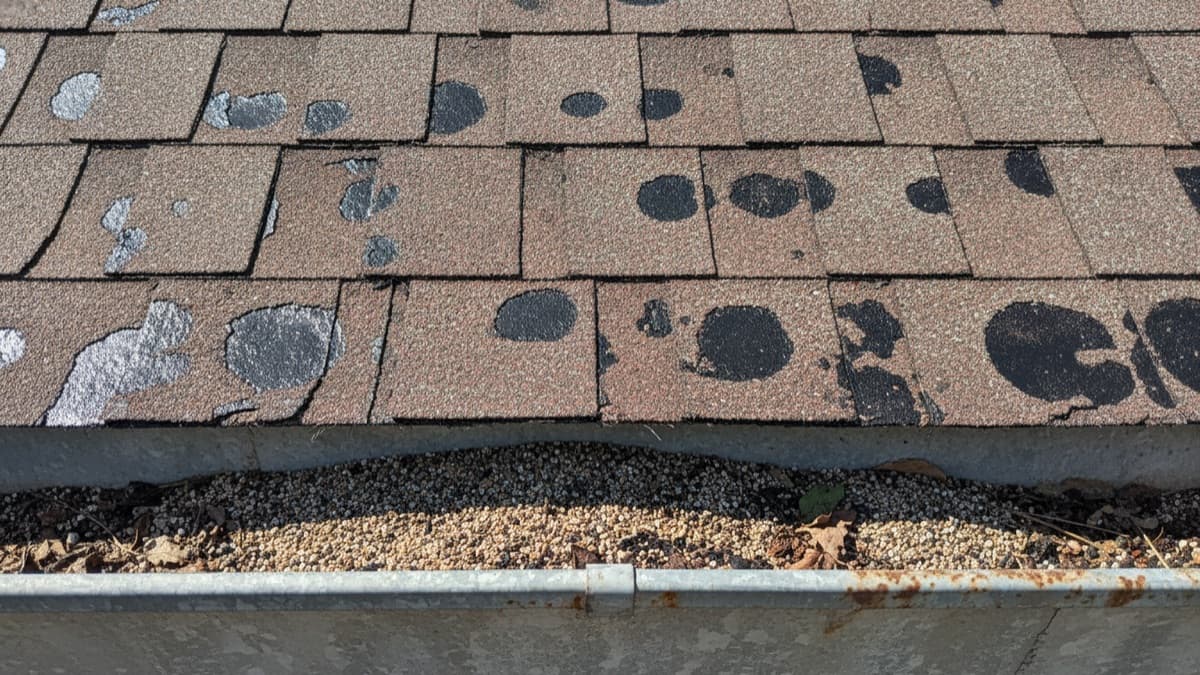
The granules on asphalt shingles are the sunscreen that protects the asphalt underneath. A new roof sheds a few; an old one sheds a lot. If you see bald, shiny spots on the shingles or a buildup of granules in your gutters and at downspout outlets, the protective layer is failing and the roof is late in its life.
Missing Shingles or Repeated Wind Damage
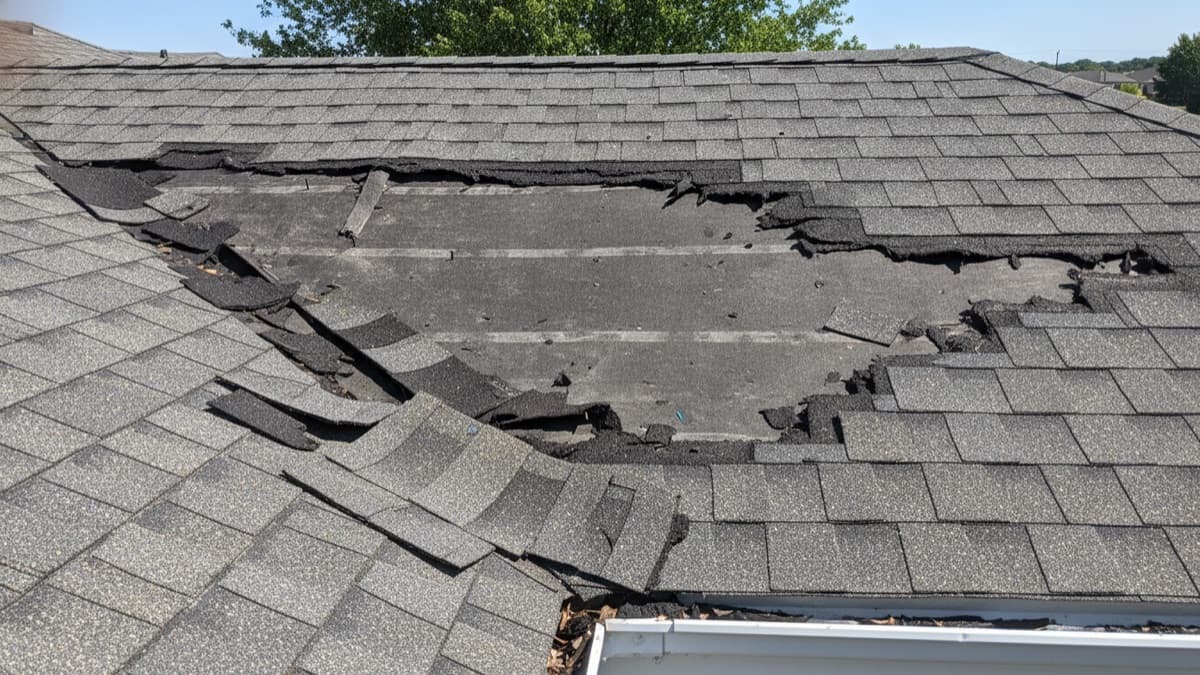
Losing a shingle or two in a big wind event can happen to any roof and is a simple repair. But if you are losing shingles regularly, or the tabs are brittle and cracking when the wind picks up, the whole roof has gotten fragile. Chronic wind loss on an aging roof usually means replacement is more economical than a running tab of repairs.
Daylight or Moisture in the Attic
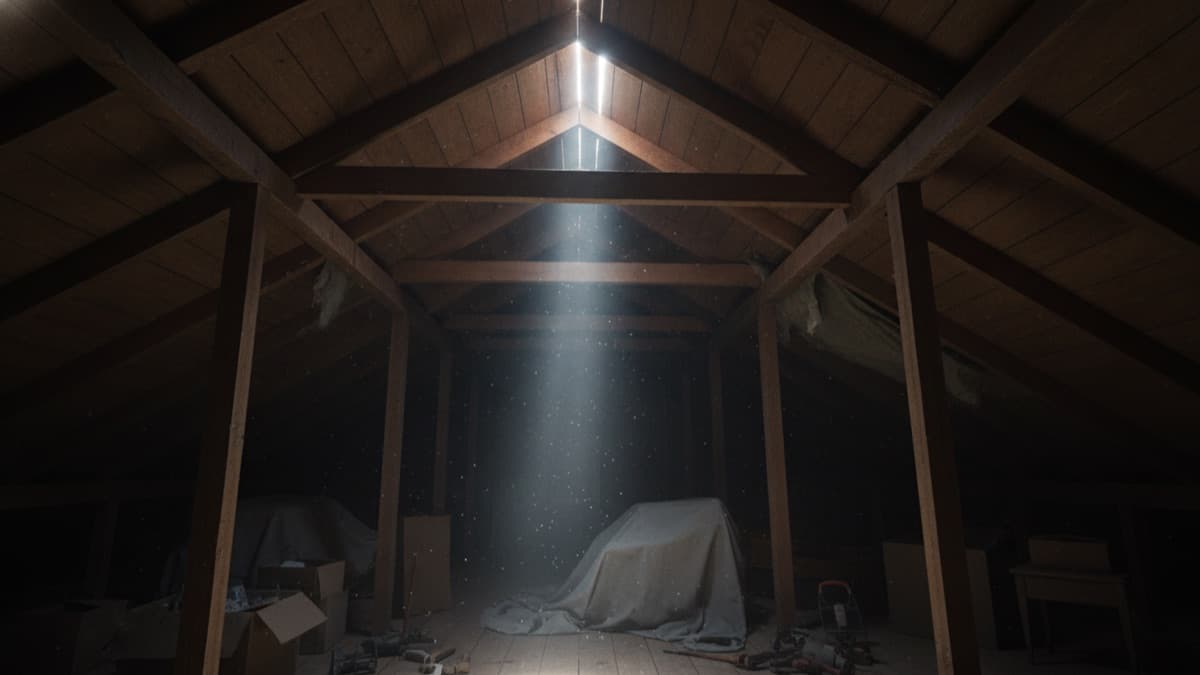
One of the most reliable checks costs nothing: go into the attic on a bright day. If you can see daylight through the roof boards, water is getting in there too. Look also for water stains, damp insulation, or a musty smell, all signs of an active or past leak. Attic moisture over time also rots the decking, which turns a surface problem into a structural one.
Repeat Leaks or Water Stains on Ceilings
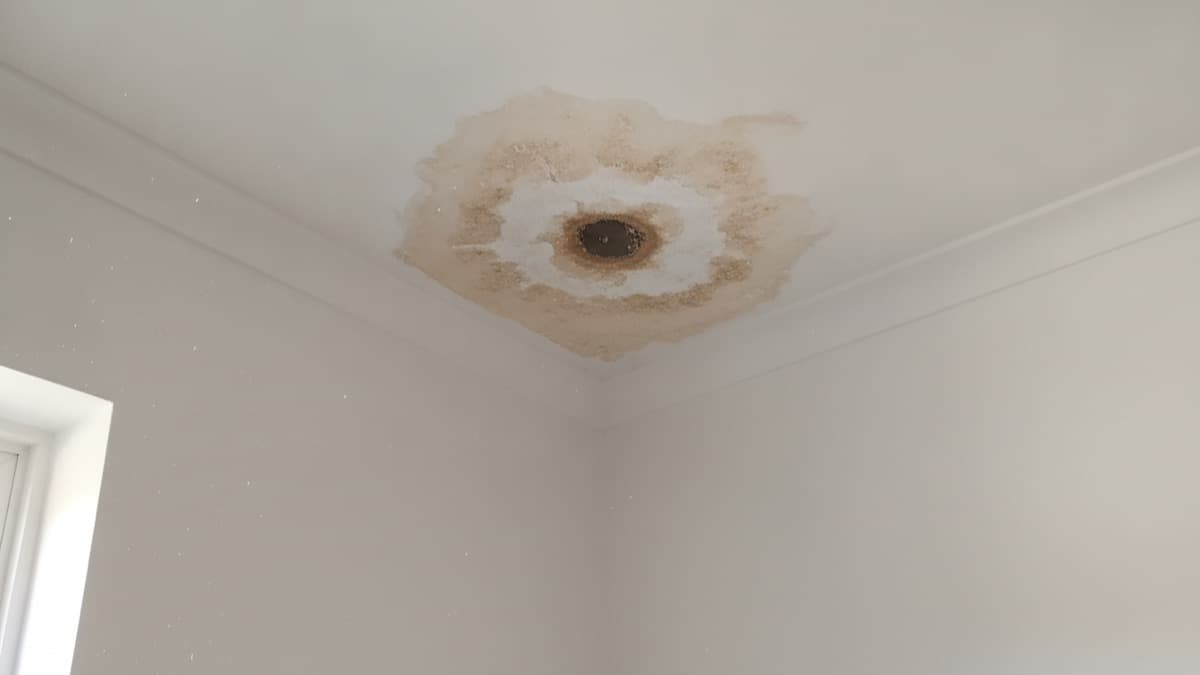
A single leak from a specific cause is often a cheap fix. In fact, the most common residential leak in Colorado is a cracked pipe boot, not a worn-out roof, as we explain in our pipe boot article. But leaks that keep coming back, appear in multiple spots, or return right after a repair point to a roof that has reached the end of the line rather than one bad detail.
A Sagging or Uneven Roofline
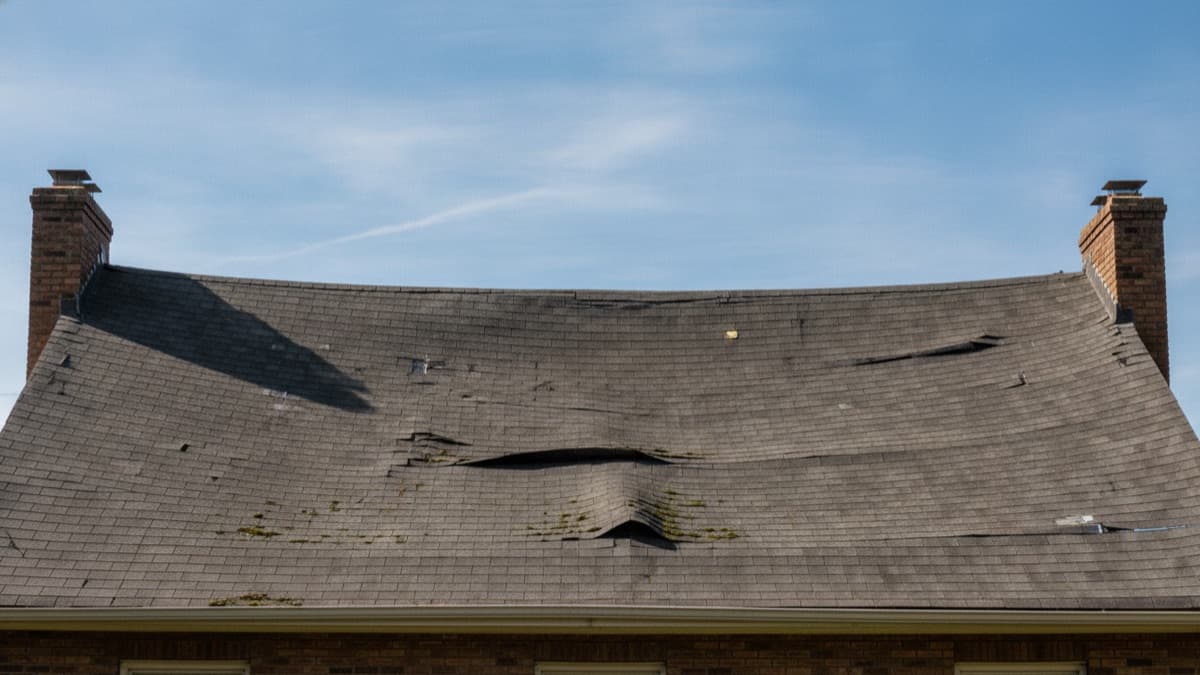
Sight down the ridge and eaves. A roofline should be straight. Any visible sag, dip, or wave in the deck signals a structural or decking problem, usually from long-term moisture. This is the most urgent sign on the list; have it inspected promptly, because it almost always means more than a surface fix.
Your Roof Is Simply Old
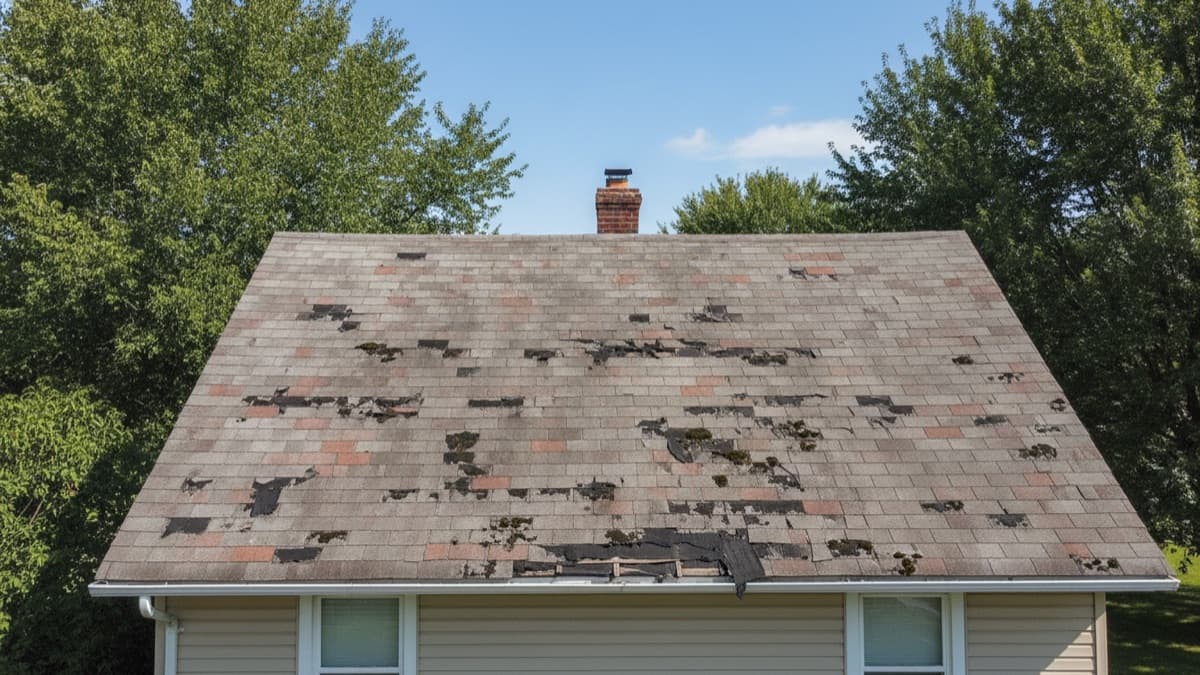
Age alone is a legitimate reason to plan a replacement. Most architectural asphalt roofs in Colorado last about 20 to 30 years, and our climate tends to push them toward the lower end. If your roof is past 20 years, even without dramatic damage, it is worth an inspection and a plan, especially before you sell, since a worn roof is a common sticking point in a home sale.
Repair or Replace?
Any one of these signs, caught early, might only need a residential roof repair. The case for a full roof replacement builds when you see several signs together, when the roof is near or past its expected lifespan, or when you are paying for the same repair more than once. And any structural sign, like a sag or attic decking damage, moves the decision toward replacement on its own. Our roofing FAQ works through the rest of that call in detail: how much life a repair realistically buys, when a partial reroof is allowed, and what an inspector is looking at when they give you an answer.
If storm damage is involved, replacement may be largely covered by insurance; our roof replacement cost guide breaks down what you would actually pay, and our hail storm checklist covers what to do right after a storm.
Commercial Roofing Contractor inspects and replaces residential and commercial roofs across Colorado and manages storm-damage claims. Our Denver office serves the Denver Metro and Front Range, and our Grand Junction office serves the Western Slope.
Frequently Asked Questions
How long does a roof last in Colorado?
An architectural asphalt shingle roof typically lasts about 20 to 30 years in Colorado, but high-altitude UV, hail, and freeze-thaw cycles often push it toward the shorter end. If your roof is past 20 years and showing wear, it is reasonable to start planning for replacement.
Can I just repair my roof instead of replacing it?
Often yes, especially for a localized problem like a cracked pipe boot or a few wind-lifted shingles. Repair stops making sense when damage is widespread, the roof is near the end of its lifespan, or you are paying for repeat repairs on the same aging roof. At that point replacement is usually the better value.
Is granule loss a sign I need a new roof?
Some granules wash off any new roof. Heavy, ongoing granule loss, especially bald spots and a lot of granules collecting in gutters, means the shingle's protective layer is wearing out and the roof is near the end of its service life.
How do I know if hail damaged my roof?
Hail damage is not always visible from the ground. Signs include dented gutters and vents, bruised or cracked shingles, and granule loss exposing the asphalt mat. Because it can be subtle, get a professional inspection after any significant storm so damage is documented while an insurance claim is still valid.
Does a sagging roof mean I need a full replacement?
A visible sag or dip in the roofline points to a structural or decking problem, often from long-term moisture, and should be inspected promptly. It usually means more than a surface repair, and in many cases the decking and roof covering both need to be addressed.
Will insurance help pay for a new roof in Colorado?
If your roof has covered hail or wind damage and you carry Replacement Cost Value coverage, insurance generally pays the replacement cost minus your deductible. Age-related wear is not covered, which is why documenting storm damage early matters.
Related Resources
Talk to the team nearest you: our Denver office, our Grand Junction office, or our Scottsbluff office.