Residential Roofing Project
Class 4 Shingle Roof & New Decking in Cherry Creek, Denver
By CRC Project Management Team, Commercial Roofing Contractor · August 2, 2026
- Residential Roofing
- Shingle Roof Replacement
- Class 4 Impact-Resistant Shingles
- New Roof Decking
- Denver
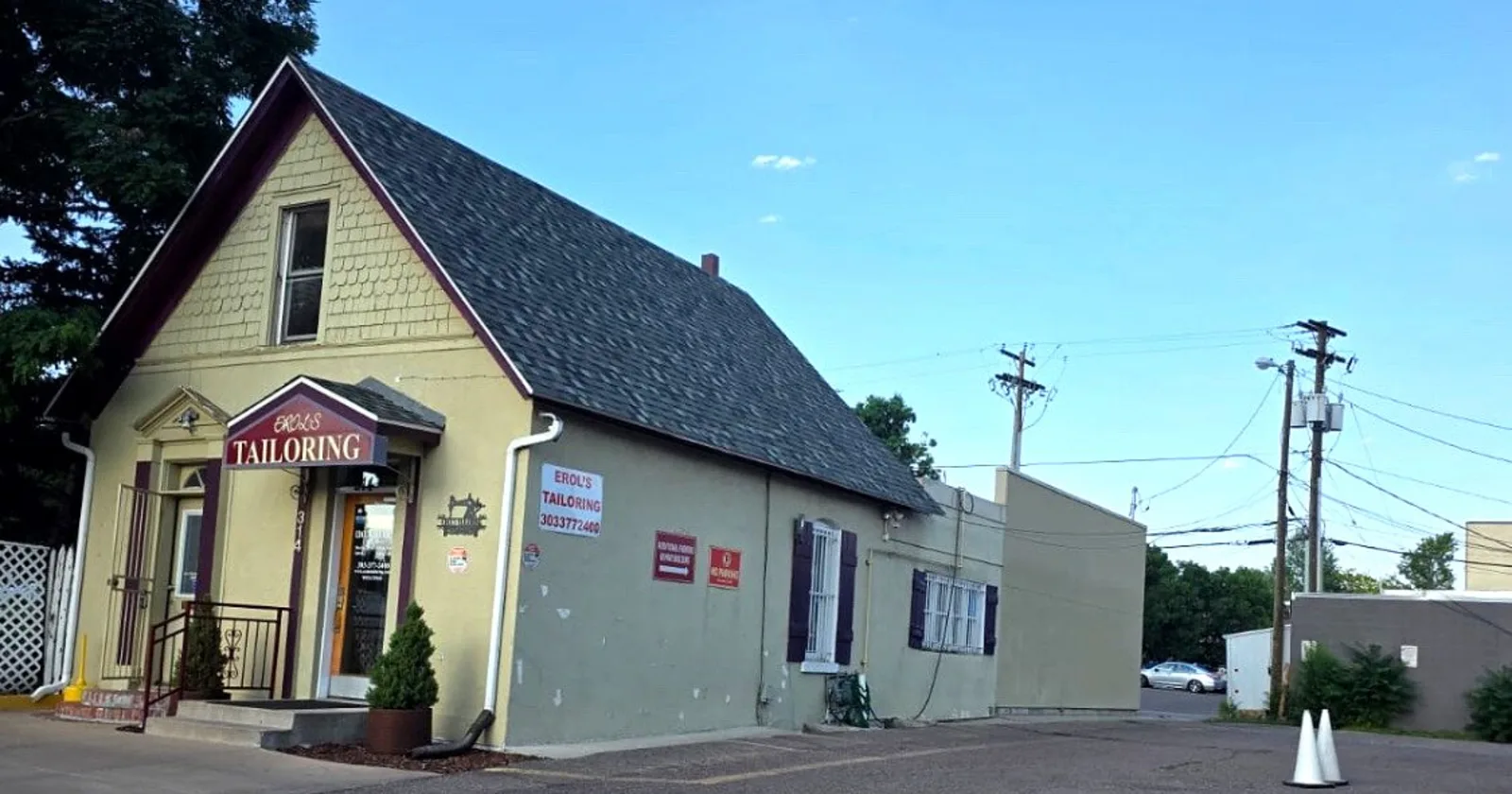
Project Capsule: Hail damaged the roof on Erol's Tailoring and Alterations in Cherry Creek North, an older Denver house that has been a working storefront for decades. CRC documented the storm damage, got the claim approved, and then found what a lot of older Denver roofs are hiding: three layers of roofing over the original wood shakes, all nailed to spaced boards with no solid deck underneath. The whole roof was re-decked and rebuilt with IKO Nordic Class 4 impact-resistant shingles.
Project Facts
| Location | Cherry Creek North, Denver, Colorado 80206 |
| CRC office | Denver Office (Front Range) |
| Property | Erol's Tailoring and Alterations, a small business operating out of an older single-family house |
| Cause of loss | Colorado hail storm |
| Roof system | IKO Nordic IR Class 4 impact-resistant architectural shingles with matching IKO Ultra HP hip and ridge IR and IKO Leading Edge Plus starter, over synthetic underlayment and all-new solid decking |
| Scope | Approved hail insurance claim: full tear-off of three roofing layers and the original wood shakes, complete re-deck, new drip edge and flashing, and a Class 4 shingle roof |
A Storefront That Is Really a House
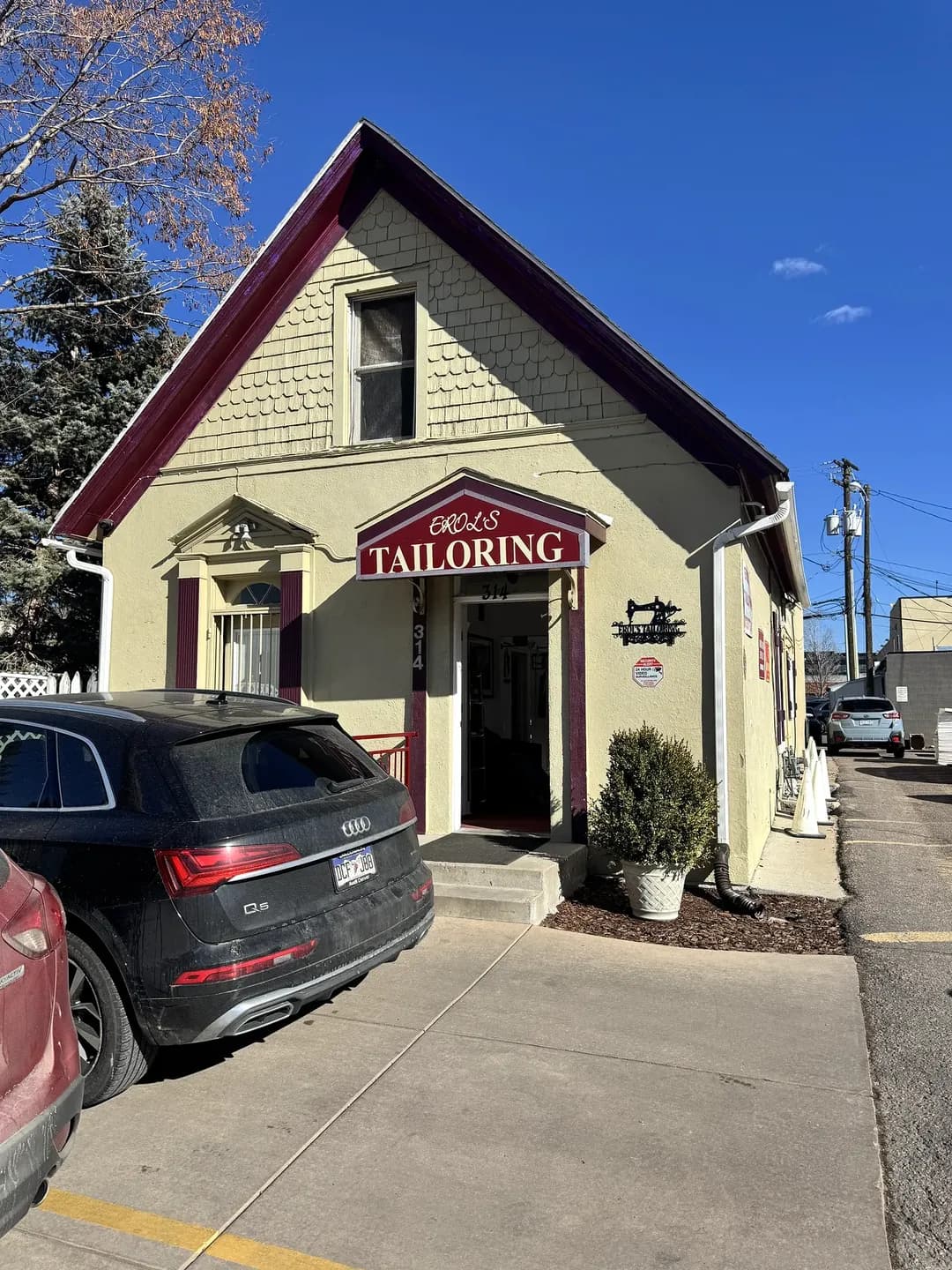
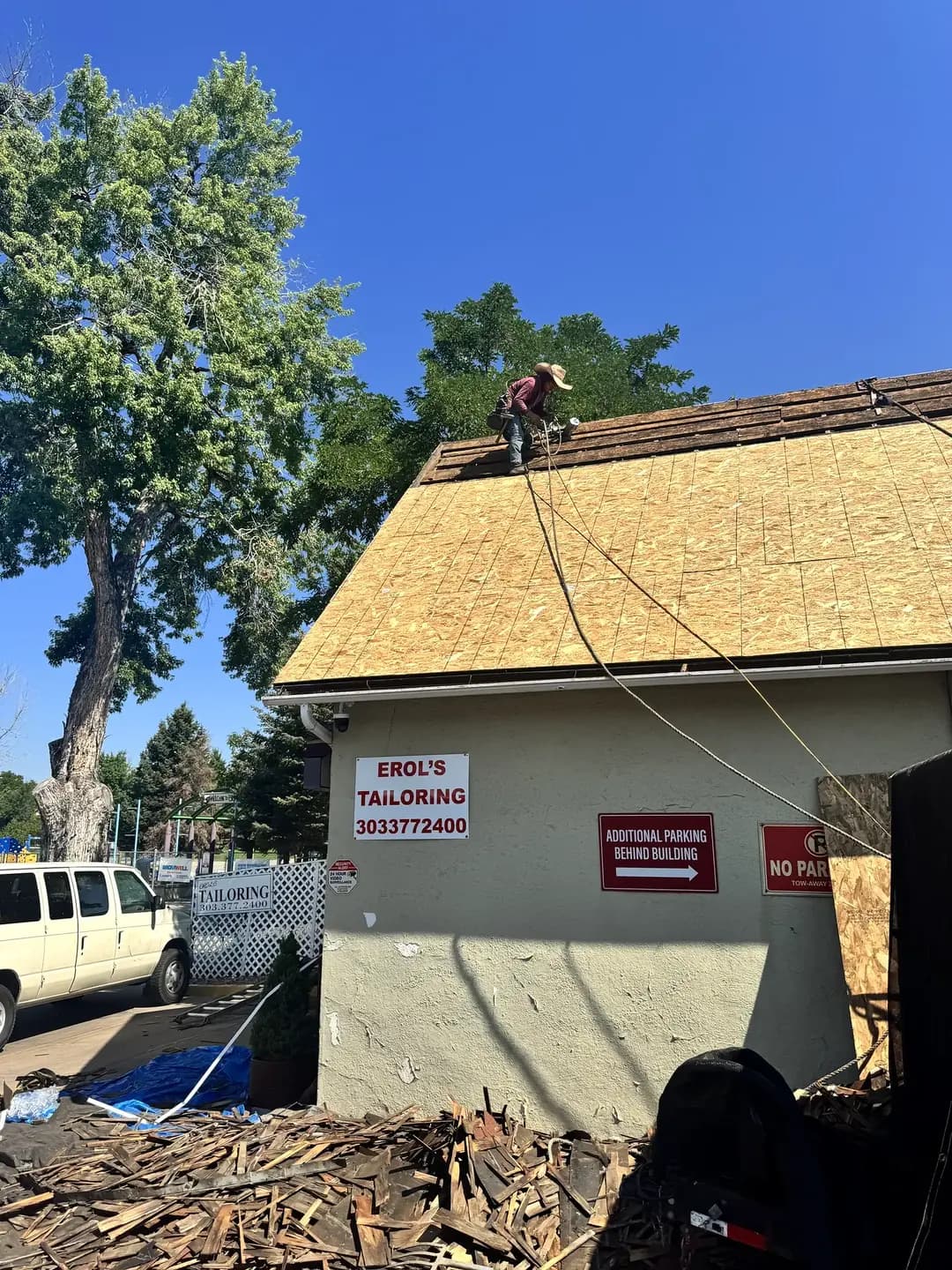
Cherry Creek North is full of buildings like this one: houses built as houses, now working as shops. Erol's Tailoring and Alterations sits in one of them, a steep-gabled Denver house with fish-scale shingle siding in the gable end and a tailoring sign over the front door. It is residential construction doing a commercial job, which means the roof is a steep-slope shingle roof, but the building it protects is somebody's livelihood. Every day the roof is open is a day the business is exposed.
Proving the Hail Damage
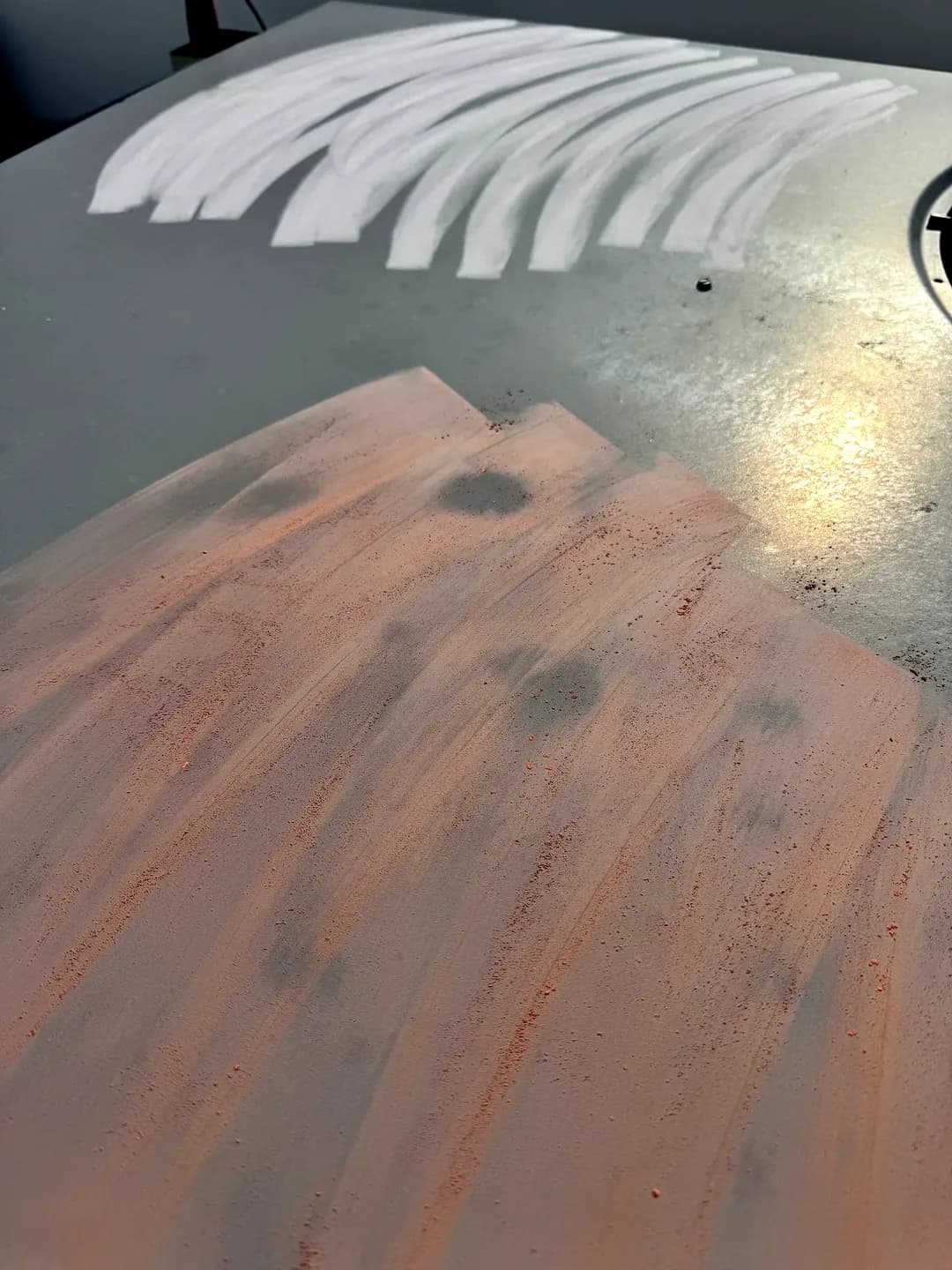
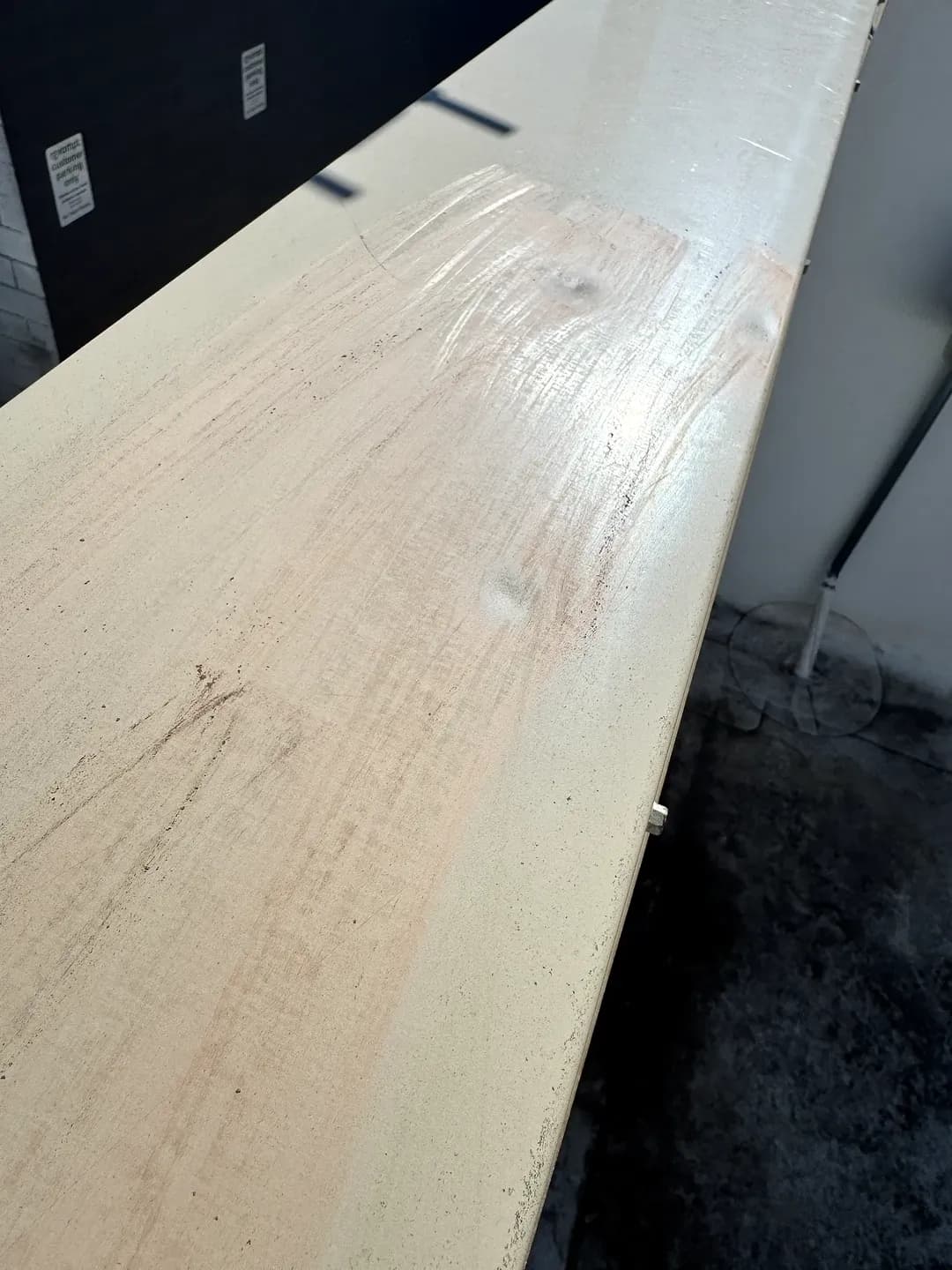
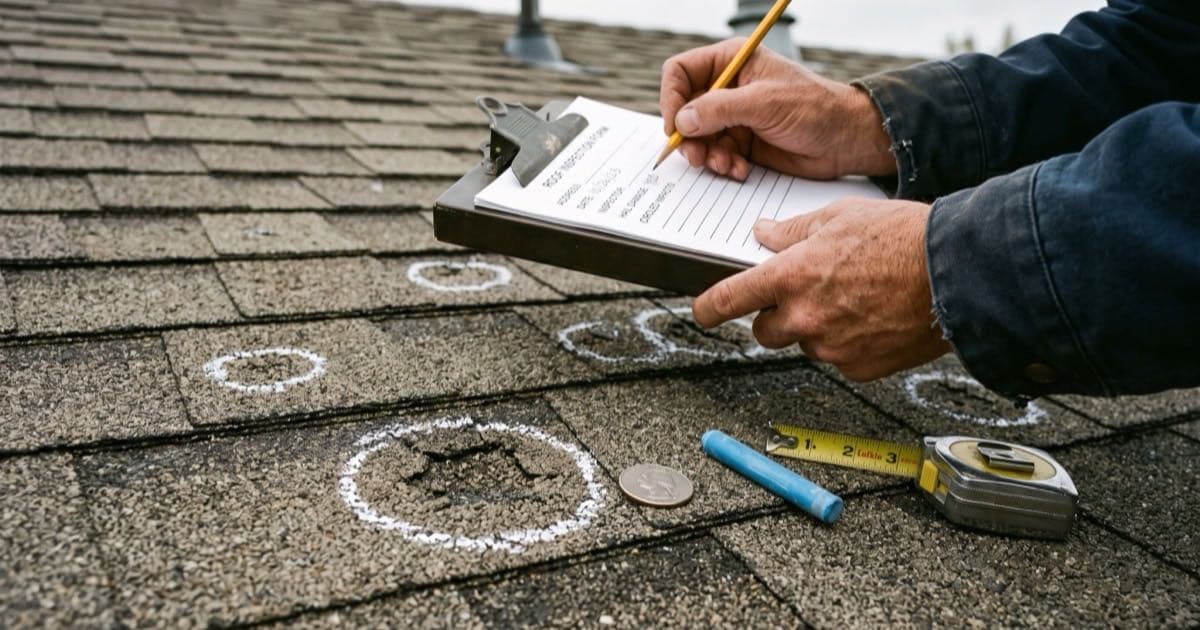
Hail is easiest to argue about on a shingle and hardest to argue about on soft metal. Metal caps, vents, and flashing take a clean dent that does not wash off, does not weather away, and does not depend on anyone's opinion. CRC inspected the property, marked the impacts the way an adjuster does, and built the claim on evidence a carrier could not wave off.
What the Tear-Off Uncovered
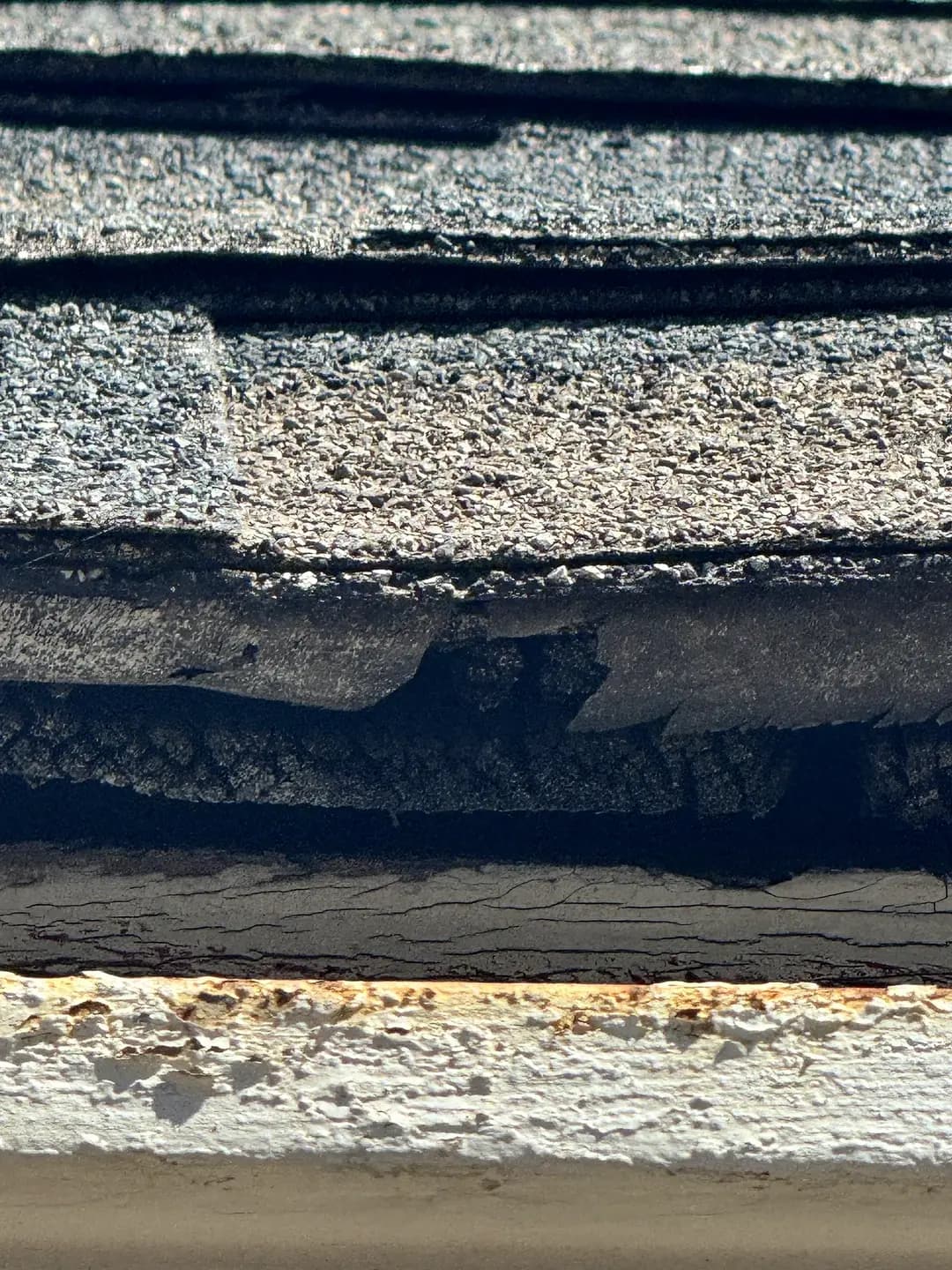
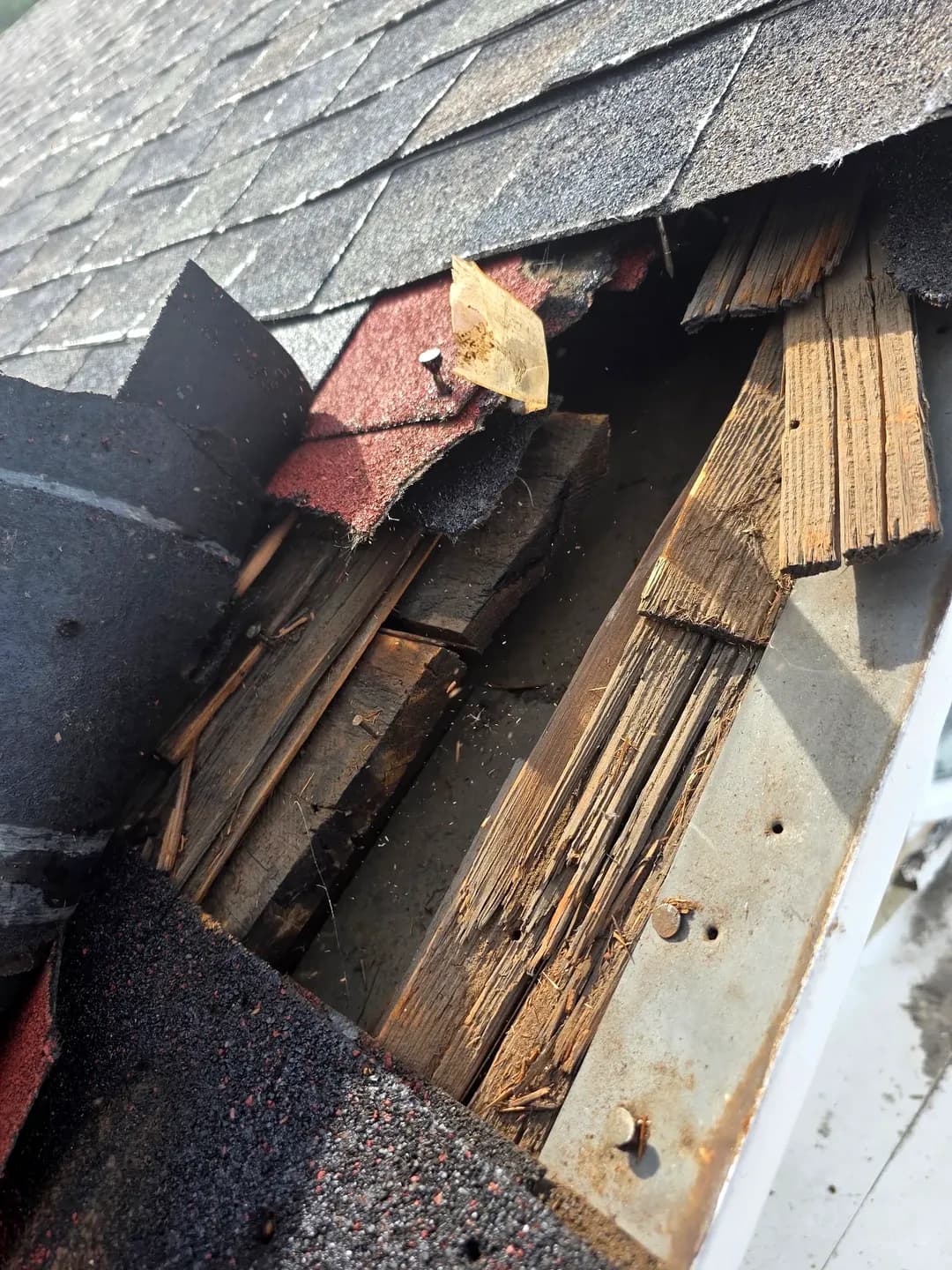
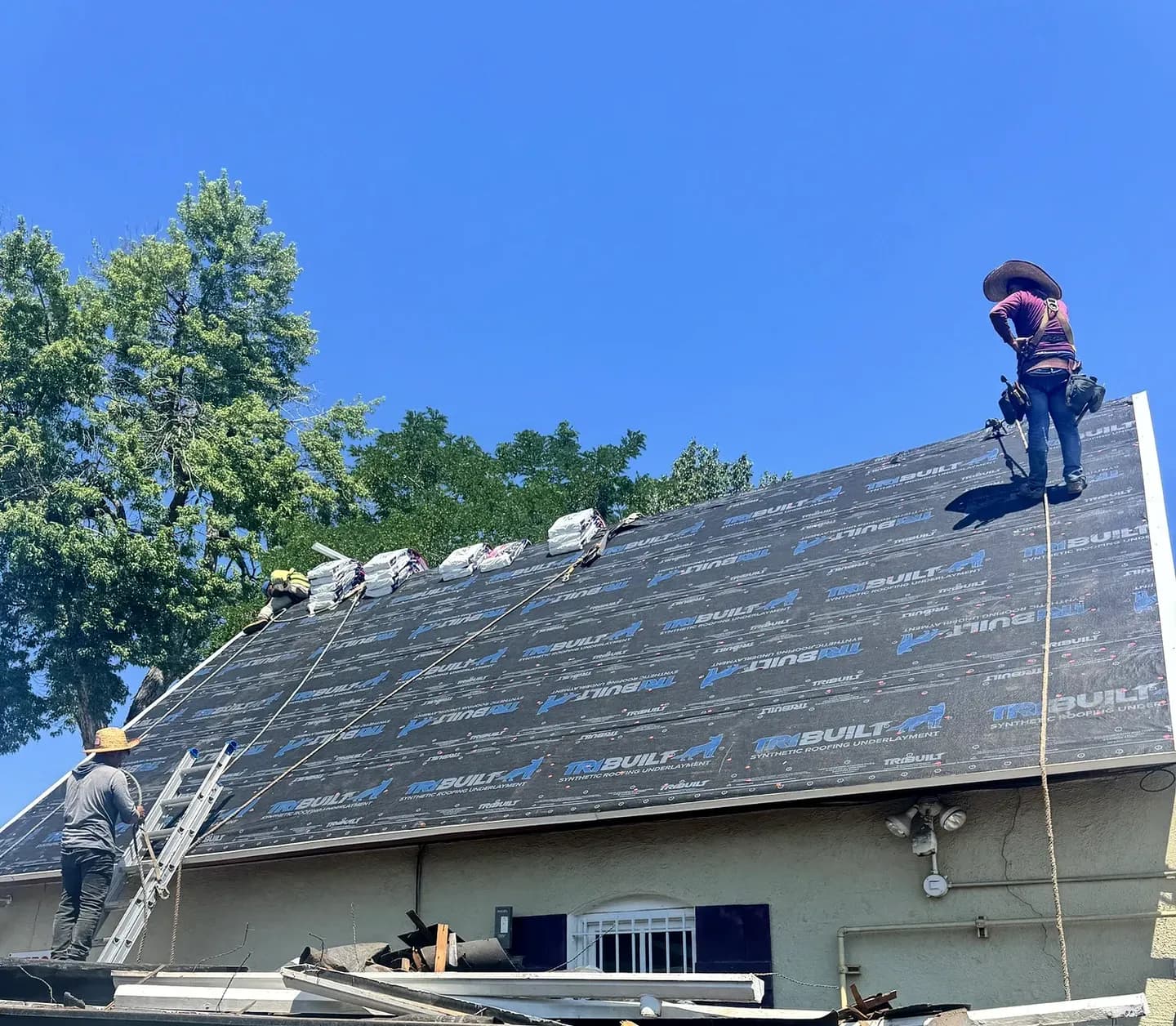
With the claim approved, the crew started stripping the roof, and the building started telling its history. Under the top layer of asphalt shingles was another asphalt layer in red, and under that were the original wood shakes, still nailed down from whenever this roof was first built. Three roofing systems, stacked.
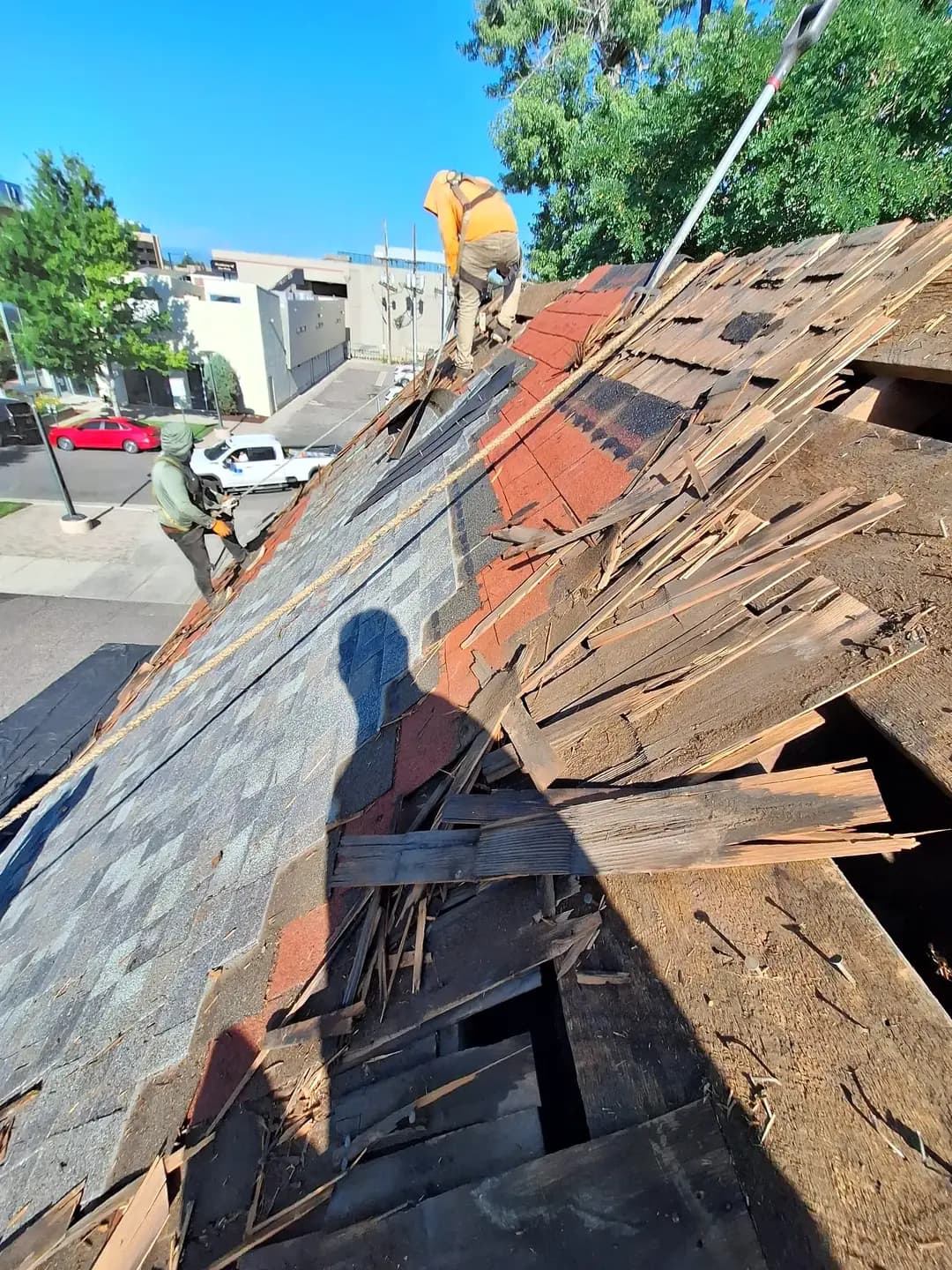
Layering a new roof over an old one is a shortcut somebody takes to save a tear-off, and it hides problems rather than fixing them. Each layer adds weight, traps heat, and makes it impossible to see the condition of the wood underneath. It also makes the next roofer's job bigger, which is exactly what happened here.
The Real Find: No Solid Deck
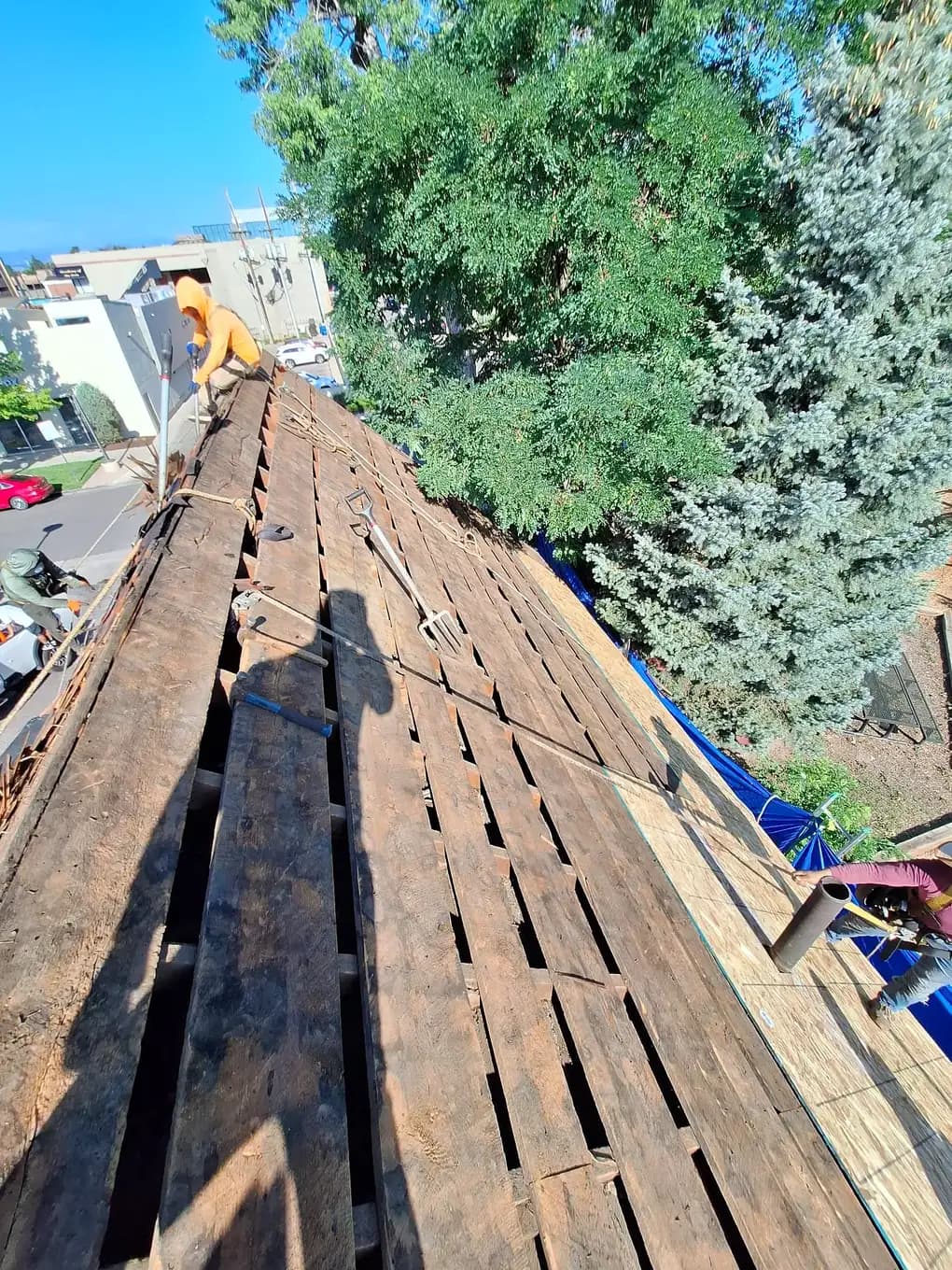
Once the shakes came off, the actual problem was in plain view. There was no plywood or OSB under this roof at all. The original wood shakes had been nailed to spaced board decking, rows of 1-inch boards with open gaps between them. That was standard practice when the house was built, and it was correct for wood shakes, which are meant to breathe from below. It is not a deck an asphalt shingle can be installed over.
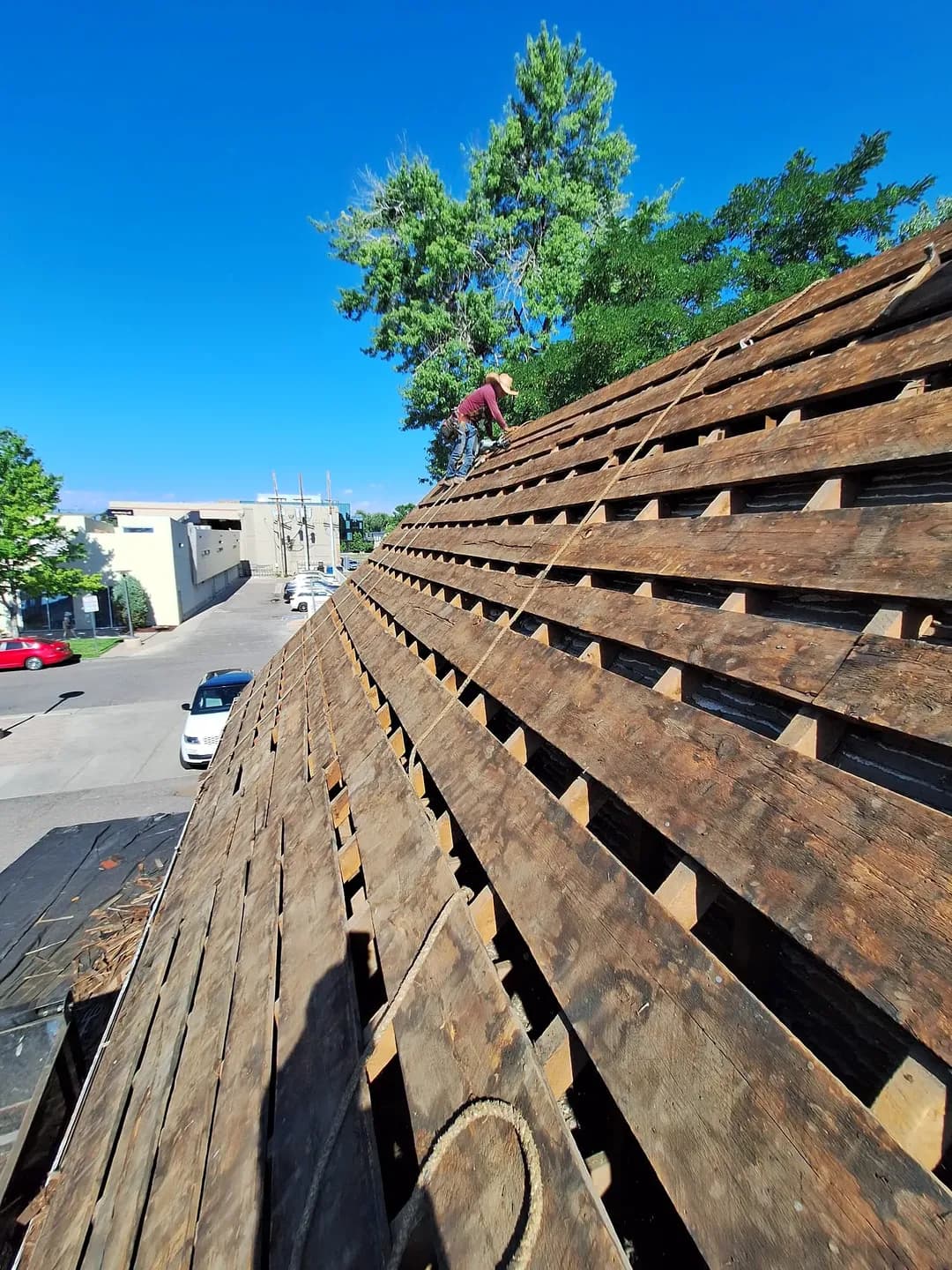
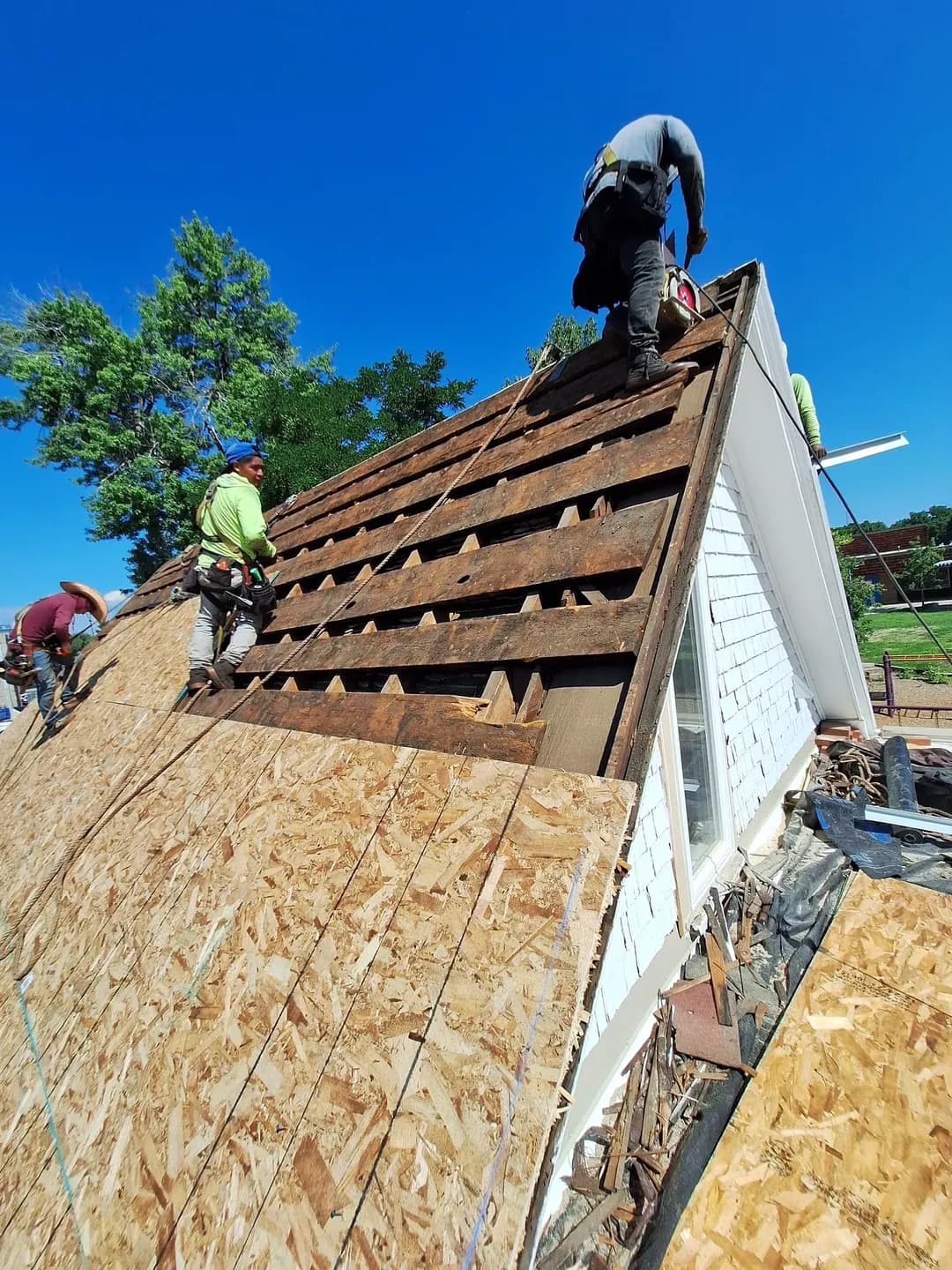
Asphalt shingles need a continuous, solid surface to nail into. Nails driven into a gap hold nothing, the shingles telegraph every board line, and the roof has no shear strength. So the entire roof had to be re-decked, every slope, before a single shingle could go on.
This is the part homeowners and business owners get blindsided by, and it is the reason it matters who writes the claim. A re-deck discovered halfway through a tear-off, on a roof already open to the sky, is an emergency conversation about money. Caught and documented properly, it is a supplement the carrier pays. On older Denver houses, especially anything old enough to have worn wood shakes, re-decking should be expected, not treated as a surprise.
The New Roof
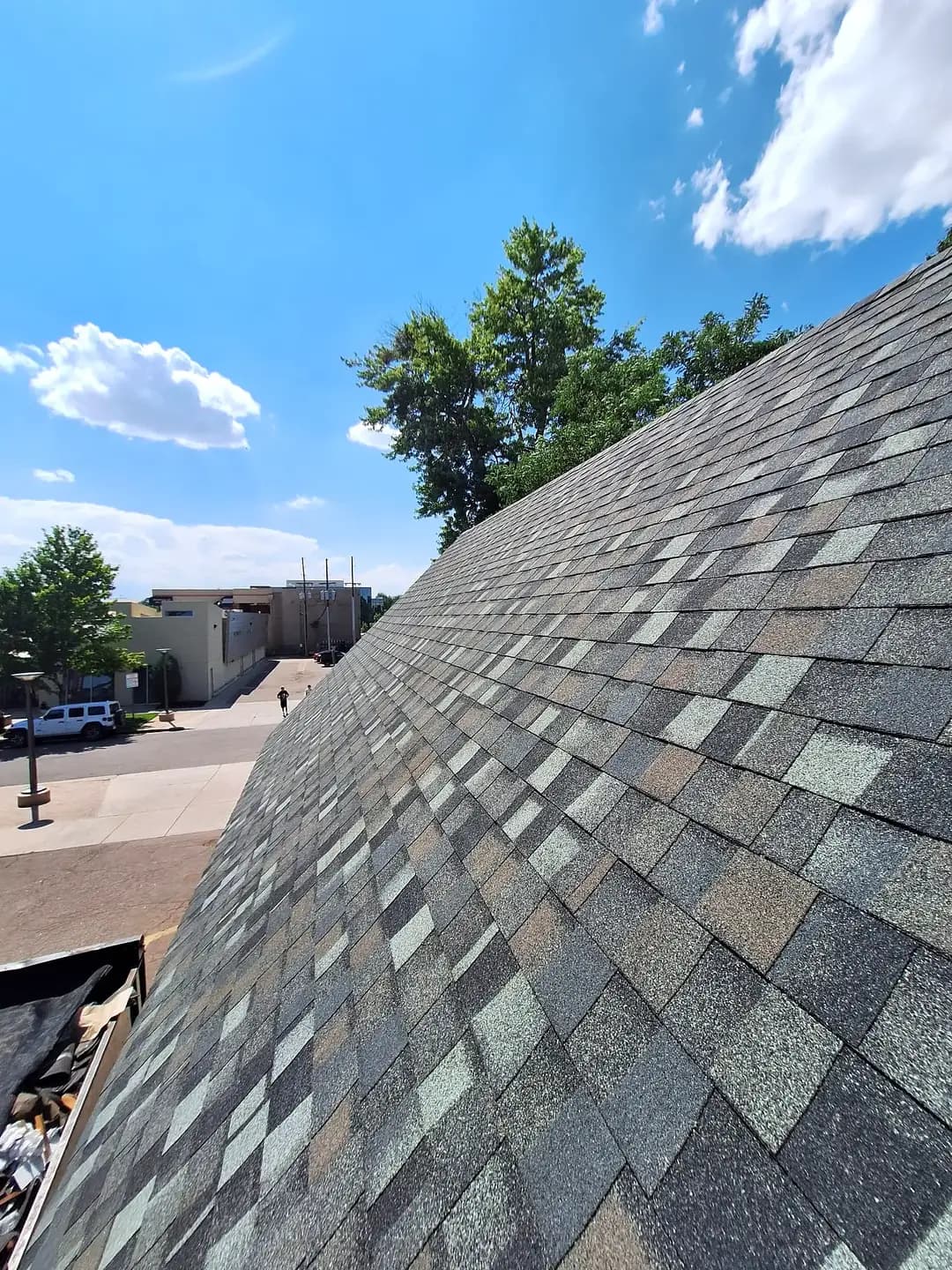
On top of the new deck the crew ran synthetic underlayment, set new drip edge and step flashing, and installed IKO Nordic IR, a Class 4 impact-resistant architectural shingle. Nordic uses an SBS polymer-modified asphalt, a rubberized formulation that stays flexible and absorbs an impact instead of cracking, and it carries the Class 4 rating from the UL 2218 steel-ball impact test, the highest rating a shingle can earn. The hips and ridges were capped with the matching IKO Ultra HP hip and ridge in the same impact-rated line, so the most exposed courses on the roof are not the weakest.
The Result
The business kept its doors open, and the building came out of the storm with a roof that is better than anything it has had: a solid deck for the first time in its life, current flashing and edge metal, and an impact-rated shingle built for the hail that will come back. Because the re-deck was documented as part of the loss instead of discovered as a surprise, it was handled inside the approved claim rather than becoming a mid-project bill the owner had not planned for.
Why Class 4 Shingles Matter in Denver
The Front Range takes some of the most expensive hail in the country, and Denver sits in the middle of it. A Class 4 impact-resistant shingle is built to take that hit, and most Colorado carriers offer a standing premium discount for installing one, which means the upgrade can pay for part of itself every year. We go through the math in our guide to Class 4 impact-resistant shingles in Colorado.
Why CRC for an Older Denver Roof
Older buildings do not give up their surprises until the roof is open, and by then the wrong contractor is asking the owner for more money. CRC inspects for what is likely underneath before the claim is written, documents it for the carrier, and prices the real scope. Our Denver office serves the Front Range, installs architectural and impact-resistant shingle roofs, and handles storm and hail insurance claims for homes and for the small businesses that operate out of them.
Get a Storm-Damage Roof Assessment
If hail has moved through Cherry Creek or anywhere along the Front Range, and especially if your building is old enough to have wood shakes buried under it, find out what you actually have before you need to. Call our Denver office at (720) 893-7663 or click to request a free roof inspection.
Talk to the team nearest you: our Denver office, our Grand Junction office, or our Scottsbluff office.