Residential Roofing
Class 4 Impact-Rated Shingles in Colorado: Worth the Upgrade?
By James Rhoades, Commercial Roofing Contractor · May 29, 2026
- Hail Damage
- Asphalt Shingles
- Insurance Claims
- Material Comparison
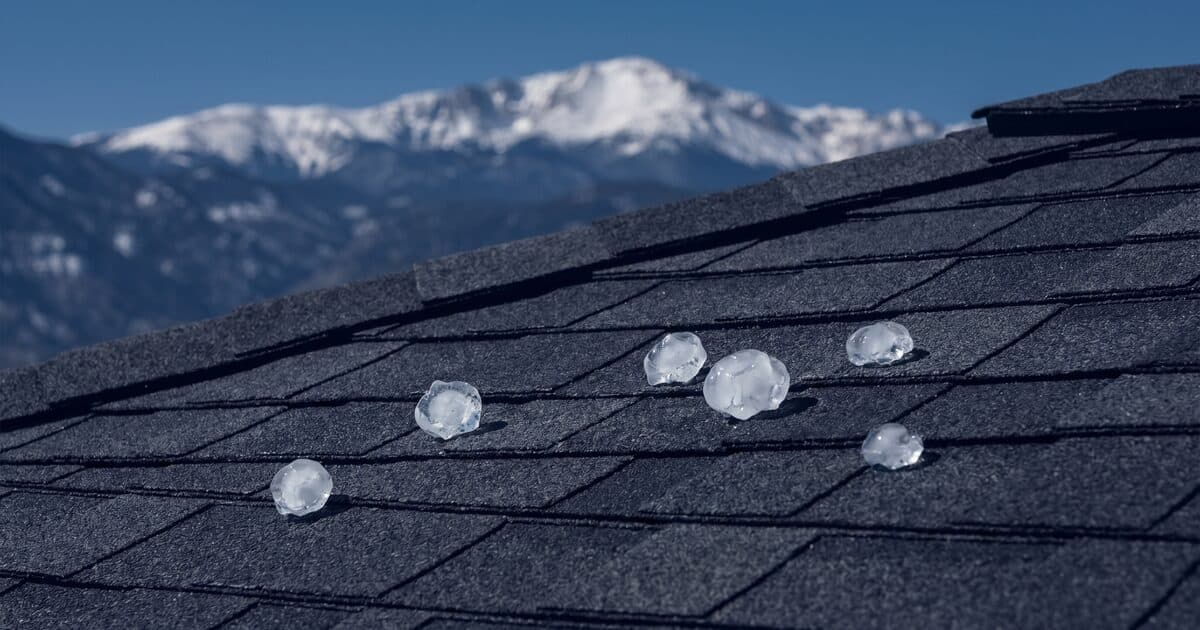
Short answer: For most Front Range homeowners, Class 4 impact-rated shingles are worth the upgrade. They cost roughly 10 to 20 percent more than standard architectural shingles, but they resist hail far better and qualify for insurance premium discounts that several major Colorado carriers offer. In high-frequency hail zones like the Castle Rock to Aurora corridor, the combination of fewer claims and annual premium savings usually offsets the upgrade within a handful of years. Always confirm the exact discount with your own insurer first.
If you live anywhere along Colorado's Front Range, hail is not a question of if but when. That makes Class 4 shingles one of the few roofing upgrades that can pay for itself. Here is what the rating means, what it actually saves, and where the math works hardest.
What "Class 4" Means: The UL 2218 Test
The "Class 4" rating comes from UL 2218, an impact-resistance standard from UL (Underwriters Laboratories). In the test, a steel ball is dropped from a set height onto the roofing material to simulate hail impact. Materials are rated Class 1 through Class 4, with Class 4 being the highest. A Class 4 shingle must resist cracking, splitting, or rupture of the reinforcing mat after the impact.
There is also a related standard, FM 4473, which uses launched ice balls instead of steel. Both are recognized by insurers as impact-resistance tests. When a shingle is labeled Class 4, IR, or impact-resistant, it has passed one of these.
Class 4 asphalt shingles are widely available from major manufacturers. Commercial Roofing Contractor installs impact-rated lines from GAF, Malarkey, TAMKO, and IKO, including Malarkey's NEX polymer-modified shingles that are built for impact resistance in hail-prone markets. As a certified contractor with these manufacturers, we can also qualify your roof for extended warranty coverage. You can review our manufacturer certifications and credentials for the full list.
Class 4 vs Standard Shingles: Lifespan and Durability
| Shingle type | Impact resistance | Typical lifespan | Relative cost |
|---|---|---|---|
| 3-tab asphalt | Lowest; prone to hail cracking | About 15 to 20 years | Lowest |
| Architectural (dimensional) | Better than 3-tab, not impact-rated | About 25 to 30 years | Mid |
| Class 4 impact-rated | Highest (UL 2218 Class 4) | Comparable to or better than architectural | About 10 to 20% more than architectural |
A Class 4 shingle does not make your roof hail-proof. Severe hail can still cause damage, and impact resistance is about the mat surviving impact, not a guarantee against all loss. What it does is sharply reduce the odds of functional damage from the small-to-moderate hail that hits the Front Range most years.
The Insurance Discount: What Colorado Carriers Actually Offer
This is where the math gets interesting. Because Class 4 roofs file fewer hail claims, several major carriers reward them with premium discounts. Reported programs and ranges from Colorado-active carriers include the following.
| Carrier | Reported Class 4 / impact-resistant treatment |
|---|---|
| State Farm | Lists Colorado among states offering an impact-resistant roofing discount; reported credits have ranged up to roughly 35% in high-hail areas |
| USAA | Reported discounts up to about 15% |
| American Family | Reported reduced rating for impact-resistant roofs |
| Farmers | An agent-reported discount as high as about 27% |
| Allstate | Offers discounts; specific percentages not publicly listed |
Treat these numbers as reported ranges, not promises. The exact discount depends on your carrier, your policy, your location, and current filings, and discounts typically apply to a portion of the premium rather than the whole bill. Several roofing sources put typical Colorado savings in the range of $200 to $700 per year, with break-even on the upgrade often landing in roughly 3 to 7 years.
Documentation is required: Carriers generally require manufacturer certification that the installed product is a true UL 2218 Class 4 shingle. A certified contractor provides this paperwork at installation. Without it, you cannot get the discount, so confirm your roofer supplies certification before signing.
Where the Math Works Hardest in Colorado
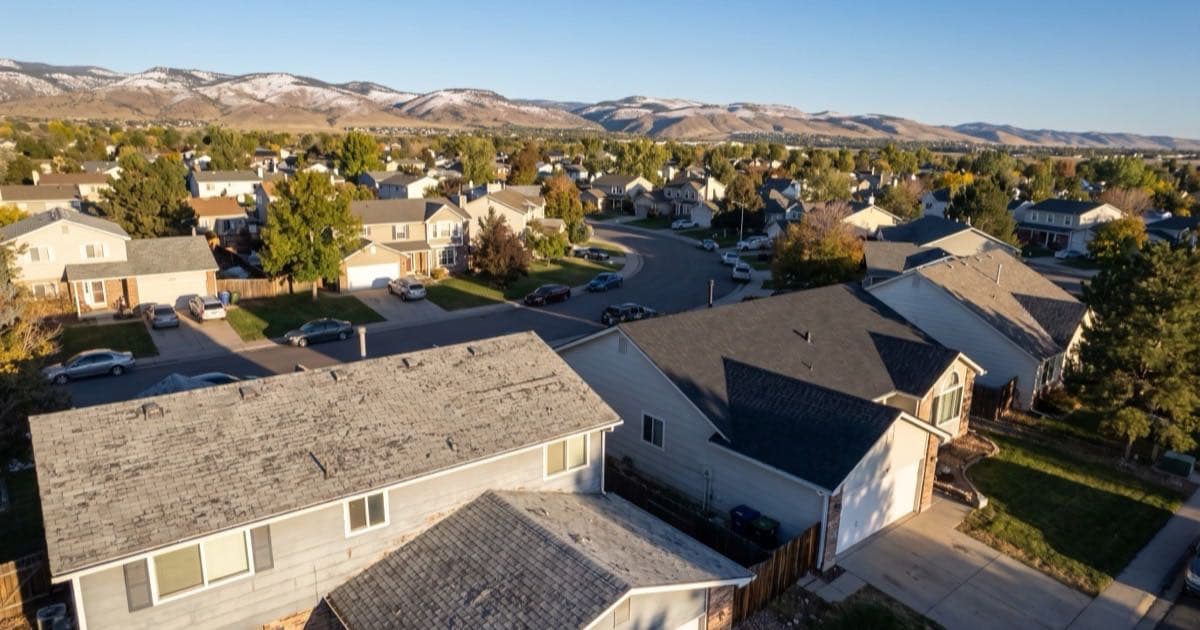
Class 4 pays off fastest where hail is most frequent and premiums are highest. Colorado's heaviest hail exposure runs along the Front Range corridor.
- The Castle Rock through southeastern Denver into Aurora corridor sees some of the most concentrated hail activity in the state, with peak risk in a tight late-May-through-mid-June window.
- Denver Metro suburbs like Lakewood, Aurora, Thornton, and Westminster are regularly impacted.
- Colorado Springs sits squarely in the hail corridor and has taken several catastrophic events.
- Greeley and Weld County regularly top the state for total hail reports each year.
- Boulder and Broomfield see a slightly later June peak.
If your home sits in one of these zones, the upgrade math is strongest because you face both higher claim odds and, often, higher premiums. On the Western Slope around Grand Junction, hail exposure is generally lower than the Front Range, so the payback is more dependent on your specific premium and carrier discount. The best move is to check historical hail activity for your exact address and ask your agent what they will credit.
So, Is It Worth It?
For most Front Range homeowners replacing a roof anyway, yes. You are already paying for labor and tear-off, so the marginal cost of stepping up to Class 4 is small relative to the protection and the recurring premium discount. The strongest case is a home in a high-frequency hail zone with a carrier that offers a meaningful discount. The weakest case is a low-hail location with a carrier that offers little or no credit. Run your own numbers with your agent before deciding.
If you are replacing a roof after a storm, you can often use the claim proceeds to upgrade to Class 4 at the same time. Commercial Roofing Contractor installs the full range of asphalt shingle roofing, from standard architectural to Class 4 impact-rated, and manages the insurance claim, including supplying the manufacturer certification carriers require for the discount. Learn how that process works on our hail damage insurance claims page, or call our Denver office at (720) 893-7663 or Grand Junction office at (970) 877-7663 for a free inspection.
Frequently Asked Questions
How much do Class 4 shingles cost vs standard shingles?
Class 4 impact-rated shingles typically run about 10 to 20 percent more than standard architectural shingles. The exact premium depends on the product line and your roof's size and complexity. If you are weighing the upgrade purely on hail performance, it is worth pricing residential metal roofing alongside it, since metal dents where a shingle fractures and carries a far longer service life.
How big an insurance discount will I get?
It varies by carrier and location. Several Colorado-active carriers offer impact-resistant roofing discounts, with reported credits ranging from roughly 10 percent up to about 35 percent in high-hail areas on a portion of the premium. Confirm the exact figure with your own insurer before assuming a number.
Do Class 4 shingles make my roof hail-proof?
No. They are impact-resistant, not impact-proof. Severe hail can still cause damage. Class 4 sharply reduces the chance of functional damage from the small-to-moderate hail that is most common along the Front Range.
What documentation do I need for the discount?
Most carriers require manufacturer certification that the installed shingle is a genuine UL 2218 Class 4 product. Your roofing contractor should provide this at installation. Keep it for your insurer.
Are Class 4 shingles worth it on the Western Slope near Grand Junction?
The case is weaker than on the Front Range because Western Slope hail exposure is generally lower. The payback depends more on your specific premium and your carrier's discount, so check your address's hail history and ask your agent.
Will a Class 4 roof help when I sell my home?
It can. A Class 4 roof signals better hail protection and lower insurance costs, which Colorado buyers in hail-prone areas often value.
Is UL 2218 the same as FM 4473?
They are different tests for the same purpose. UL 2218 drops a steel ball, while FM 4473 launches an ice ball. Both are recognized by insurers as impact-resistance standards, and a Class 4 designation reflects the top tier.

Talk to the team nearest you: our Denver office, our Grand Junction office, or our Scottsbluff office.