
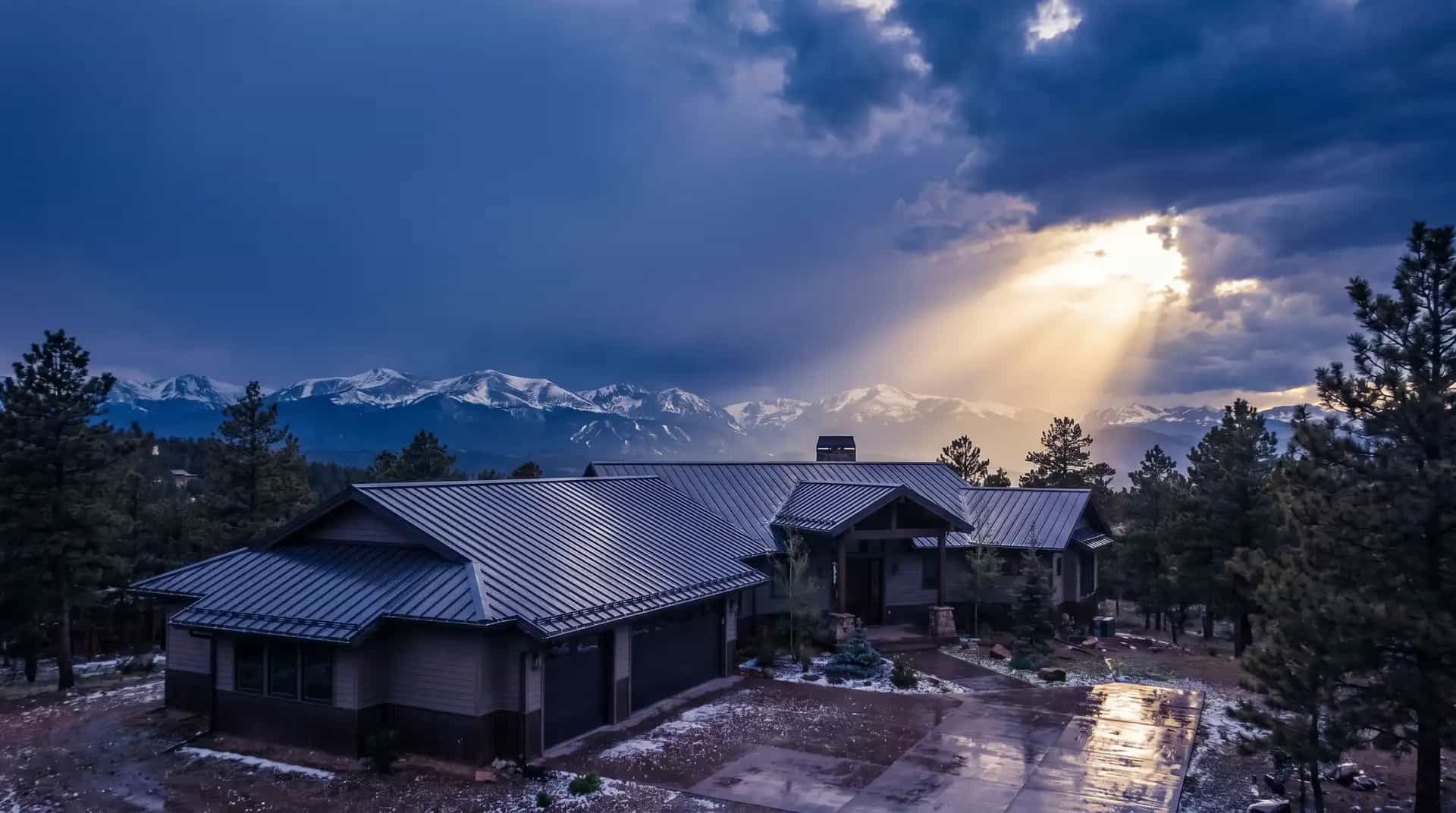
Commercial Roofing Contractor manages your Scottsbluff storm damage insurance claim end to end, from the first free inspection through final repair, meeting your adjuster on site and filing supplements to recover the hidden damage, code-required upgrades, and full repair scope that a carrier's first estimate routinely leaves out. We run a staffed office at 16 W 17th St, Scottsbluff, NE 69361 and have roofed across the Panhandle since 2001, so a local, Haag Certified team handles your claim start to finish.
Nebraska, Not Colorado
How Nebraska Storm Claims Differ
Nebraska and Colorado both sit in Hail Alley, but they are governed by different insurance law. If you found us through our Colorado claims guide, here is what changes in the Panhandle, so you rely on the rules that actually apply to you.
| Topic | Colorado | Nebraska |
|---|---|---|
| Deductible waiver | Prohibited (C.R.S. 6-22-105) | Also prohibited (44-8604) |
| Right to cancel | 72 hours / after denial | 3 business days / after denial (44-8603) |
| Insurer bad faith | Statutory: up to 2x benefit + fees | No statute; court-recognized claim only |
| Suit deadline (written contract) | 3 years | 5 years (25-205) |
| Roofer licensing | Local only | State registration (48-2101+) |
Nebraska Law
Your Rights as a Nebraska Policyholder
Your deductible cannot be rebated
A residential contractor may not promise to rebate any part of your insurance deductible to win the job. We never waive, pay, or rebate deductibles.
Right to cancel after a denial
For insurance-funded work, you may cancel through the third business day after signing, or the third business day after your insurer notifies you the claim is not covered. Payments are refunded within ten days.
Fair, prompt claim handling
Nebraska's Unfair Insurance Claims Settlement Practices Act requires insurers to investigate and settle claims promptly and in good faith. It is enforced by the Department of Insurance.
You control your own claim
Only a licensed public adjuster may negotiate or settle a claim for a fee, and they may not also profit from the repairs. We document and support your claim; you file and control it.
Five years on a written contract
An action on a written contract in Nebraska generally must be brought within five years, though your policy may set a shorter suit-limitation period. Confirm the deadline in your policy.
Contractors must be registered
Nebraska has no statewide roofing license, but contractors must register with the Department of Labor. Verify any contractor is registered, insured, and local before signing.
Deductibles are where most Panhandle claims get expensive in ways people did not expect. If your policy carries a separate wind and hail deductible, and many here do, see how Scottsbluff wind and hail deductibles work for what a percentage deductible actually costs against a flat one, and how to find yours on your declarations page.
How We Help
What Our Scottsbluff Team Does on Your Claim
We document; you file
We perform a free, detailed roof and exterior inspection with photos and measurements, then give you a written condition report. You open and control your own claim with your carrier. Under Nebraska law we cannot negotiate or settle it for a fee, and we do not.
We meet your adjuster on site
We walk your adjuster through every documented damage point and raise the items ground-only inspections miss. When the initial scope is short, we prepare and submit a supplement with full documentation.
We restore to spec
Once the full scope is approved, we complete repairs to manufacturer specification and local code for both residential and commercial roofs, then submit the final invoice to release your depreciation.
We are local and stay local
When out-of-state storm crews leave, our Scottsbluff office is still here to honor warranties and stand behind the work across Scottsbluff, Gering, Mitchell, and the surrounding Panhandle.
The step-by-step claim process is the same one we use statewide in Colorado. See our full storm damage insurance claims guide for the seven-step walkthrough, or the Scottsbluff office page for local contact details.
Full Exterior
Your Roof Is Rarely the Only Thing a Panhandle Storm Damages
Panhandle hail arrives with open-country wind behind it, so the impacts land at an angle and the damage spreads well past the roof deck. The same storm that bruises shingles or punctures a commercial membrane also dents gutters, splits siding, tears screens, and pits rooftop equipment. Most of that belongs to the same claim, under the same date of loss. We inspect and document the whole exterior, then restore it.
What the storm hits besides the roof
Components that get overlooked when an inspection stops at the roofline:
- Siding, panels, and trim (cracks, holes, and impact bruising)
- Gutters, downspouts, and guards (denting and separation)
- Fascia, soffit, and metal wrap around windows and doors
- Garage and overhead doors, where denting affects operation as well as looks
- Window screens, frames, and exterior glass
- Fences, gates, and deck surfaces
- Air conditioner and heat pump condenser fins
- Exterior light fixtures, vents, and coated surfaces
On commercial and multifamily buildings that list extends to rooftop HVAC units and their fins and housings, parapet caps and coping, perimeter flashing, exterior doors, and clad wall panels. It also covers how the building sheds water: drain strainers, scuppers, conductor heads, and downspouts flatten and crush under hail just as readily as a house gutter, and a new membrane draining through crushed components is not a finished roof.
One contractor for the whole exterior
Commercial Roofing Contractor is a licensed general contractor, not a roofing-only trade. Siding, gutters and downspouts, windows and screens, fascia and soffit, fencing and decks are self-performed by our own crews. Separately licensed trades work differently: we do not hold a mechanical license, so rooftop HVAC goes to a licensed mechanical contractor that we bring in and manage through the claim. Either way it stays on one contract, one schedule, and one point of contact, instead of leaving you to line up three trades yourself while the claim clock runs.
Why it gets left out of the first estimate
Initial estimates concentrate on the roof because it is the largest and most obvious loss, and adjusters often work quickly and from the ground. Anything the first pass misses comes out of your pocket unless it is documented. We photograph every damaged component in one visit, tie it to the same date of loss, and submit a supplement when the approved scope falls short. Whether a given component is covered still depends on your policy and the adjuster's determination.
Scottsbluff Code Requirements That Affect a Claim
A hail or wind claim pays to put a roof back, but the roof that goes back on has to meet current code, and in Scottsbluff two requirements regularly push the real scope past an adjuster's first estimate. Both are worth raising early rather than discovering them at permit review.
Every layer comes off. Under the 2018 International Building Code, Section 1511.3, a roof replacement in Scottsbluff must include removal of all existing layers of roof covering down to the roof decking. Section 1511.3.1.1 also does not permit a roof recover where the existing roof already carries two or more applications of any type of roof covering. If your building has layered roofs, a recover is not on the table and the tear-off is larger than a single-layer job.
Insulation has to reach R-30. The 2018 International Energy Conservation Code sets an R-30 insulation value for Scottsbluff. On an older low-slope commercial roof that usually means adding insulation thickness rather than simply replacing the membrane, which then affects edge details, flashing heights and drainage. It is a code-driven scope item, not an upgrade anyone is choosing.
Many commercial policies carry ordinance or law coverage intended for exactly this situation, though limits and terms vary and we cannot tell you what your policy covers. What we can do is document the code-required scope clearly and put it in front of your adjuster in writing, so the conversation happens before the work rather than after the invoice.
This is a summary to help you plan, not a compliance determination. The City of Scottsbluff Development Services is the authority on what your specific roof requires, and we always confirm current requirements with them before we scope a job. Several Colorado jurisdictions changed their adopted codes during 2026, so we re-verify against each department's own published codes rather than working from memory. Source: Scottsbluff Code of Ordinances Article 4-1 (sections 4-1-2, 4-1-10 and 4-1-10.1), the City's published Scottsbluff and Terrytown Roofing Requirements sheet, NOAA National Centers for Environmental Information storm and climate records for Scotts Bluff County, and re-roofing and energy requirements confirmed by City of Scottsbluff Development Services. Last verified July 2026.
Hit by the Storm? Get a Free Panhandle Inspection
We inspect your roof at no cost, document the damage with photos, and give you a straight answer on whether you have a claim worth filing. No pressure, no obligation.
Nebraska Storm Damage Insurance Claims: Frequently Asked Questions
How long do I have to file a hail or storm damage insurance claim in Nebraska?
Your Nebraska homeowners policy sets its own deadline for notifying the carrier, so report the storm and open your claim promptly. Separately, an action on a written contract in Nebraska generally must be brought within five years under Neb. Rev. Stat. section 25-205, though a property insurance policy may set a shorter contractual suit-limitation period, so check your policy. The longer you wait, the harder it becomes to prove the storm caused the damage.
Can a roofing contractor waive or pay my insurance deductible in Nebraska?
No. Under Neb. Rev. Stat. section 44-8604, a residential contractor may not promise to rebate any portion of your insurance deductible as an inducement to buy goods or services. Commercial Roofing Contractor never waives, pays, or rebates deductibles. A contractor who offers to is breaking Nebraska law, and it can jeopardize your claim.
Can I cancel a roofing contract if my insurance claim is denied in Nebraska?
Yes. Under Neb. Rev. Stat. section 44-8603, when the work is to be paid from property and casualty insurance proceeds, you may cancel the contract before midnight on the later of the third business day after you sign, or the third business day after your insurer notifies you in writing that all or part of the claim is not a covered loss. The contractor must return your payments within ten days, though it may keep the reasonable value of any emergency work you agreed in writing was needed to prevent further damage.
Does Nebraska have the same insurer bad-faith penalties as Colorado?
No. Colorado law provides a statutory remedy of up to two times the covered benefit plus attorney fees for unreasonable delay or denial. Nebraska has no equivalent statute. Nebraska's Unfair Insurance Claims Settlement Practices Act, Neb. Rev. Stat. sections 44-1536 to 44-1544, sets standards for prompt, fair claim handling, but it is enforced by the Nebraska Department of Insurance rather than through a private lawsuit. Nebraska courts do separately recognize an insurer bad-faith claim, so if you believe your claim was handled unreasonably, speak with an attorney about your specific situation.
Can my roofer negotiate my insurance claim for me in Nebraska?
Generally no. Under Nebraska's Public Adjusters Licensing Act, a person who for compensation negotiates or settles an insured's claim is acting as a public adjuster and must be licensed (Neb. Rev. Stat. sections 44-9203 and 44-9204), and a public adjuster may not also hold a financial interest in the repair work (section 44-9217). Our role is different and allowed: we document your damage, provide a detailed report, and meet your adjuster on site, but you file and control your own claim. We never negotiate or settle it for a fee.
Do roofing contractors have to be licensed in Nebraska?
Nebraska does not issue a statewide roofing occupational license, but contractors doing business in the state must register with the Nebraska Department of Labor under the Contractor Registration Act, Neb. Rev. Stat. sections 48-2101 to 48-2117. Any competency licensing is handled locally by city or county. Always confirm a contractor is registered, insured, and locally established before signing, especially after a large storm.
Does CRC have a local Scottsbluff office for Panhandle insurance claims?
Yes. We operate a staffed office at 16 W 17th St, Scottsbluff, NE 69361 and have worked across the Nebraska Panhandle since 2001. We handle hail and wind insurance claims from free inspection through final restoration for Scottsbluff, Gering, Terrytown, Mitchell, and the surrounding communities, for both residential and commercial property.
See all roofing FAQs. Grouped by topic: commercial and residential decisions, cost, insurance claims, storm response, warranties, and financing.
Related Resources
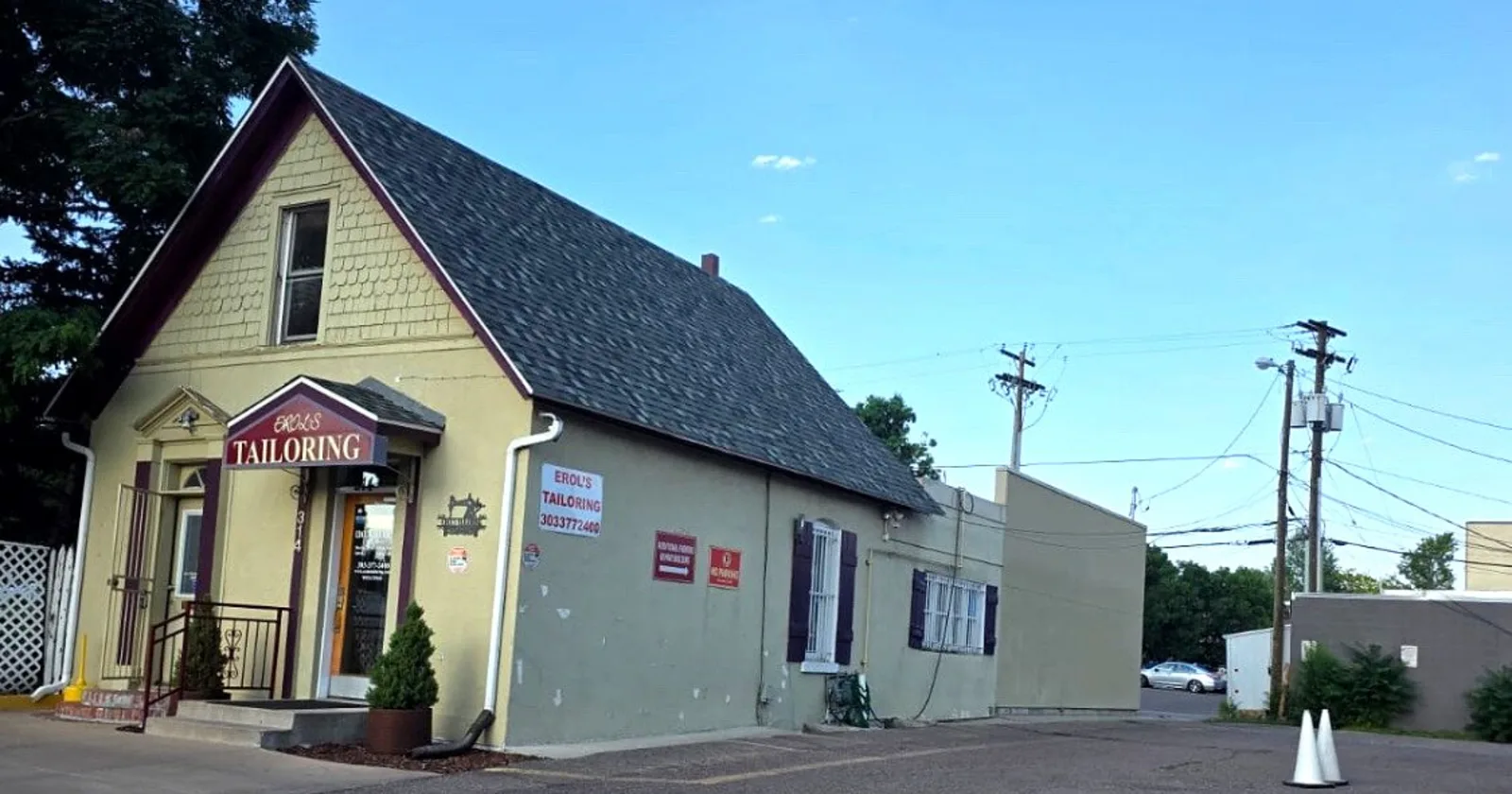 ProjectDenver, CO
Class 4 Shingle Roof & New Decking in Cherry Creek, Denver
View project →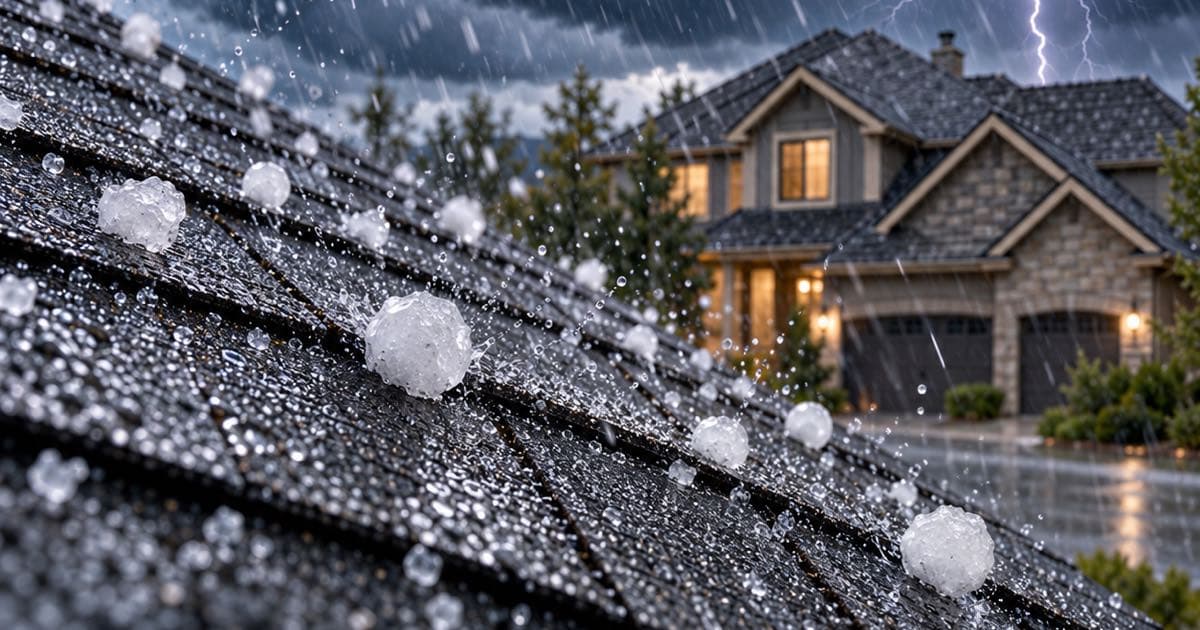 BlogResidential Roofing
TAMKO HailGuard Shingles and MasterShield Warranties: Roofing Protection in Colorado and Nebraska
Read more →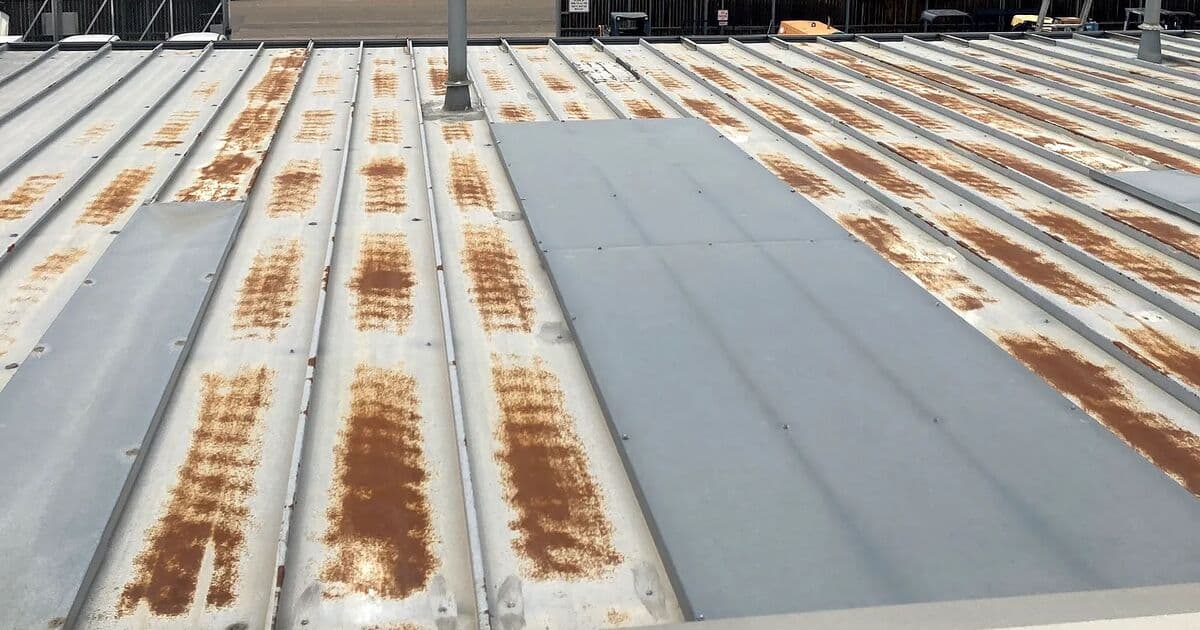 BlogCommercial Roofing
Commercial Metal Roof Repair in Colorado and the Nebraska Panhandle
Read more →
This page is for general information only and is not legal, insurance, or tax advice. Nebraska statutes and insurance practices change, and how any law applies depends on your specific policy and situation. Confirm details with your insurer, agent, or a qualified professional before acting. Statute references are provided for convenience and may not reflect the most current law.
CRC Serving You From Three Offices
Available from all three offices: Denver, Grand Junction, and Scottsbluff, plus surrounding service areas.
Denver Office
Denver Metro and Front Range
(720) 893-7663
Grand Junction Office
Western Slope
(970) 877-7663
Scottsbluff Office
Nebraska Panhandle
(308) 536-7663