
Residential Roofing
How Much Does a Roof Replacement Cost in Colorado? (2026)
By Chris Sanchez, Commercial Roofing Contractor · July 6, 2026
- Roof Replacement
- Cost
- Pricing
- Insurance Claims
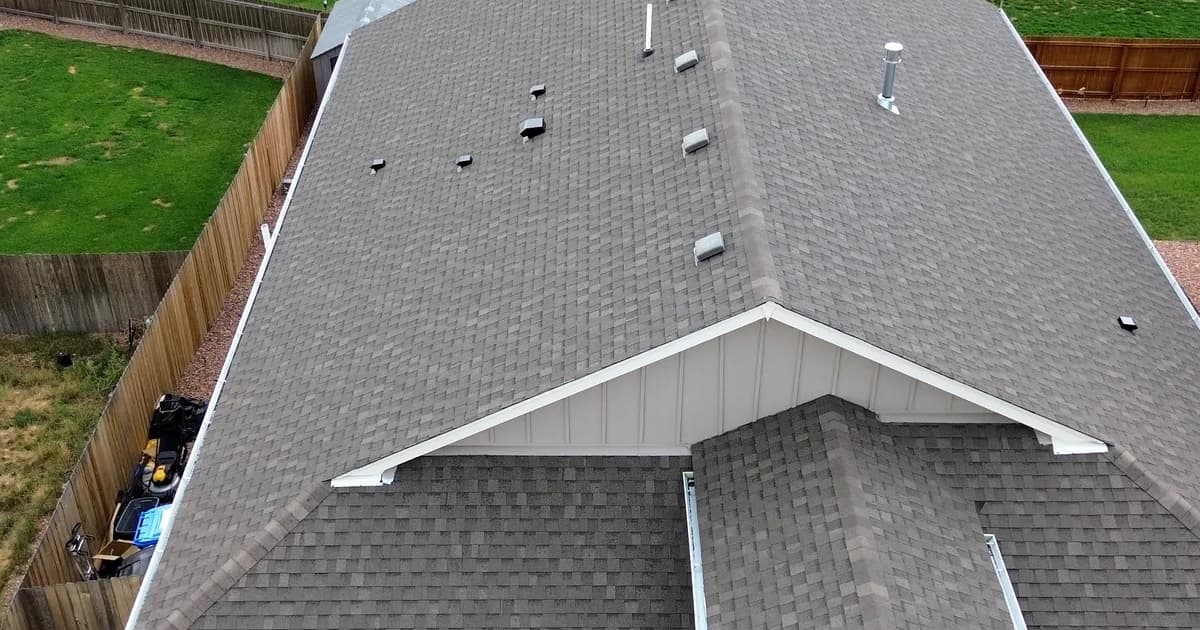
Short answer: In 2026, a full asphalt shingle roof replacement in Colorado typically runs about $4.50 to $7.00 per square foot installed, which puts most single-family homes in the $9,000 to $20,000 range. A common 2,000-square-foot roof usually lands around $10,500 to $16,000 for architectural shingles with tear-off. Metal roofing runs roughly two to three times more. The final number depends on roof size, pitch, material, decking condition, and whether the work is tied to a hail insurance claim.
"How much does a new roof cost" is the first question most Colorado homeowners ask, and the honest answer is "it depends." But it depends on a predictable set of factors, and you can get close to a real number before anyone climbs on your roof. Here is how pricing works in the Denver Metro, the Front Range, and the Western Slope in 2026. It is rarely the only question, either: the ones that follow it, about deductibles, warranty length, and whether a repair buys enough time to wait, are answered in our roofing FAQ.
Roof Replacement Cost by Size
Roofers price by the square, which equals 100 square feet of roof surface. Note that your roof area is larger than your home's floor area because of pitch and overhangs. A 1,700-square-foot home often has roughly 2,000 square feet of roof.
Using a 2026 Colorado range of about $4.50 to $7.00 per square foot for architectural asphalt shingles with tear-off, here is what typical homes run.
| Roof size | Squares | Typical installed cost (architectural asphalt) |
|---|---|---|
| 1,200 sq ft | 12 | About $7,500 to $12,000 |
| 1,500 sq ft | 15 | About $8,500 to $13,500 |
| 2,000 sq ft | 20 | About $10,500 to $16,000 |
| 2,500 sq ft | 25 | About $13,000 to $19,500 |
| 3,000 sq ft | 30 | About $15,500 to $23,000 |
These are planning ranges, not quotes. Colorado pricing tends to run above the national average because of high skilled-labor demand (especially after storms), altitude and climate code requirements, and material costs. Cost-guide data commonly cites a Colorado labor-and-materials index well above the national baseline.
Cost by Roofing Material
Material is the biggest single driver of where you land.
| Material | Typical installed cost per sq ft | Notes |
|---|---|---|
| 3-tab asphalt shingle | About $4.00 to $5.50 | Lowest cost, shortest lifespan, less wind/hail resistance |
| Architectural (dimensional) asphalt | About $4.50 to $7.00 | The Colorado default; better wind and hail performance |
| Class 4 impact-resistant asphalt | About 10 to 20% more than architectural | Hail resistance plus possible insurance discounts |
| Standing seam metal | About $9.00 to $16.00+ | Two to three times asphalt; 40 to 70 year lifespan |
| Tile (concrete or clay) | $20.00+ | Heavy; may require a structural assessment |
For most Front Range homes, architectural or Class 4 asphalt is the practical choice given hail and wind exposure. We compare the hail-resistance and insurance angle in detail in our Class 4 impact-rated shingles guide, and we weigh the longer-term metal-versus-asphalt decision in our metal roof vs asphalt shingles guide.
What Drives the Price Up or Down
Two homes the same size can quote thousands apart. These are the variables that move the number.
- Pitch and complexity. Steep roofs need extra safety equipment and slow the crew. Multiple valleys, dormers, skylights, and chimneys add flashing work and labor.
- Tear-off and disposal. Removing the old roof and hauling debris is real cost. Two existing layers cost more to remove than one.
- Decking repair. If the crew finds rotted or damaged sheathing under the old roof, replacement is added, often in the range of $4 to $8 per square foot of affected decking in this market. A reputable contractor writes a decking allowance into the contract so you are not surprised.
- Underlayment, flashing, and ventilation. Synthetic underlayment, ice-and-water shield, new flashing, drip edge, and proper ventilation are part of a quality system. Skipping them lowers the price and shortens the life.
- Permits. Most Colorado jurisdictions require a roofing permit. Denver County, for example, charges a permit fee, and that cost is part of the job.
- Material grade and warranty. Premium shingle lines and longer manufacturer warranties cost more upfront.
How a Hail Insurance Claim Changes the Math
Here is the part unique to Colorado. Many roof replacements along the Front Range are paid through a hail or wind insurance claim, not out of pocket. When that is the case, your real cost is often just your deductible, not the full price of the roof.
Two things matter:
- Your deductible. Many newer Colorado policies use a percentage-based wind/hail deductible, often 1 to 2 percent of insured value, which can be far higher than an old flat deductible. We break this down in our guide to reading your homeowners policy before hail.
- RCV vs ACV. On a Replacement Cost Value policy, the insurer ultimately pays the full replacement cost minus your deductible. On an Actual Cash Value policy, they pay replacement cost minus depreciation, leaving a larger gap for you to cover.
Because storm timing drives demand, contractors often book six to eight weeks out after a major hail event and prices firm up. Having a relationship with a roofer before storm season, and a documented inspection on file, puts you ahead of the rush.
Does Cost Vary Across Colorado?
Pricing is reasonably consistent statewide, but a few regional factors shift the number.
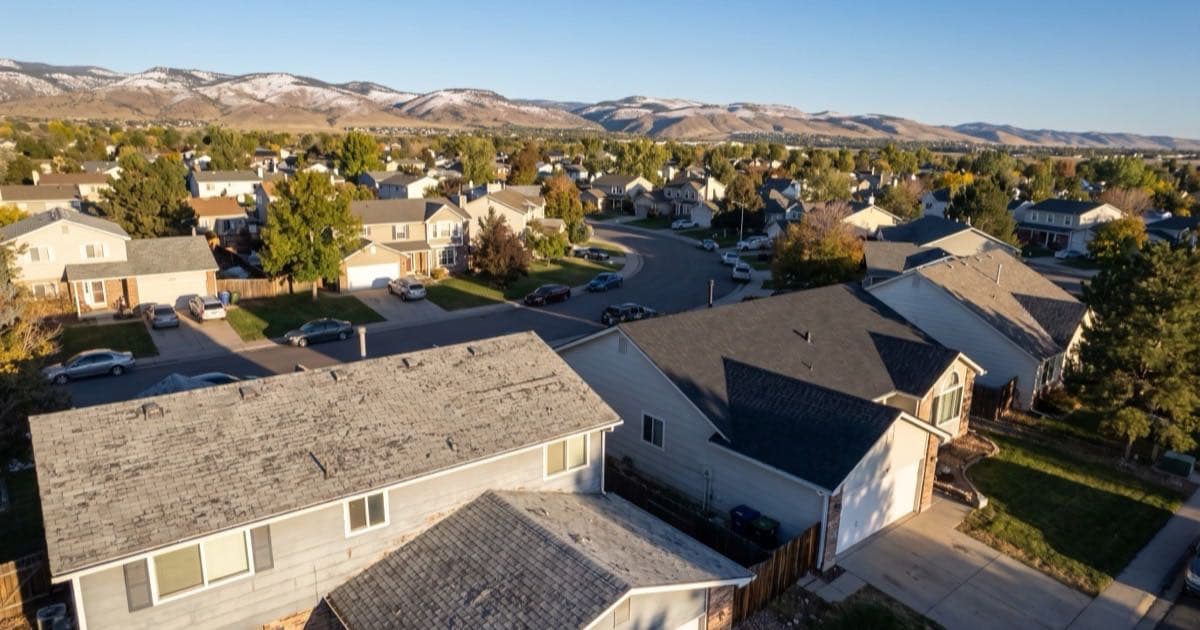
- Denver Metro and Front Range (Denver, Aurora, Lakewood, Castle Rock, Parker, Boulder, Thornton, Centennial): the most competitive market in the state with a large number of contractors, but also the highest post-storm demand spikes. After a major hail event, scheduling stretches out and prices firm up across the corridor.
- Western Slope (Grand Junction, Fruita, Palisade, Clifton, Montrose): generally lower hail frequency than the Front Range, which can mean fewer storm-driven claims, but the same altitude-and-UV durability requirements apply.
- Foothills and higher elevations: steeper pitches, harder site access, and snow-load considerations can push labor cost up, and some homes use heavier materials like tile that require structural verification.
Across all of these, the cost drivers are the same: size, pitch, material, decking condition, and complexity. Geography mostly affects demand timing and access rather than the base per-square price.
Getting an Accurate Number
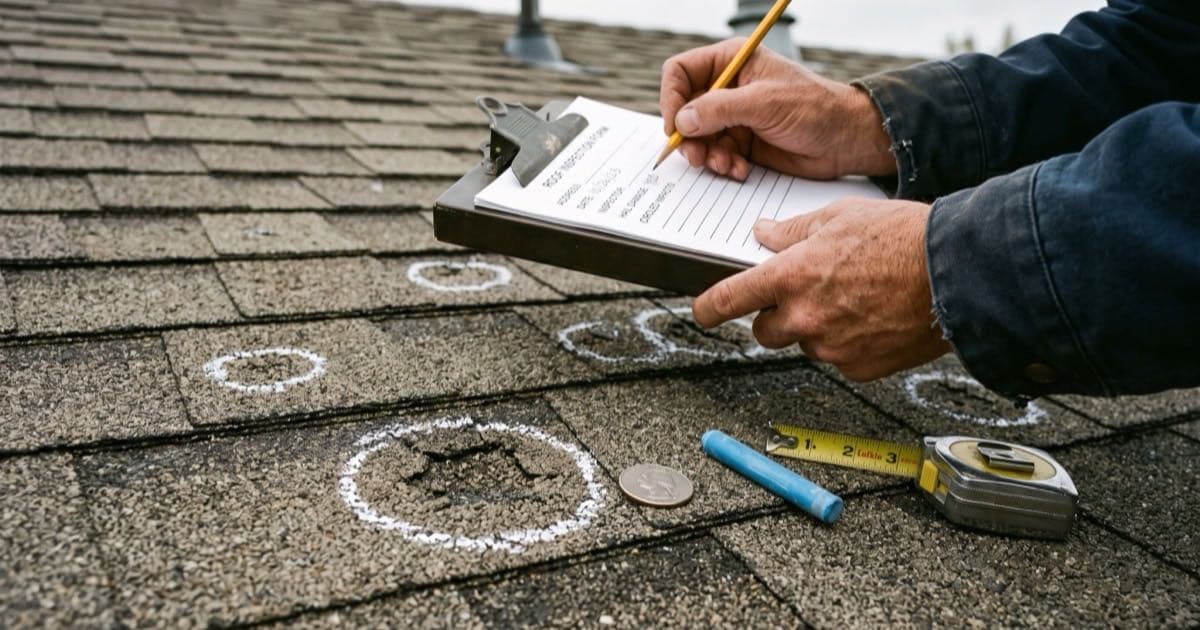
Online calculators get you a planning range. An itemized, on-roof estimate gets you a real price, because it accounts for your exact pitch, square count, penetrations, decking condition, and material choice. When you compare proposals, confirm each one includes tear-off, disposal, underlayment, flashing, drip edge, starter strip, ventilation, a written decking allowance, and the permit, so you are comparing complete systems and not just a headline number.
Commercial Roofing Contractor handles residential roof replacement and commercial roof replacement across Colorado and manages the insurance claim when storm damage is involved. As a GAF Certified Plus, TAMKO Pro Platinum, and Malarkey Certified contractor, we can also qualify your new roof for extended manufacturer warranty tiers above the base coverage. You can review our certifications and credentials for the full list. Our Denver office serves the Denver Metro and Front Range, and our Grand Junction office serves the Western Slope.
Frequently Asked Questions
How much does it cost to replace a roof on a 2,000 square foot house in Colorado?
For a roughly 2,000-square-foot roof of architectural asphalt shingles with tear-off, plan on about $10,500 to $16,000 in 2026. Steeper pitch, complex geometry, decking repair, or a premium material push toward the higher end.
What is the cost per square foot to replace a roof in Colorado?
Architectural asphalt shingle replacement commonly runs about $4.50 to $7.00 per square foot installed in 2026. Standing seam metal runs roughly $9.00 to $16.00 or more, and tile typically exceeds $20.00.
Why is roofing more expensive in Colorado than the national average?
High demand for skilled storm-repair labor, altitude and climate-driven code requirements, and material costs all push Colorado pricing above the national baseline. Cost guides often cite a local index well above the national average.
Will insurance pay for my roof replacement?
If your roof has covered hail or wind damage and you carry Replacement Cost Value coverage, the insurer generally pays the replacement cost minus your deductible, so your out-of-pocket cost is often just the deductible. Actual Cash Value policies pay less because they subtract depreciation.
How long does a roof replacement take?
Most asphalt shingle replacements finish in one to two days, weather permitting. Metal systems take longer, often three to five days, because installation is more specialized.
What is the best time of year to replace a roof in Colorado?
Late spring through early fall (roughly May to October) is generally ideal, avoiding deep winter snow. After a major hail event, expect higher demand and longer scheduling windows.
Do I need a permit to replace my roof in Colorado?
Most jurisdictions require a roofing permit, and the fee is part of the project cost. Confirm permit and inspection responsibilities with your contractor before signing.
Talk to the team nearest you: our Denver office, our Grand Junction office, or our Scottsbluff office.